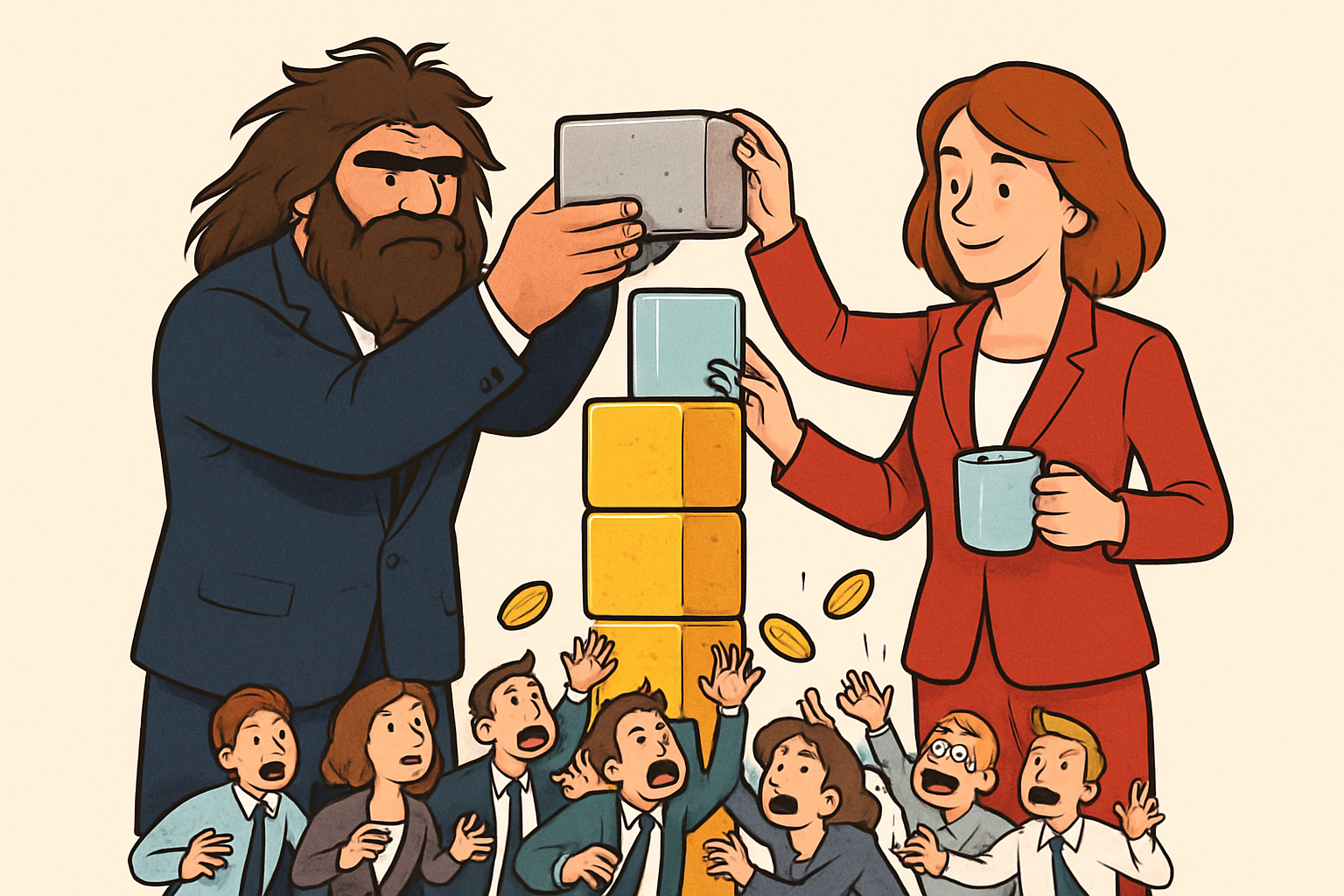
The $47,000 Question That Changes Everything
Marcus — 29, software developer in Seattle — stared at his savings account balance: $47,000. Three years of careful saving, living below his means, tracking every expense. He felt proud. He felt responsible. He felt like he was finally getting ahead.
Two weeks later, Marcus got laid off.
That $47,000 lasted exactly 8 months. Eight months of rent, groceries, car payments, and health insurance. Eight months of watching his “wealth” drain away, dollar by dollar, until he was back to zero. Back to scrambling for interviews. Back to the beginning.
Marcus had confused money with capital. And that confusion cost him everything.
I Made the Same Mistake for Years
I used to think like Marcus. Bank account goes up = wealth goes up. Simple math, right?
I remember sitting in my apartment in 2019, looking at my own savings account — $23,000 that had taken me two years to accumulate. I felt successful. I felt secure. I thought I understood money.
Then my landlord raised my rent by $400 a month.
That’s when it hit me. My $23,000 wasn’t capital. It was just stored labor — the leftovers from my time that I’d already sold. The rent increase meant I’d send an extra $4,800 per year to someone else. Someone who owned something I needed.
My landlord had capital. I had savings.
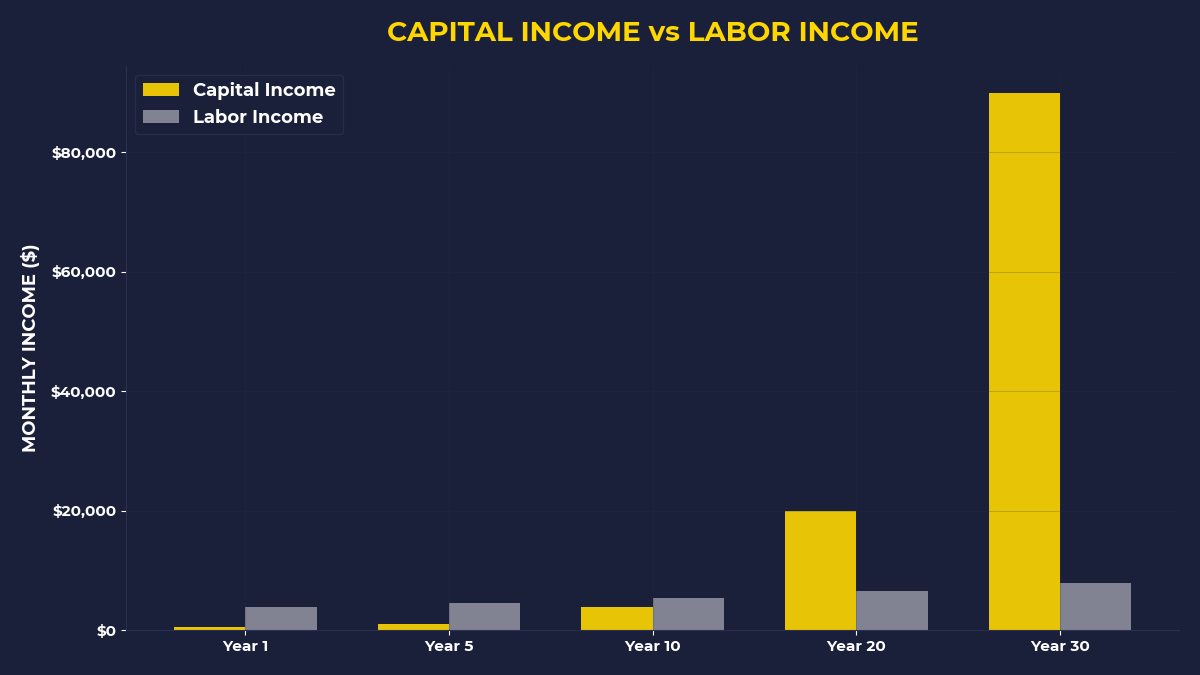
Here’s the thing most people never realize: capital isn’t money. Capital is stored demand.
What Capital Actually Is (And Why It Changes Everything)
Think about your monthly bills for a second. Rent: $1,800. Car payment: $450. Netflix: $15. Groceries: $600. Insurance: $200. Coffee shop visits: $80.
Every single one of those payments flows to someone who owns something you need or want.
Your landlord owns the apartment you need. The bank owns the loan on the car you drive. Netflix owns the content you consume. The grocery store owns the distribution system for food. The insurance company owns the risk management you can’t live without. The coffee shop owns the convenient caffeine delivery system you rely on.
They all own pieces of stored demand. When you need what they own, cash flows their direction.
That’s capital.
Not money sitting in a bank account. Not even stocks or real estate, necessarily. Capital is anything that stores demand — anything people will keep paying for because they need it or want it.
Why Your Savings Account Isn’t Capital
Your savings account doesn’t generate demand. Nobody needs your $47,000. Nobody pays you for access to it. It just sits there, slowly losing value to inflation while you pay other people for the things they own that you actually need.
Real capital generates cash flow because it stores something people want.
The apartment building generates rent because people need places to live. The profitable business generates income because people need the product or service. The dividend-paying stock generates payments because the company owns something people demand.
Even something as simple as a famous singer’s popularity is capital. People demand their music, their concerts, their brand. That demand converts to cash flow — sometimes for decades.
Why do mediocre actors make millions while brilliant teachers make $45,000? Because the actor captured stored demand. Millions of people want to watch them on screen. The teacher, despite being more skilled and working harder, doesn’t own the demand storage system.
The actor has capital. The teacher has a job.
The Golf Ball Lesson That Changed Warren Buffett’s Life
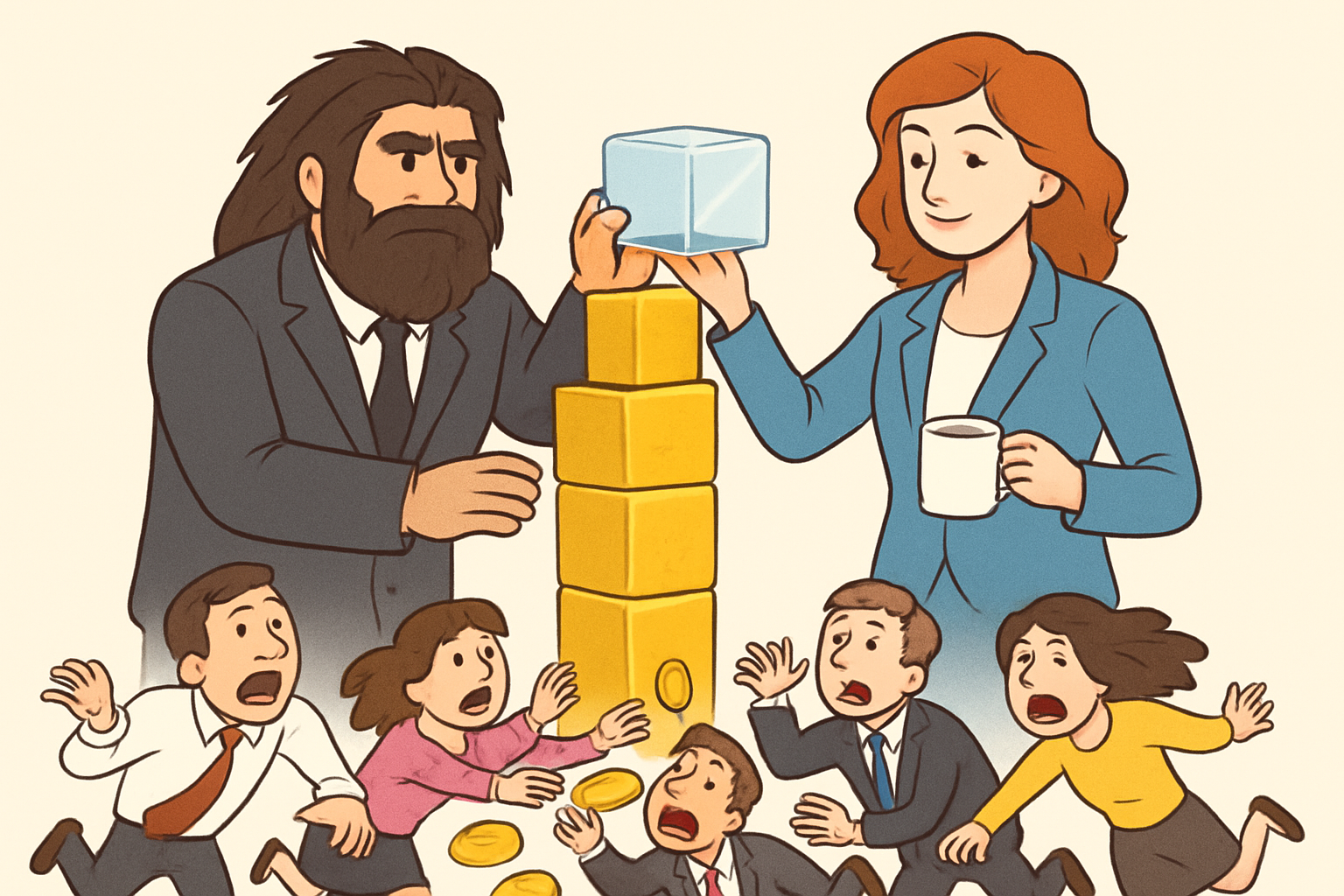
Warren Buffett learned this principle when he was 11 years old, selling lost golf balls he’d collected from local courses. He’d find balls in the woods and water hazards, clean them up, and sell them for 6 cents each — about $1.10 in today’s money.
But here’s the part most people miss: Buffett didn’t just work harder to find more golf balls. He recognized that golfers would keep losing balls, which meant demand would continue. So he took his profits and bought more assets that captured that ongoing demand.
Later, he used those same profits to buy a used pinball machine and put it in a barbershop. The machine generated quarters without Buffett being there. Then he bought another machine. Then another.
Each purchase captured a piece of stored demand. People wanted entertainment while waiting for haircuts. The machines owned that demand and converted it to cash flow.
This is how capital actually works. You don’t just earn money — you buy things that store ongoing demand.
Why 97% of People Never Own Real Capital
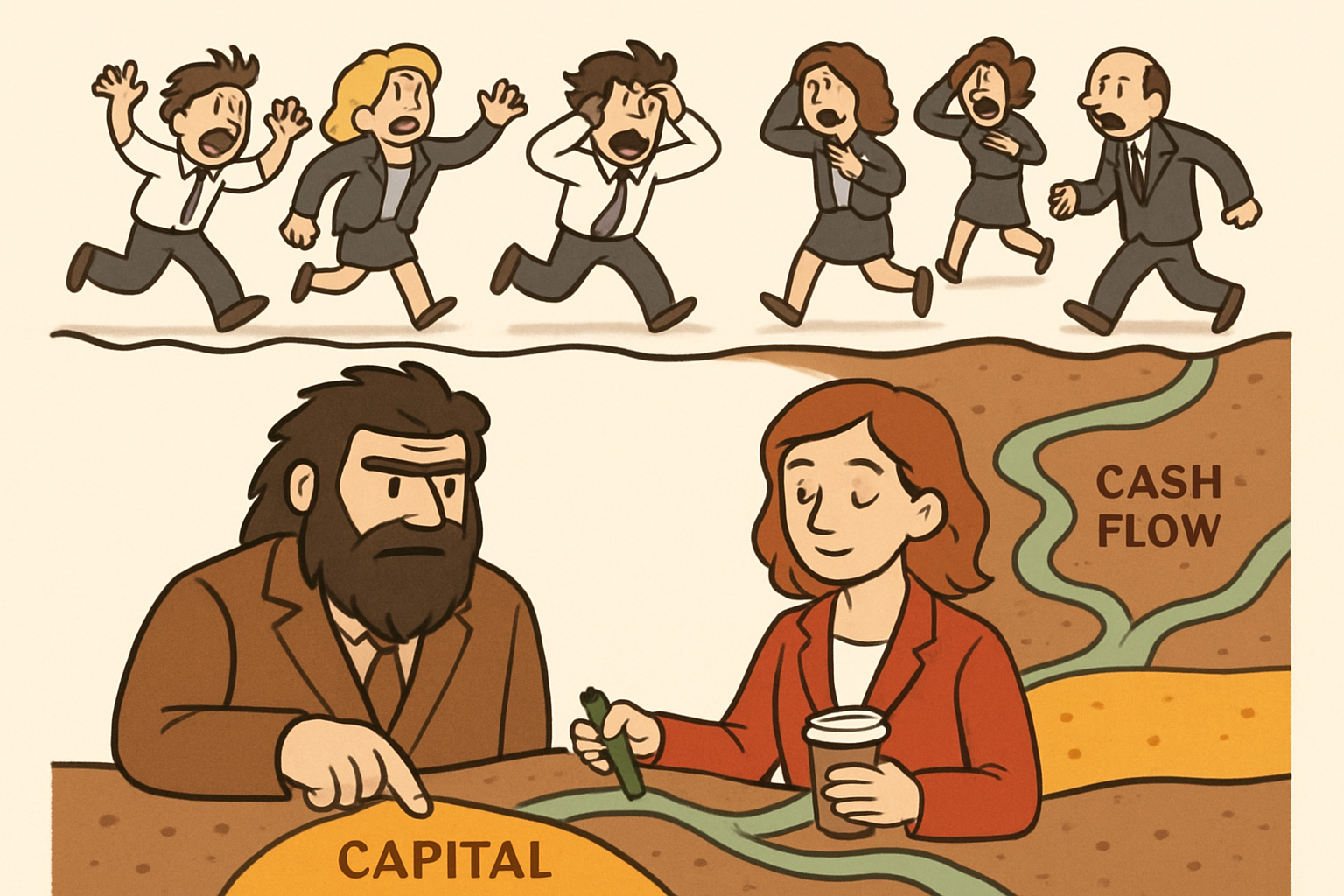
Most people ask the wrong question. They ask: “How do I make more money?” The right question is: “What should I buy that stores demand?”
Think about Marcus again. He saved $47,000 by being disciplined with his spending. But he never asked what he should buy with that money to capture ongoing demand. He just let it sit in savings, generating 0.5% interest while paying rent to someone who owned the demand storage system he needed.
Here’s what Marcus could have done instead: taken $40,000 of that savings and put it toward a down payment on a duplex. Live in one side, rent out the other. Now he owns something that stores housing demand. The tenant pays his mortgage. In five years, Marcus owns an asset worth $300,000+ instead of having $0 in savings.
Or he could have bought dividend-paying stocks in companies that own demand storage systems. Utilities that people need. Consumer goods companies that own brands people buy repeatedly. Real estate investment trusts that own properties people rent.
The key is buying pieces of things that store ongoing demand.
The Question That Separates Owners From Workers
When you get your next paycheck, before you pay any bills, ask yourself: “What can I buy this month that stores demand?”
Maybe it’s $200 worth of stock in a company that owns something people need. Maybe it’s materials to start a side business that solves a recurring problem. Maybe it’s a small rental property in a growing area.
The amount doesn’t matter as much as the habit. Every month, buy something that captures demand before you pay everyone else.
I started doing this in 2020. Every month, before I paid rent or groceries or anything else, I moved $500 into my brokerage account and bought stock in companies that own demand storage systems. Technology companies that own platforms people use daily. Consumer companies that own brands people buy repeatedly. Real estate companies that own properties people rent.
Three years later, those companies pay me dividends every quarter. The stocks have grown in value. Most importantly, I own pieces of the demand storage systems instead of just paying into them.
I still pay rent. But now my landlord isn’t the only one collecting cash from stored demand.
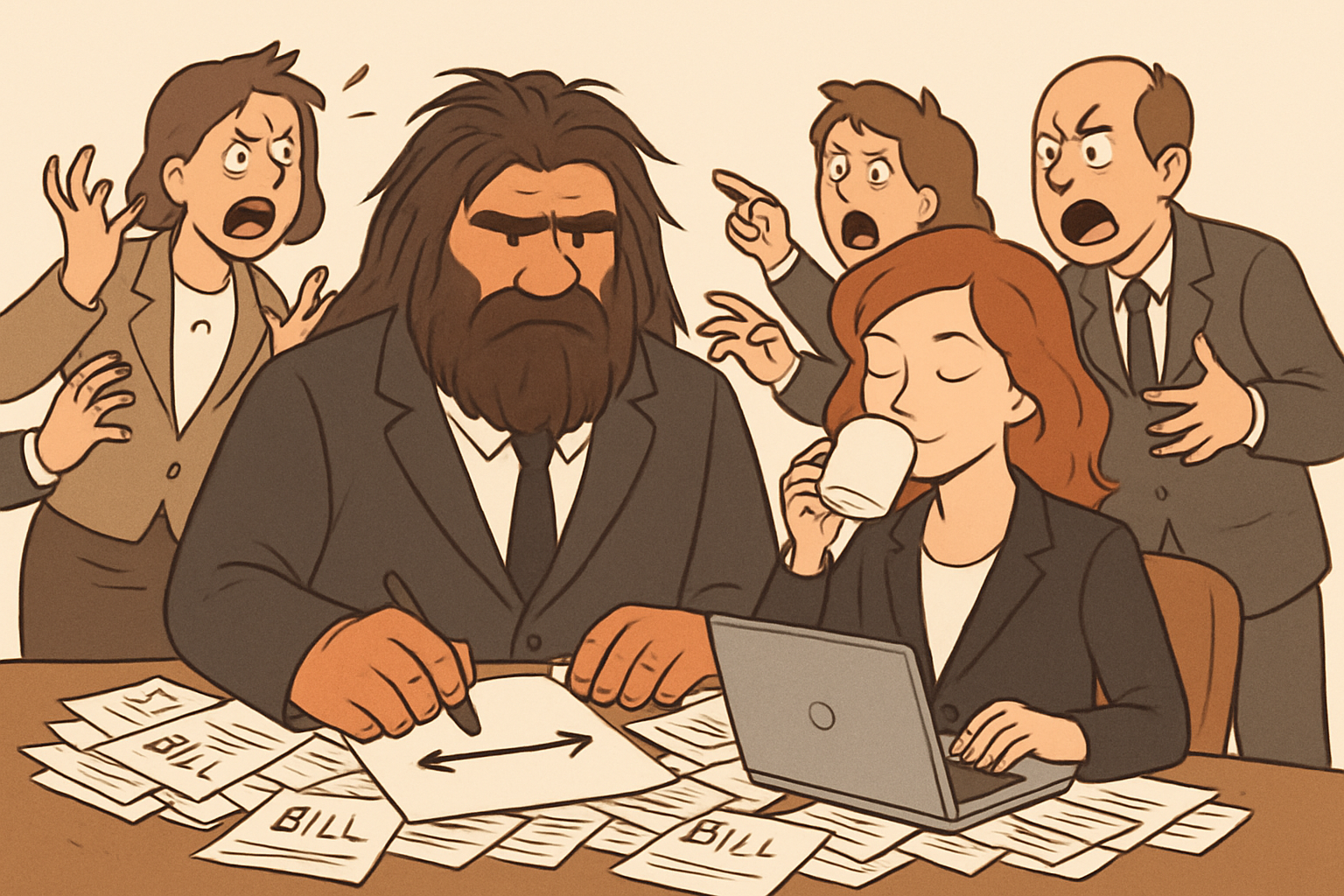
If You Want To Stop Being Marcus
If you’re someone who has been saving money but watching it disappear during tough times… if you’re tired of paying everyone else for the things they own while building nothing for yourself… if you want to switch from being the person who pays capital owners to being the person who gets paid…
The shift starts with understanding what capital actually is.
The One Thing To Remember
Capital isn’t money in your savings account. Capital is stored demand that generates ongoing cash flow. Every bill you pay flows to someone who owns a piece of stored demand. Your job is to start owning those pieces instead of just paying for them. The question isn’t “How do I save more money?” The question is “What should I buy that stores demand?”
- Before you pay any bills this month, move money into investments that own demand storage systems (dividend stocks, REITs, profitable businesses)
- Look at your three biggest monthly expenses and research companies that own those demand storage systems — then buy their stock
- Ask “What should I buy?” instead of “What should I do?” every time you want to build wealth
🎬 Prefer watching? Check out the video version on YouTube:
👉 https://www.youtube.com/@PrimalContrarian
Subscribe for daily insights on capital, wealth, and contrarian thinking.