Marcus — 29, software engineer in Denver — called me last Tuesday at 11 PM. “I did it again,” he said. “I sold everything.”
The market had dropped 8% that day. Marcus watched his portfolio shrink by $14,000 in six hours and panicked. He liquidated his entire position — $127,000 worth of index funds he’d been building for three years. This was the third time he’d done this since 2020.
“I know I’m supposed to buy low and sell high,” he told me. “But when it’s actually happening, my brain just…” He trailed off. I knew exactly what he meant because I’d been there too. We all have.
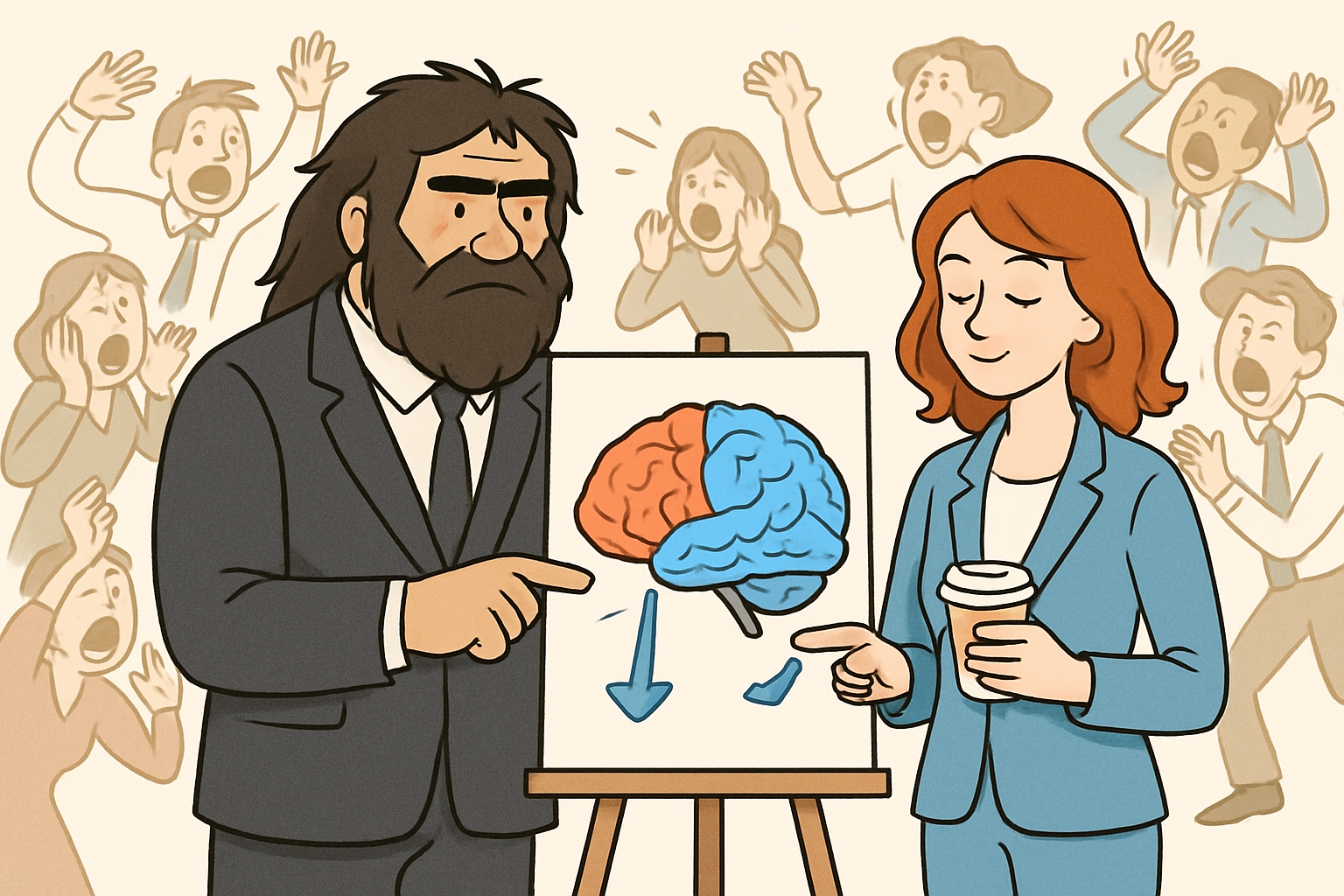
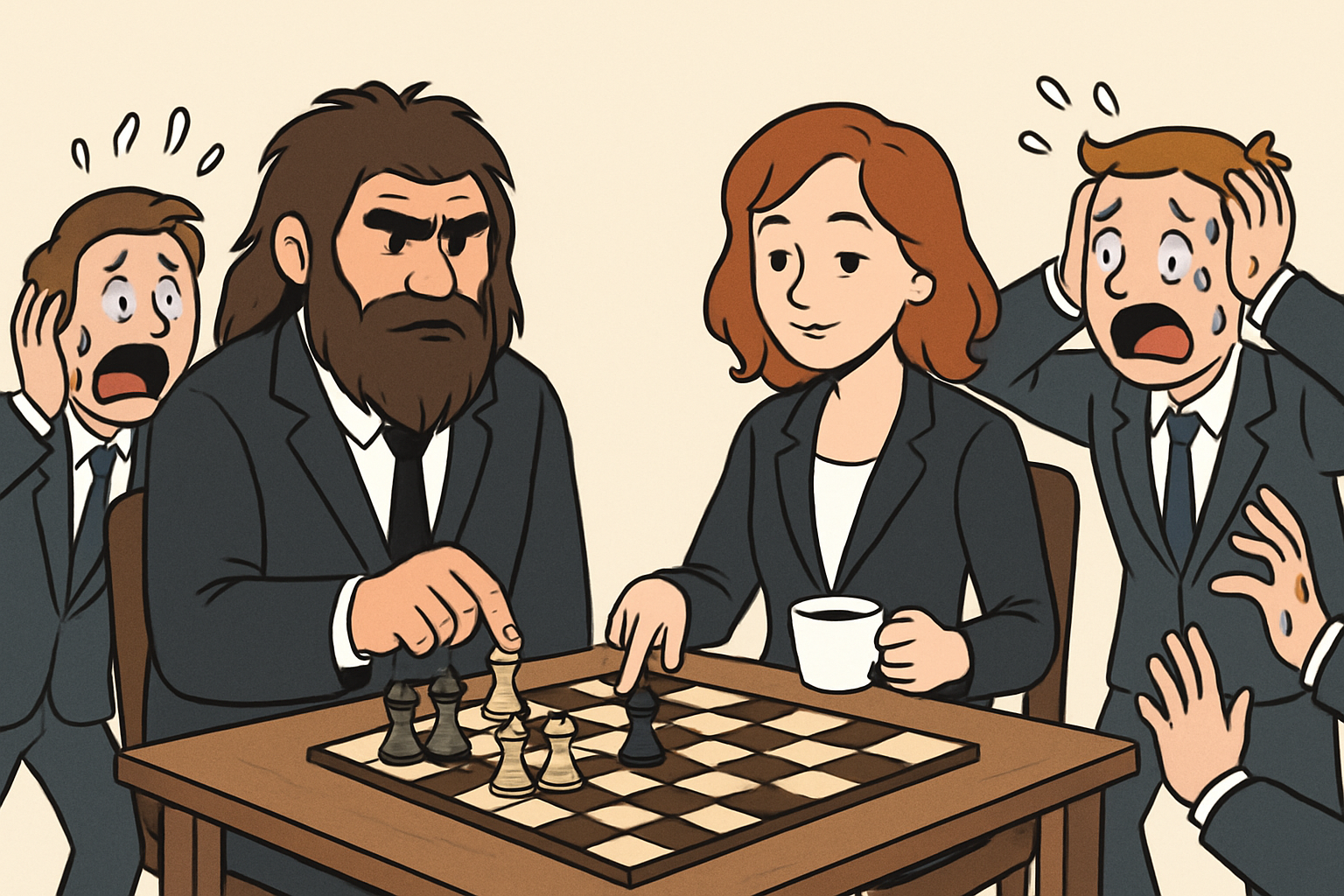
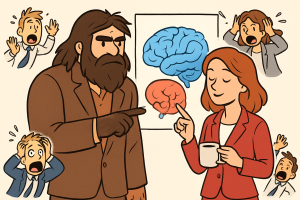
Marcus’s brain wasn’t broken. It was working perfectly — for surviving on the African savannah 50,000 years ago. But those same survival instincts that kept our ancestors alive are systematically destroying our financial futures today.
I Used to Think I Was Rational About Money
When I first started investing, I thought I was different. I’d read about behavioral finance patterns in college. I knew about loss aversion and herd mentality. I figured knowing about these cognitive biases would protect me from them.
I was wrong.
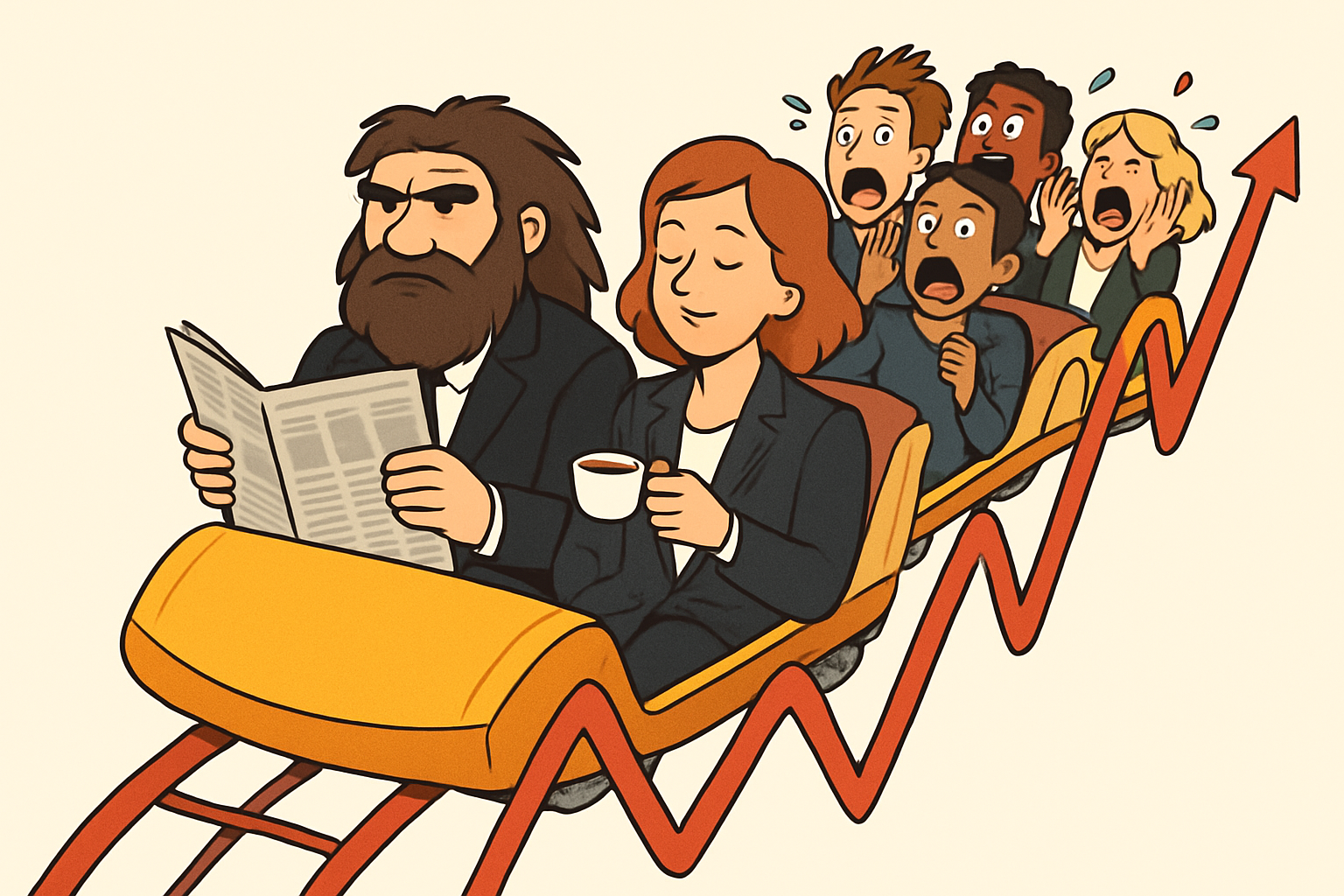
March 2020 taught me that knowing about a trap and avoiding it are two completely different things. I watched my portfolio drop 35% in three weeks. Every morning, I’d check my brokerage app and feel physically sick. My rational brain knew this was temporary. My lizard brain was screaming “DANGER! ESCAPE! NOW!”
On March 23rd, I almost sold everything. I had the order typed up. My finger was hovering over “Execute Trade” when my phone rang. It was my friend David — the same guy who’d taught me about compound interest five years earlier. He asked what I was doing. I told him.
“You’re about to pay tuition to the most expensive university in the world,” he said. “The School of Emotional Investing. And you’re not going to like the education you get.”
I didn’t sell. But it wasn’t because I was smart or disciplined. It was because David helped me recognize what was happening inside my skull.
Your Brain Is Running Ancient Software
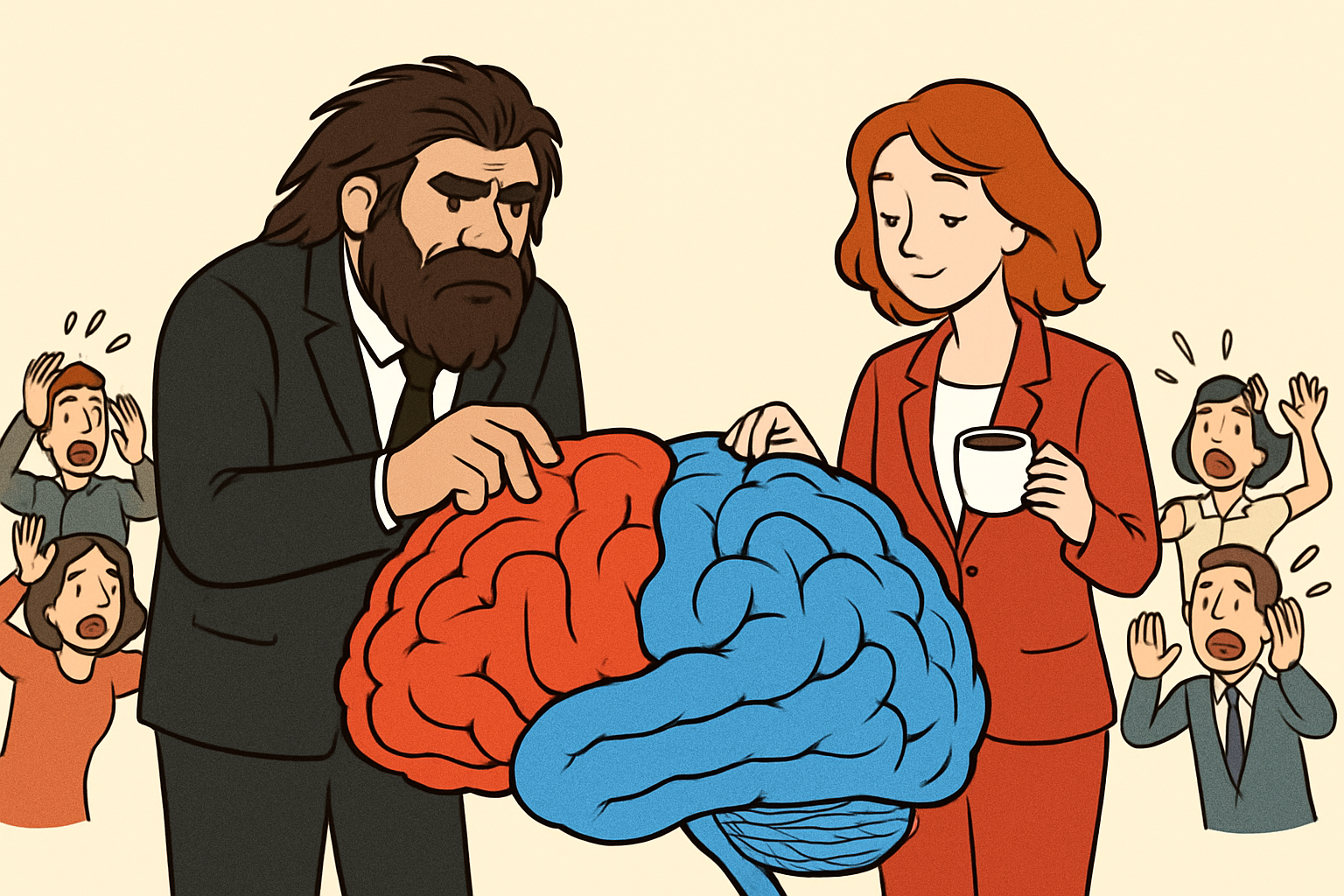
Here’s what nobody tells you about behavioral finance: your brain is running 50,000-year-old software on 21st-century problems.
When Marcus saw his portfolio drop $14,000, his amygdala — the almond-shaped fear center in his brain — lit up like a Christmas tree. It released a flood of cortisol and adrenaline. His heart rate spiked to 120 beats per minute. His palms got sweaty. His breathing got shallow.
This is the exact same biological response his ancestors had when they spotted a saber-tooth tiger. The message was clear: immediate threat detected. Escape. Now.
But there was no tiger. There was just numbers on a screen changing color from green to red. Marcus’s ancient brain couldn’t tell the difference.
Think about that. The same neural pathways that helped humans survive for millennia are now sabotaging their retirement accounts.
Loss aversion kicks in. We feel the pain of losing $100 twice as intensely as the pleasure of gaining $100. Herding instincts activate. When everyone else is selling, our brains scream “Follow the tribe or get eaten!” Recency bias takes over. We assume whatever happened yesterday will happen tomorrow.
These aren’t character flaws. They’re features, not bugs. But they’re features designed for a world that no longer exists.
The $47,000 Question Every Investor Faces
Let me ask you something. When was the last time you made a major financial decision — buying a house, choosing investments, switching jobs — without feeling anxious?
That anxiety isn’t random. It’s your brain trying to protect you from uncertainty. But here’s the problem: building capital requires embracing uncertainty. Every dollar you invest today is a bet that the future will be different from the present. Your brain hates that bet.
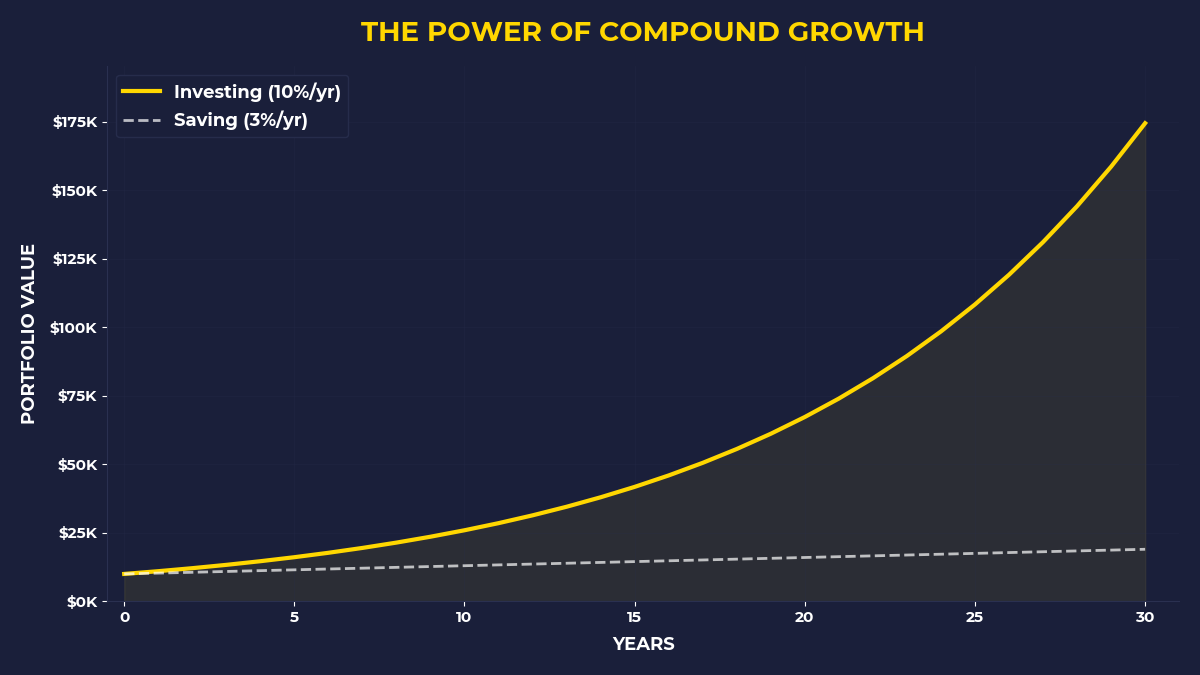
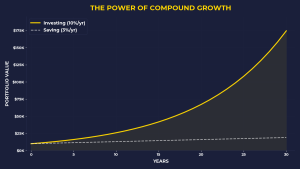
Consider this: the S&P 500 has averaged 10.5% annual returns over the past 50 years. But the average investor has earned only 3.1% during that same period. The $47,000 gap between these numbers — per $100,000 invested — represents the cost of letting your emotions drive your decisions.
That gap is behavioral finance in action. It’s the price we pay for being human.
The most expensive cognitive bias? Timing the market. Studies show that investors who try to buy low and sell high — the most logical strategy on paper — consistently underperform investors who just buy and hold. Why? Because humans are terrible at predicting their own emotional reactions to future events.
What I Learned From My Worst Investment Decision
I once owned shares of a company that I’d researched for months. I understood their business model. I liked their competitive advantages. I believed in their long-term prospects.
Then they missed earnings by 3 cents per share. The stock dropped 12% in one day.
I sold immediately. Not because the fundamentals had changed — they hadn’t. Not because my thesis was wrong — it wasn’t. I sold because watching my account balance drop felt like getting punched in the stomach, and I wanted the pain to stop.
Six months later, the stock was up 40%. My “smart” decision to cut losses had cost me $8,000.
Here’s what I learned: your brain will always choose immediate relief over long-term wealth. Always. It’s not designed to optimize for outcomes 10 or 20 years in the future. It’s designed to keep you alive for the next 10 or 20 minutes.
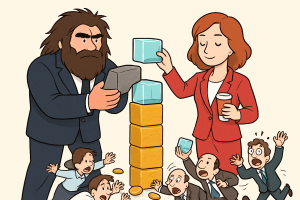
The solution isn’t to fight your brain. It’s to design systems that work with your brain instead of against it.
The One Thing Rich People Do Differently
Warren Buffett has a rule: “Be fearful when others are greedy, and greedy when others are fearful.” Easy to say. Impossible to do if you’re listening to your emotions.
But here’s what Buffett actually does differently. He doesn’t rely on willpower. He relies on systems.
Automatic investing removes emotion from the equation. When Marcus sets up a recurring $1,000 monthly transfer to his brokerage account, he’s not making 12 emotional decisions per year. He’s making one logical decision and automating it.
Asset allocation does the same thing. Instead of deciding whether to buy stocks or bonds each month, you decide once: “I want 80% stocks, 20% bonds.” Then you rebalance quarterly. No emotions required.
Dollar-cost averaging turns market volatility into an advantage. When prices drop, your fixed monthly investment buys more shares. When prices rise, it buys fewer. Your brain doesn’t have to time anything.
The richest people I know aren’t smarter than everyone else. They’re just better at protecting themselves from their own behavioral finance patterns.
If You Always Panic During Market Crashes, Try This
Here’s a simple exercise that changed everything for me.
Next time you feel the urge to sell during a market downturn, set a timer for 24 hours. Don’t make any trades until the timer goes off. During those 24 hours, write down exactly what you’re feeling and why you want to sell.
Be specific. “I’m scared” isn’t enough. Write “I’m scared because my portfolio is down $12,000 and I’m worried it will go to zero and I won’t be able to retire.”
Now ask yourself: has anything fundamentally changed about the companies you own? Are people going to stop buying Apple phones because the stock market had a bad week? Will Microsoft disappear because the Nasdaq dropped 3%?
Usually, the answer is no. The fear you’re feeling isn’t based on new information about the future. It’s based on old programming from your brain.
I’ve used this 24-hour rule six times in the past four years. I’ve never made the trade after the timer went off. Not once.
The One Thing To Remember
Your brain is not your ally when it comes to building wealth. It’s a well-meaning friend giving you advice about problems it doesn’t understand. The same cognitive biases that kept your ancestors alive are systematically keeping you poor. The solution isn’t to become more rational — it’s to become more systematic. Rich people don’t have better brains; they have better systems that protect them from their brains.
Here’s what to do right now:
• Set up automatic investing for at least 10% of your income. Make it happen before you see the money.
• Write down your investment thesis for each position you own. When you want to sell, re-read it first.
• Implement the 24-hour rule for any emotional financial decision over $1,000.
🎬 Prefer watching? Check out the video version on YouTube: