Marcus — 29, software engineer in Seattle — sold everything in March 2020.
He watched his portfolio drop 23% in two weeks. The news showed empty grocery stores and field hospitals. His girlfriend lost her restaurant job. His brain screamed: “Get out before it gets worse.”
So he did. He liquidated his entire 401k, paid the penalties, and stuffed the cash into a savings account earning 0.1%. He felt relief for exactly three days.
By December, the market had recovered and hit new highs. Marcus calculated what he would have had if he’d just turned off his phone and ignored the chaos. The number made him sick: $127,000 more than what he actually had.
Here’s the thing. Marcus wasn’t stupid. He had a computer science degree from a top university. He could debug complex code and architect systems that handled millions of users. But when it came to money, his stone-age brain took over completely.
I Know Because I’ve Been the Idiot Too
I once panic-sold my best position because I read a scary headline about trade wars. This was 2018. The stock was Microsoft.
I had owned Microsoft for three years. I knew the business model. I knew their competitive advantages. I knew they were transitioning to cloud services and dominating. But I saw “TRADE WAR COULD CRUSH TECH STOCKS” on some financial blog and my brain went haywire.
Sold 400 shares at $98. Microsoft closed 2021 at $331.
That single decision cost me around $93,000. Not because I lacked information. Because I let my wiring override my logic.
Most people I talk to about this get uncomfortable. I get it. Nobody wants to admit their brain is working against them. But here’s what I learned: recognizing your own behavioral finance mistakes isn’t about being smarter. It’s about being honest.
Your brain is literally programmed to keep you poor.
Why Your Ancient Code Sabotages Modern Wealth
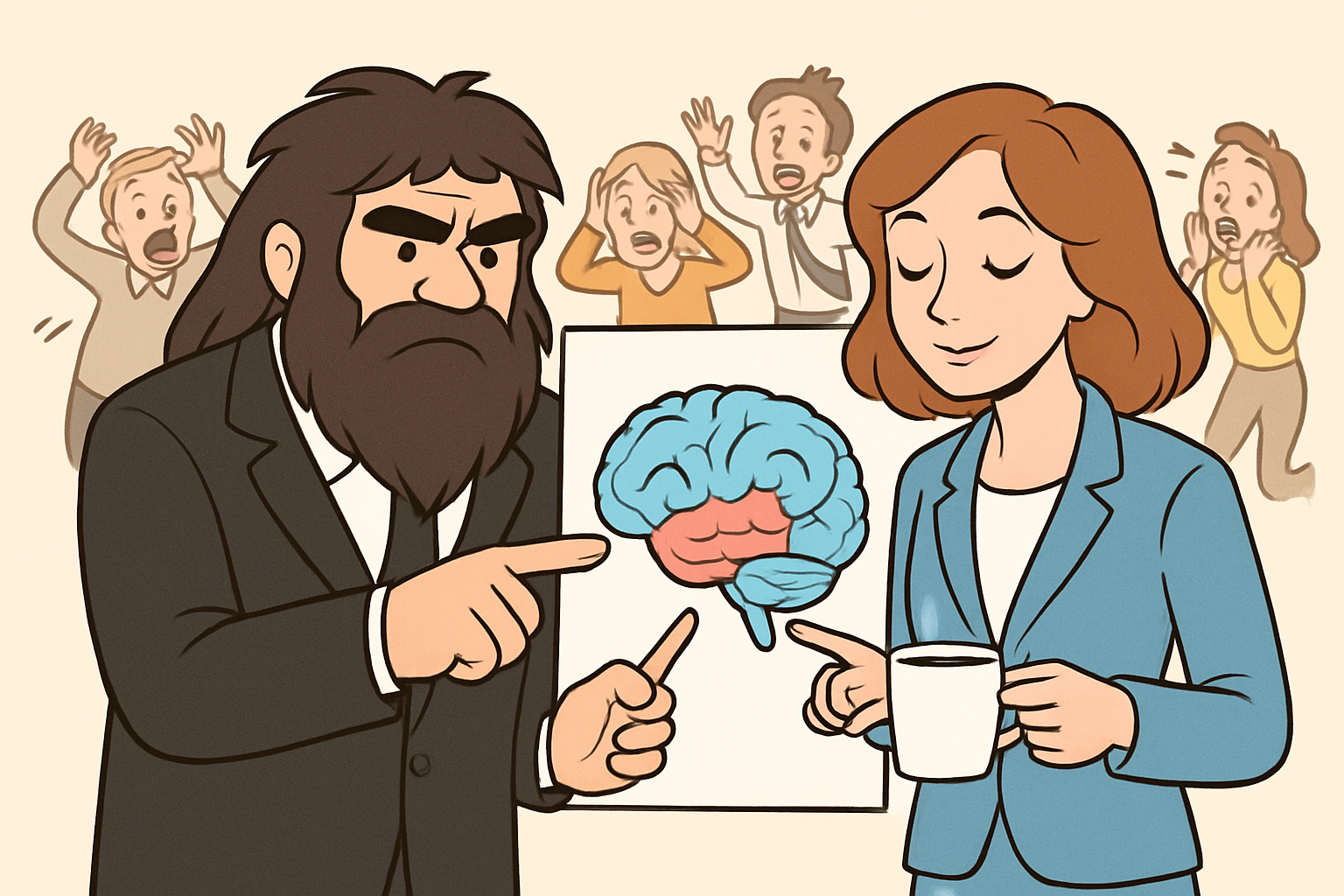
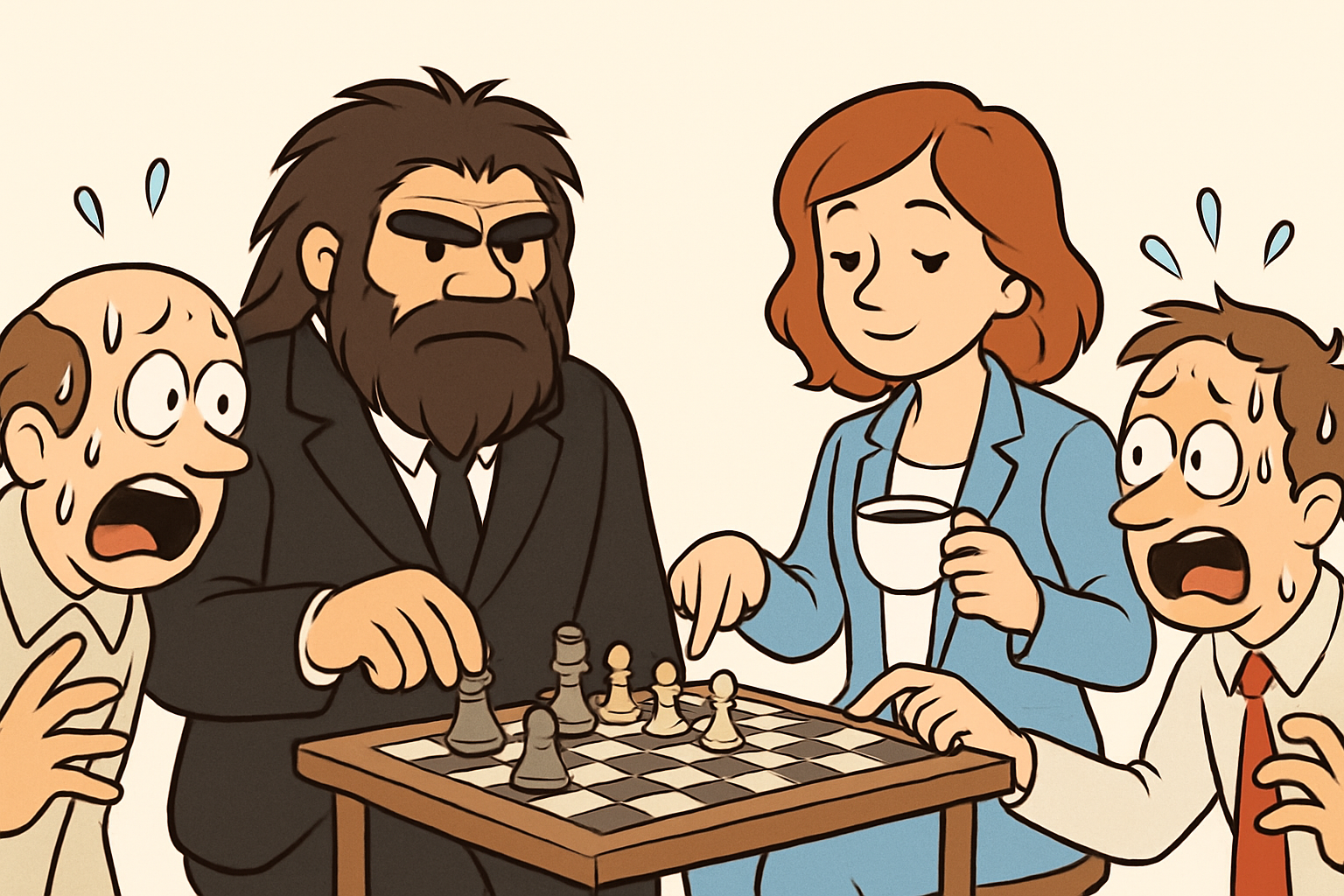
Think about this for a second. Your brain evolved over 300,000 years to keep you alive on the African savannah. It’s optimized for immediate threats, scarce resources, and short-term survival.
But building wealth requires the exact opposite behaviors:
• Ignoring immediate threats (market crashes)
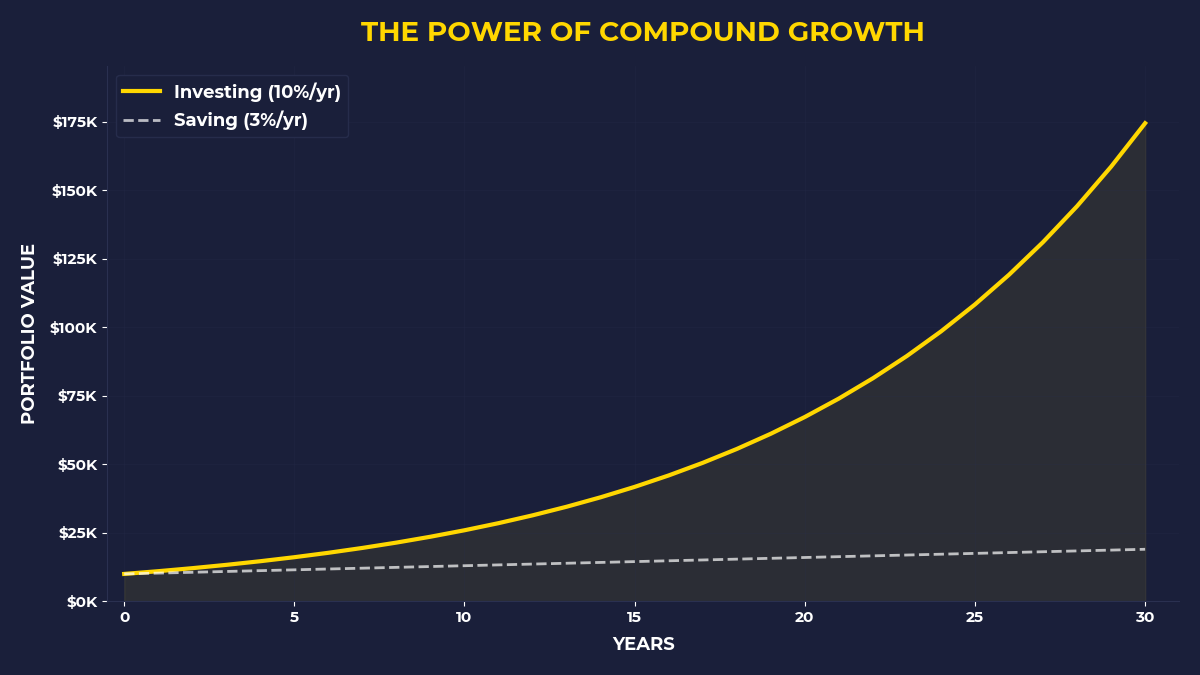
• Embracing abundance thinking (compound growth)
• Making long-term decisions (holding for decades)
Your amygdala doesn’t know the difference between a saber-tooth tiger and a red trading screen. Both trigger the same fight-or-flight response that kept your ancestors alive but keeps you broke.
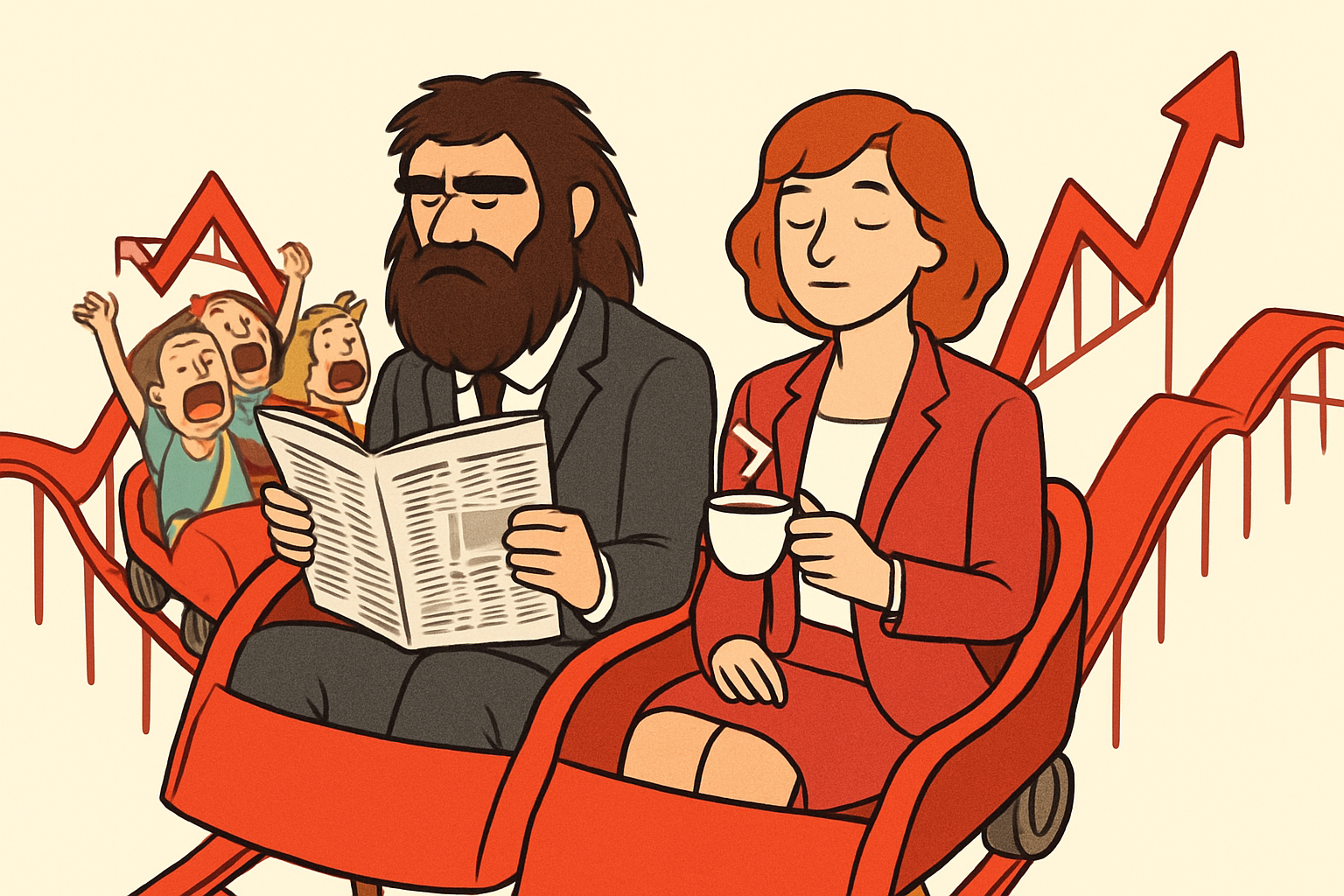
When Marcus saw his portfolio dropping, his brain wasn’t thinking about 2030. It was thinking about tonight. About safety. About avoiding pain right now.
The psychology of investing errors isn’t a character flaw. It’s a feature, not a bug, of human survival programming.
The One Pattern That Reveals Everything
Here’s what I noticed after watching hundreds of smart people make the same mistakes:
They all asked the same question at the worst possible times: “What should I do?”
Marcus asked this question when his portfolio was down 23%. I asked it when I saw that trade war headline. Every broke person asks it when they’re scared, emotional, and desperate for someone else to make the decision.
But successful investors — the ones who actually build capital — ask a different question entirely: “What should I buy?”
Warren Buffett wasn’t asking “What should I do?” in March 2020. He was asking “What should I buy?” and deployed $51 billion while everyone else was panic-selling.
The question shift changes everything. “What should I do?” focuses on your emotions, your fears, your need for immediate relief. “What should I buy?” focuses on opportunity, assets, and long-term value.
Why Smart People Stay Trapped
You know what’s wild? The smartest people often make the worst financial decisions.
I know a surgeon who day-trades during breaks between operations. A lawyer who checks his crypto portfolio 47 times per day. An engineer who panic-sold everything in 2008 and again in 2020.
Their intelligence works against them. They overthink. They try to time markets. They believe they can outsmart systems designed by teams of PhDs with supercomputers.
But brain wiring and financial choices don’t care about your IQ. Evolution doesn’t discriminate. We all carry the same survival programming that makes us buy high and sell low.
The difference? Some people recognize their wiring. Most don’t.
What Recognition Actually Looks Like
Let me be honest. I still feel the urge to panic when markets drop. My heart rate still spikes when I see red numbers. The difference is I’ve learned to recognize what’s happening.
Last March, when banks started failing and everyone was freaking out about systemic collapse, I felt that familiar tightness in my chest. The voice in my head saying “Maybe this time is different. Maybe you should sell everything.”
But instead of asking “What should I do?” I asked “What should I buy?”
I bought more bank stocks. Not because I’m smarter than everyone else. Because I’ve learned to recognize my own patterns.
Recognition isn’t about eliminating the emotions. It’s about acting despite them.
The Capital Question That Changes Everything
Here’s the reframe that saved me from making Marcus’s mistake again:
Every time you panic-sell, you’re transferring your future wealth to someone who’s asking the right question.
When you sold Microsoft in 2020, someone else bought it. When you panic-sold your index funds, someone else accumulated them. When you moved to cash because you were scared, someone else deployed that cash into assets.
Capital doesn’t disappear during crashes. It changes hands.
From people asking “What should I do?” to people asking “What should I buy?”
From people reacting with their emotions to people responding with their strategy.
From people focused on avoiding pain to people focused on acquiring demand.
If You’re Someone Who Recognizes This Pattern
If you’re someone who’s made Marcus’s mistake — who’s panic-sold at the bottom, who’s moved to cash when you should have bought more, who’s let fear override your long-term plan — you’re not broken.
You’re human. And humans can learn new patterns.
The people who build real capital aren’t the ones with perfect emotional control. They’re the ones who’ve learned to recognize their own behavioral finance mistakes and act anyway.
They feel the fear and buy more shares. They see the red numbers and increase their monthly contributions. They recognize the ancient programming and choose the modern response.
The One Thing To Remember
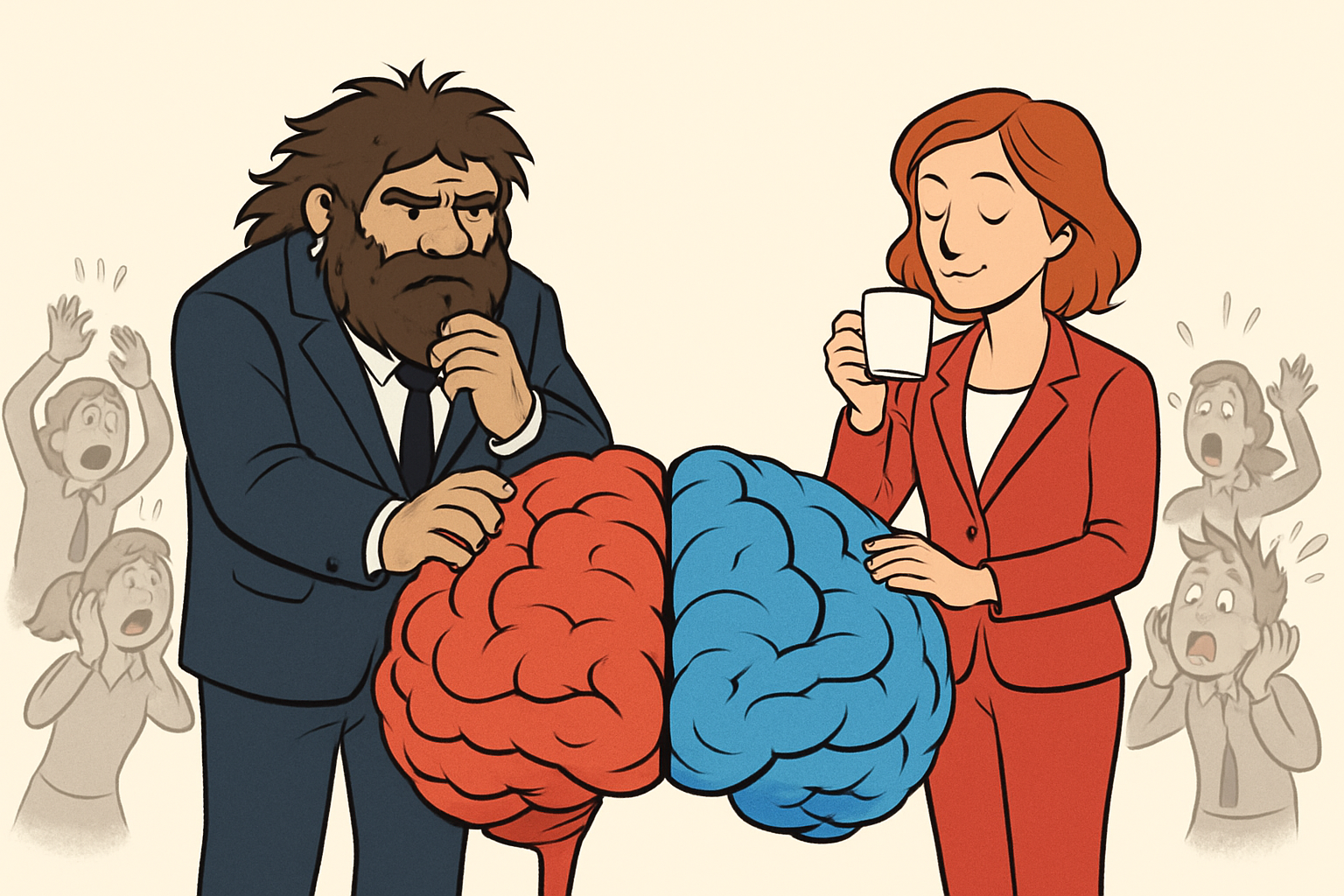
Your brain is wired to keep you alive, not to make you wealthy. These are often opposite goals. The same instincts that helped your ancestors survive will keep you poor if you let them run your financial decisions. But once you recognize this programming, you can override it. Every market crash is a transfer of wealth from people who ask “What should I do?” to people who ask “What should I buy?”
• Next time your portfolio drops 20%, write down the question you’re asking yourself. If it’s “What should I do?” pause and reframe: “What should I buy?”
• Set up automatic investments so your emotional brain can’t sabotage your wealth-building when markets crash.
• Remember: capital flows from the panicked to the patient, from the reactive to the strategic, from the scared to the prepared.
🎬 Prefer watching? Check out the video version on YouTube: