Sarah — 29, marketing manager in Denver — stared at her laptop screen at 11:47 PM on March 15th, 2023. The S&P 500 had dropped 18% in three weeks. Her retirement account showed a loss of $47,000.
She clicked “Sell All” and moved everything to a savings account earning 0.5%.
Six months later, the market had recovered completely. Sarah’s money sat in the bank, earning nothing, while her friends who did nothing at all were back to even. She’d locked in a massive loss by following what felt like the smartest decision at the time.
Here’s the thing. Sarah isn’t stupid. She has an MBA from a good school. She reads financial blogs. She knows the basic rules: buy low, sell high, stay the course, think long-term.
But when real money was disappearing from her account in real time, none of that mattered.
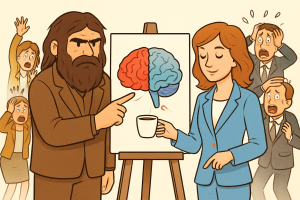
Her brain took over. And her brain is still running software from 50,000 years ago.
I Know Exactly How Sarah Felt
I made the exact same mistake in March 2020. Watched my portfolio drop 35% in two weeks and sold everything at the bottom. I knew it was wrong even as I was doing it.
My rational mind understood that market crashes create buying opportunities. But my lizard brain was screaming: “Danger! Preserve resources! Run!”
That’s when I realized something most people never figure out: your brain is actively working against your wealth-building efforts. Not because it hates you. Because it’s trying to keep you alive.
The problem? The same mental programming that helped our ancestors survive famines and predators now sabotages every smart financial decision we try to make.
Think about that. Your brain — the tool you’re relying on to build wealth — is hardwired to do the opposite.
Why Your Stone Age Brain Hates Modern Money
Your ancestors lived in a world where resources were scarce and immediate threats were real. If you found food, you ate it. If you found danger, you ran. If something worked once, you did it again.
Fast forward to today. You’re trying to invest for retirement 30 years from now using a brain designed for immediate survival.
Here’s how this plays out in your daily money decisions:
You see your account balance drop and your brain interprets this as resource loss — immediate danger. It floods you with stress hormones and pushes you toward “safety.” Which, in investing, means selling low and buying high.
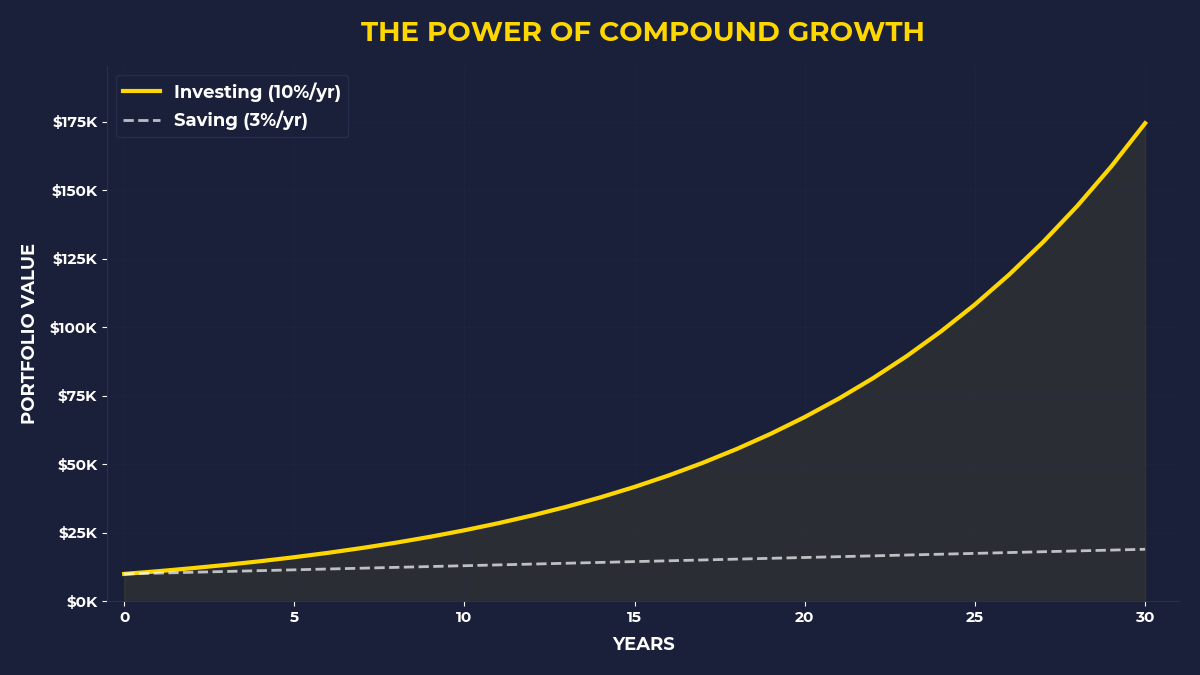
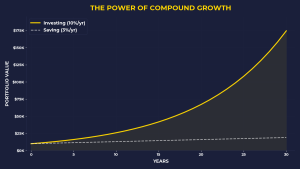
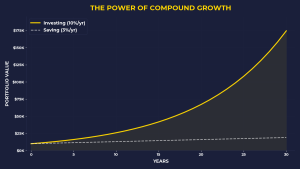
You get a bonus and your brain says “feast time!” — spend it now because tomorrow might bring famine. The idea of investing that bonus for compound growth over 20 years feels abstract and risky.
You see other people making money in crypto or meme stocks and your brain triggers FOMO — fear of missing out on resources that others in your tribe are getting. So you chase performance at exactly the wrong time.
Do you see the pattern? Your brain isn’t broken. It’s just solving the wrong problem.
The $2.6 Trillion Behavioral Finance Industry
Wall Street knows about your Stone Age brain. They’ve built a $2.6 trillion industry around exploiting it.
Ever wonder why financial news is designed like disaster coverage? Because fear drives action. Your brain sees “MARKET CRASH” headlines and immediately wants to do something — anything — to feel in control.
Ever notice how investment apps make trading feel like a game? Because your brain craves immediate rewards. The ping of a notification, the green numbers going up, the red numbers creating urgency.
The people getting rich aren’t smarter than you. They’ve just learned to recognize when their brain is lying to them.
Let me give you a specific example.
The Coffee Shop Revelation
I was sitting in a coffee shop in Austin last year, watching a guy my age — probably 35 — frantically buying and selling stocks on his phone. Green candles, red candles, buy, sell, buy, sell.
He was completely absorbed. Every few minutes he’d pump his fist or curse under his breath.
I watched him for 20 minutes. He was treating the stock market like a slot machine. His brain was getting dopamine hits from the activity itself, regardless of whether he was making or losing money.
Meanwhile, at the next table, an older woman was reading a book while her coffee got cold. I couldn’t help but glance at her phone screen when she checked it once — her portfolio was up 847% since 2009.
She’d bought index funds after the financial crisis and literally forgotten about them.
Same market. Two completely different outcomes. The difference wasn’t knowledge or luck.
It was behavioral.
How do you know when your brain is sabotaging your wealth?
Your brain’s wealth-sabotaging behaviors show up in predictable patterns. Once you recognize them, you can work around them.
Pattern #1: You check your investment accounts multiple times per day. Each check triggers an emotional reaction — anxiety when it’s down, euphoria when it’s up. Your brain interprets daily market noise as meaningful signals.
Pattern #2: You feel an urge to “do something” when markets move. Your brain equates activity with progress. But in investing, activity usually destroys returns.
Pattern #3: You research investments for hours but never actually invest. Your brain creates the illusion of progress through consumption of information. Meanwhile, you’re missing years of compound growth.
Pattern #4: You can easily spend $200 on dinner but agonize over a $200 stock purchase. Your brain treats money you might lose differently from money you’re definitely spending.
Pattern #5: You start investing right after markets hit new highs and stop when they crash. Your brain uses recent performance to predict future results — exactly backwards.
Wild, right? These aren’t character flaws. They’re features of normal human psychology.
The Capital Owner’s Brain Hack
Here’s what I learned from watching people who actually build wealth: they don’t fight their brain. They trick it.
Remember Sarah from the beginning? She eventually figured this out. Instead of trying to time the market with her full portfolio, she set up automatic investments of $500 per month into index funds.
Her brain couldn’t sabotage what it never consciously decided.
She also moved her investment account login to a password manager app she rarely opened. Checking her balance went from a 10-second impulse to a 3-minute process involving multiple steps.
That friction was enough to break the compulsive checking cycle.
Most importantly, she reframed market drops from “loss” to “sale.” When her brain saw falling prices, instead of panicking, she’d think: “The stuff I’m buying every month just got cheaper.”
Same information. Completely different emotional response.
This is how capital owners think. They don’t have different brains. They have better systems.
If You’re Someone Who Gets Excited About Shortcuts
This post isn’t for you. Building wealth through behavioral discipline is slow and boring. It requires accepting that your brain will fight you every step of the way.
If you’re looking for hot stock tips or get-rich-quick schemes, there are plenty of other places to find them. They’ll feed your brain exactly the kind of immediate-reward fantasy it craves.
But if you’re someone who’s tired of making the same money mistakes over and over, if you’re ready to work with your brain instead of against it, then keep reading.
The One Thing To Remember
Your money brain isn’t your enemy — it’s just solving the wrong problem. It’s trying to keep you alive in a world that no longer exists while you’re trying to build wealth for a future it can’t imagine. The people who build real capital aren’t smarter or more disciplined. They’ve just learned to set up systems that work around their behavioral biases instead of relying on willpower to overcome them.
Here’s what you can do today:
• Set up automatic investments of any amount — even $25 per month — into a broad market index fund, then delete the investment app from your phone
• Write down your biggest financial fear on paper, then ask yourself: “Is this fear about something happening today, or something my brain thinks might happen?”
• The next time you feel an urgent need to check your investment balance or make a trading decision, wait 24 hours and see if the urgency passes
🎬 Prefer watching? Check out the video version on YouTube: