Sarah — 29, marketing manager in Denver — called me three weeks after the market crash in March 2020. Her voice was shaking.
“I sold everything,” she said. “My entire 401k. $47,000 gone.”
She’d watched her account drop 30% in two weeks and couldn’t take it anymore. The news was screaming about economic collapse. Her coworkers were panicking. Every fiber in her body was telling her to run. So she sold at the bottom and moved everything to cash.
Six months later, those same investments had not only recovered but were up 15% from where she’d bought them.
Sarah lost $47,000 to her own brain.
I Know Exactly How Sarah Felt
I’ve been there. Not the exact same trade, but the same feeling.
In 2018, I watched my crypto portfolio — about $23,000 at the time — drop 80% over six brutal months. Every morning I’d check the prices, and every morning my stomach would clench. The financial Twitter crowd was calling it a scam. Friends were making jokes about “digital tulips.” My brain was screaming: get out, cut your losses, this was all a mistake.
Here’s the thing though. I knew the technology was solid. I understood the use cases. I’d done the research. But knowledge doesn’t matter when your amygdala is in control.
That portfolio? Worth about $340,000 today.
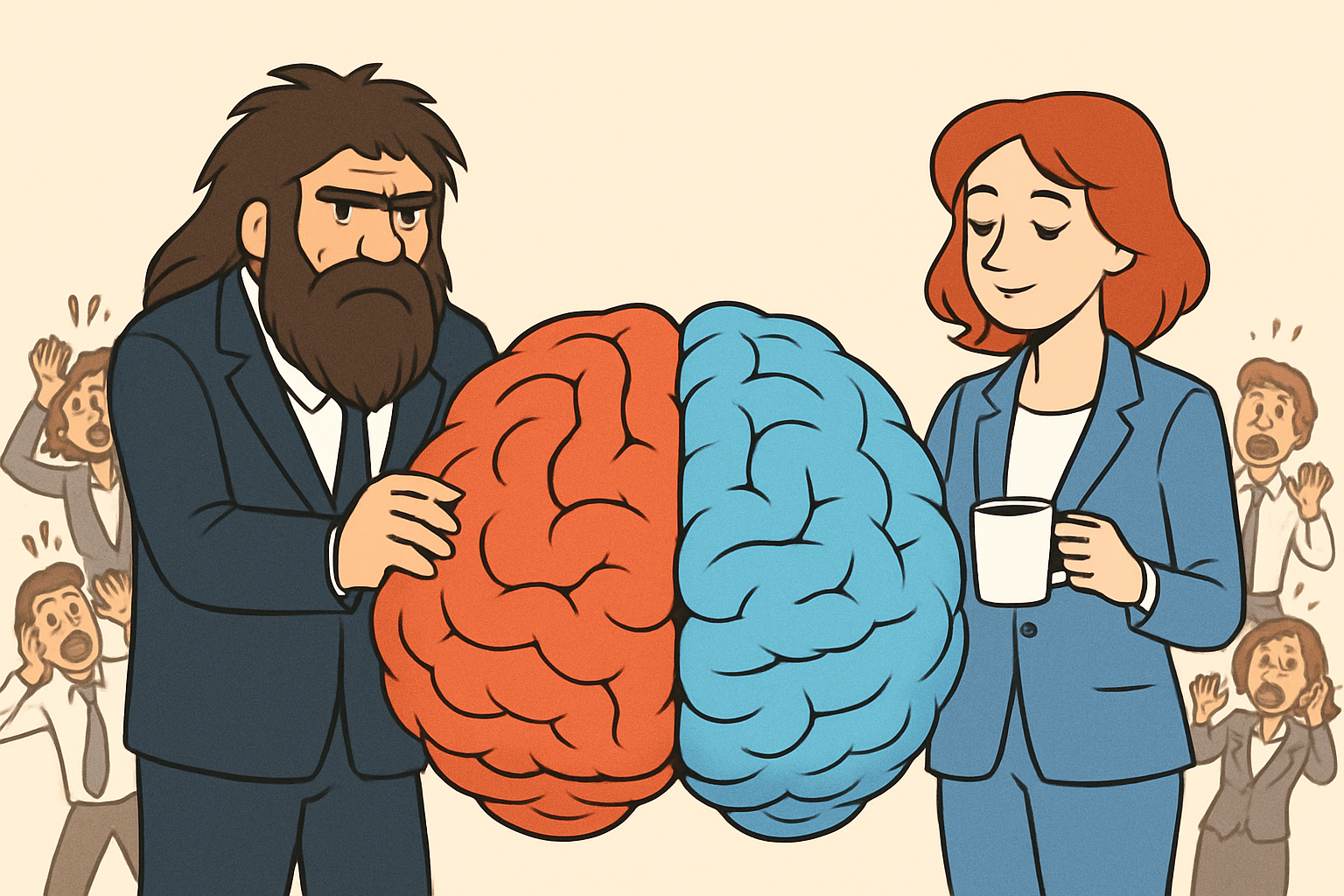
The difference between Sarah and me wasn’t intelligence or research or market timing. It was understanding something most people never learn: your brain is programmed to keep you poor.
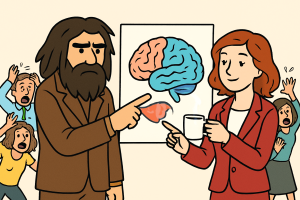
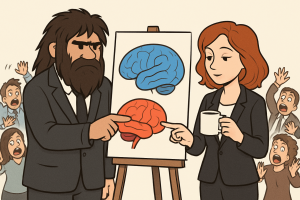
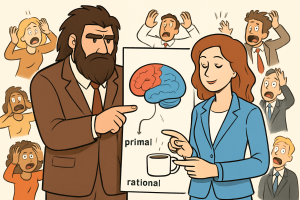
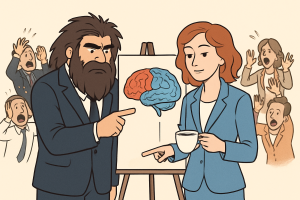
Your Stone Age Software Is Running Modern Money
Think about this for a second.
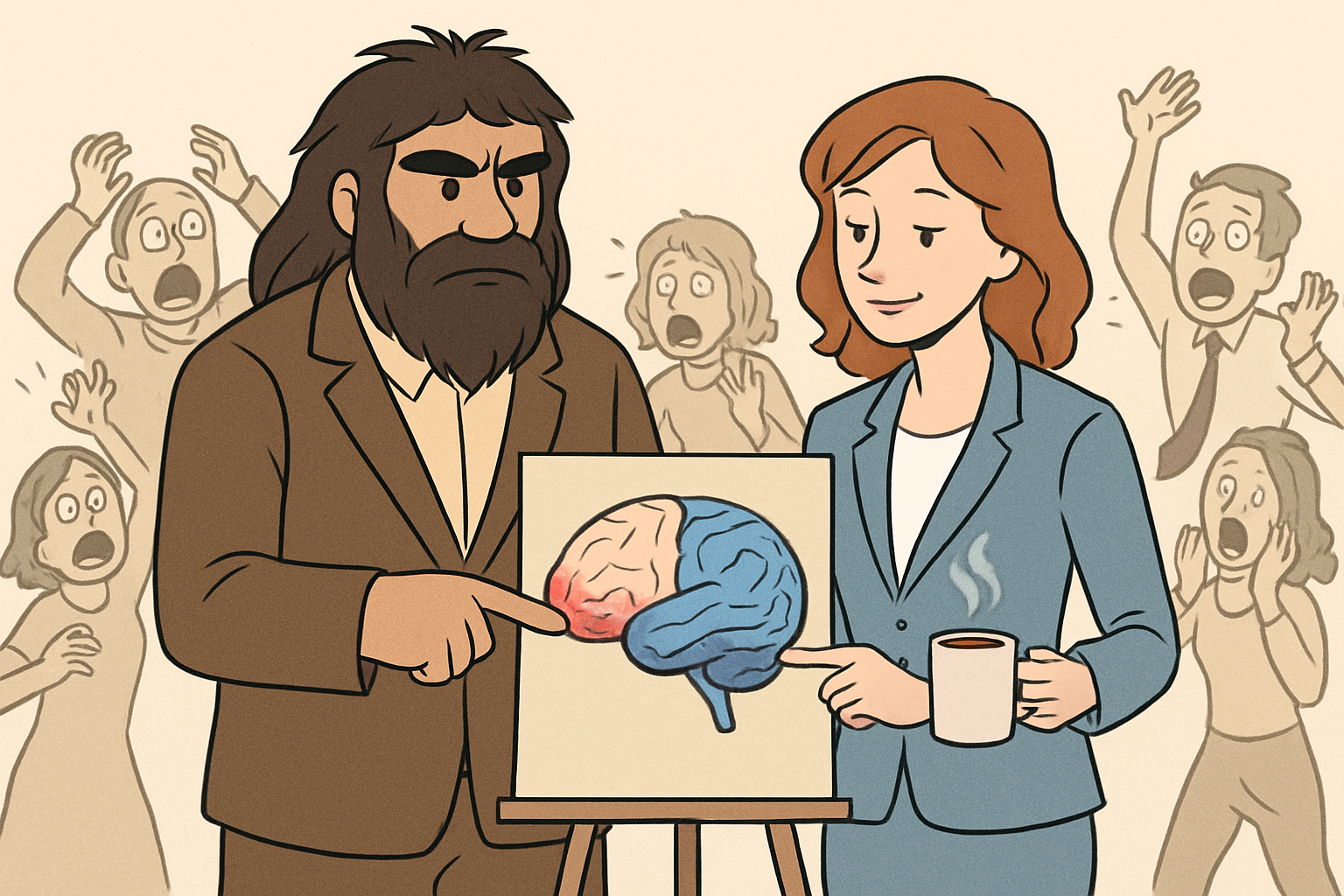
Your brain evolved over millions of years to keep you alive in a world where scarcity was normal. Where storing food for winter meant survival. Where trusting strangers could get you killed. Where following the tribe’s decisions — even bad ones — was safer than going it alone.
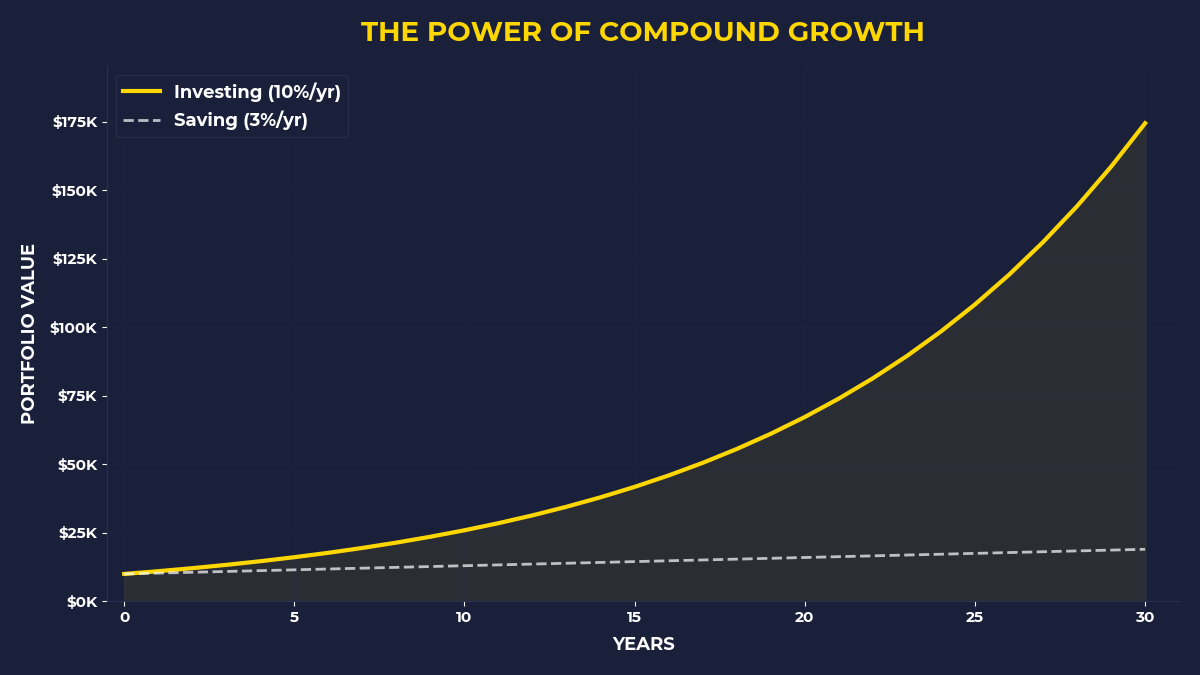
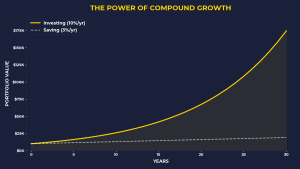
Now you’re using that same ancient operating system to make decisions about compound interest and market volatility.
No wonder 97% of people never build real wealth.
Every time you see your investment account drop, your brain interprets it as immediate physical danger. The same neural pathways that once kept you from getting eaten by a saber-tooth tiger are now making you sell Apple stock at a loss.
Loss aversion — the psychological principle that losses feel twice as painful as equivalent gains — isn’t a character flaw. It’s evolutionary programming. When food was scarce, losing half your winter storage meant death. So your brain learned to prioritize avoiding losses over pursuing gains.
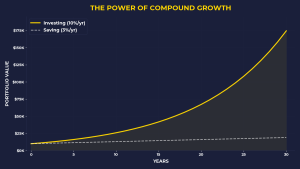
Perfect for surviving the Stone Age. Terrible for building wealth in a compound-interest world.
The Crowd Trap That Kills Capital
Here’s where it gets worse.
Your brain also evolved to follow the crowd because, historically, being wrong with the group was safer than being right alone. If the tribe decided to migrate south and you went north, you died alone even if you were technically correct about where the game was.
This shows up everywhere in modern finance. When everyone’s buying in 2021, your brain tells you it must be safe because the crowd validates the decision. When everyone’s selling in 2022, the same mechanism kicks in.
I watched this play out with my neighbor Mike — 45, software engineer, makes $120,000 a year. Smart guy. Reads financial blogs. Understands PE ratios.
But in January 2021, when Tesla hit $880, Mike bought $15,000 worth. Why? “Everyone at work was talking about it. Even my barber was making money on Tesla calls.”
He held for exactly eleven months, watching it drop to $350, before selling in December 2021. Lost about $6,000. His brain couldn’t handle being wrong while everyone around him was also losing money.
Six months later? Tesla was back over $1,000.
The Scarcity Loop That Traps Your Money
Want to know why your emergency fund never grows beyond three months of expenses?
Your brain thinks any money beyond immediate survival needs should be spent on status or comfort because, evolutionarily, there was no point in storing resources indefinitely. Seasons changed, tribes moved, and excess just attracted raiders.
So when you see $8,000 sitting in savings, part of your ancient programming whispers: spend it on something that improves your immediate situation. Upgrade the car. Renovate the kitchen. Take the vacation.
This isn’t financial illiteracy. This is your brain doing exactly what it evolved to do.
The same mechanism explains why 78% of Americans live paycheck to paycheck regardless of income level. Making $50,000 or $150,000, your brain scales your spending to match your resources because it’s programmed to consume available surplus.
The One Reframe That Changes Everything
Here’s what I learned after losing and making back millions in paper gains: you have to hack your own psychology.
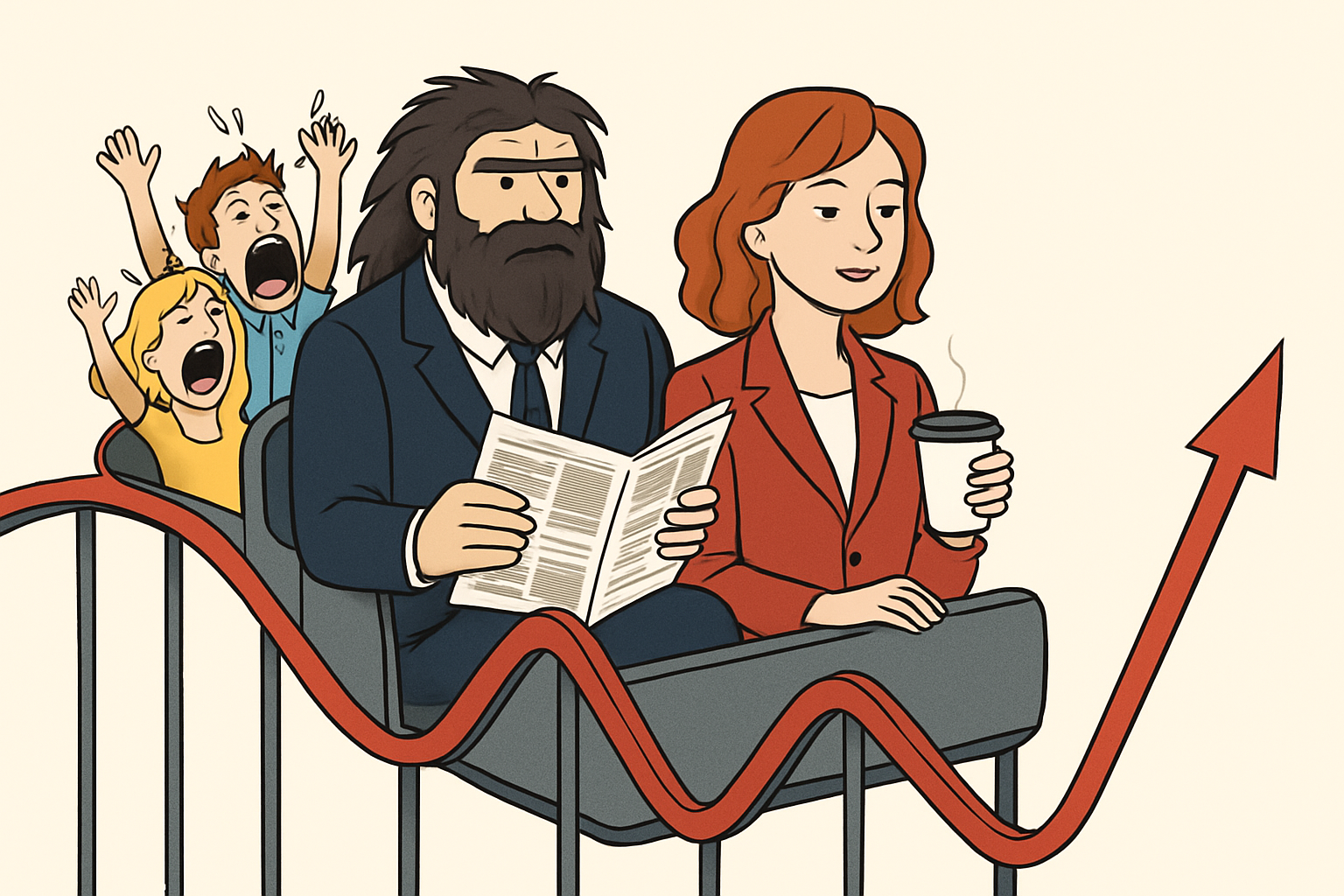
Your brain sees market volatility as immediate danger. But what if you could train it to see volatility as opportunity?
I started a simple practice in 2019. Every time my portfolio dropped more than 10%, I celebrated. Not because I enjoyed losing money, but because I trained my brain to associate market drops with buying opportunities.
When the market crashed in March 2020, my first emotion wasn’t panic. It was excitement.
I bought $25,000 worth of index funds in that first week. Not because I was certain the market would recover — nobody was. But because I’d rewired my behavioral response to volatility.
That $25,000 is worth about $47,000 today.
The same psychological hack works for spending. Instead of thinking “I can afford this,” I trained myself to ask “What capital could I buy with this money instead?”
Your brain evolved to prioritize immediate consumption over delayed gratification. But you can override that programming by making capital accumulation feel immediate and tangible.
How to Override Your Financial Operating System
Look, I’m not suggesting you can completely rewire millions of years of evolution.
But you can work with your brain instead of against it.
First, automate everything possible. Your ancient brain can’t sabotage decisions you never consciously make. Set up automatic transfers to investment accounts before you even see the money.
Second, make volatility boring. Check your accounts less frequently. Weekly instead of daily. Monthly instead of weekly. Your brain can’t panic about price movements it doesn’t see.
Third, reframe losses as tuition. Every bad trade, every behavioral mistake, every emotional decision that costs you money — that’s not failure, it’s education about your own psychology.
I keep a document called “Expensive Lessons” where I record every significant financial mistake I’ve made and what it taught me about my behavioral patterns. Reading it before making any major financial decision helps me recognize when my Stone Age programming is taking control.
If You’re Someone Who Keeps Making the Same Money Mistakes…
This post is for you if you’re tired of watching your brain sabotage your financial decisions. If you’re someone who understands investing intellectually but struggles with the emotional side. If you’ve ever sold during a crash, chased hot stocks, or spent money you meant to save.
You’re not financially illiterate. You’re not lacking willpower.
You’re just running Stone Age software on modern money problems.
The One Thing To Remember
Your brain evolved to keep you alive, not to make you wealthy. Every “irrational” financial decision you’ve made was actually your ancient programming working exactly as designed. The path to building real wealth isn’t fighting your psychology — it’s understanding it and building systems that work with your hardwiring instead of against it. Stop blaming yourself for behavioral mistakes and start designing around them.
Set up automatic investing so your conscious brain never gets the chance to interfere
Write down your three biggest financial mistakes and identify the emotional trigger behind each one
The next time your portfolio drops 10%, wait 24 hours before making any decisions — let your rational brain catch up to your emotional one
🎬 Prefer watching? Check out the video version on YouTube: