Sarah — 29, marketing manager in Denver — stared at her laptop screen at 11:47 PM on March 15th, 2024. Her Robinhood account showed a balance of $3,200. Six months earlier, it had been $127,000.
She’d inherited the money from her grandmother in August 2023. “I’m going to be smart about this,” she told her boyfriend. “I’m going to invest it properly.”
By February 2024, she’d panic-sold everything during a market dip. Lost $123,800 in seven months. Not because the market crashed — it actually ended up higher. She sold low, bought high, chased trends, and let her emotions drive every decision.
Sarah isn’t stupid. She has an MBA from Colorado State. She manages million-dollar marketing budgets at work. But when it came to her own money, her brain turned into her worst enemy.
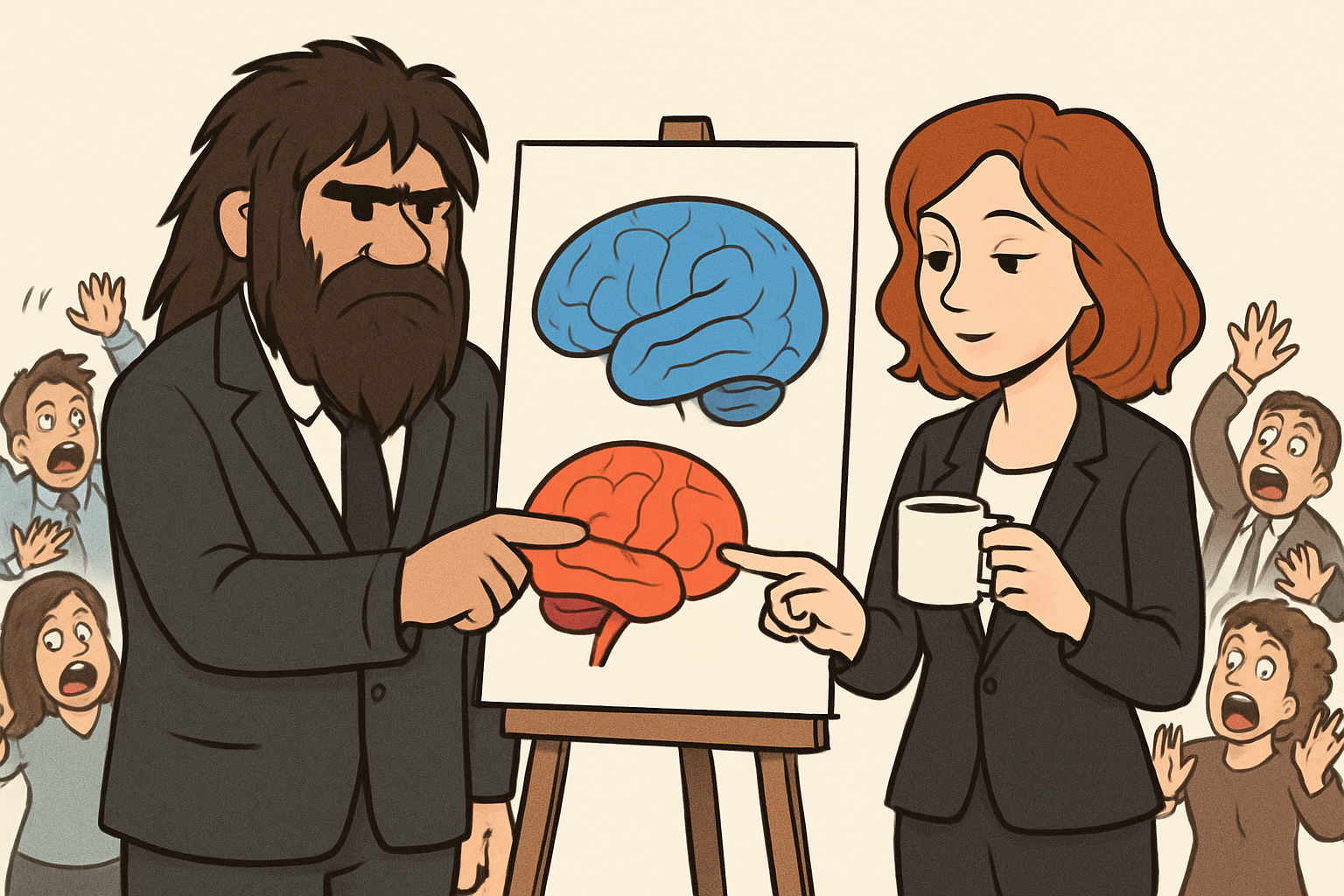
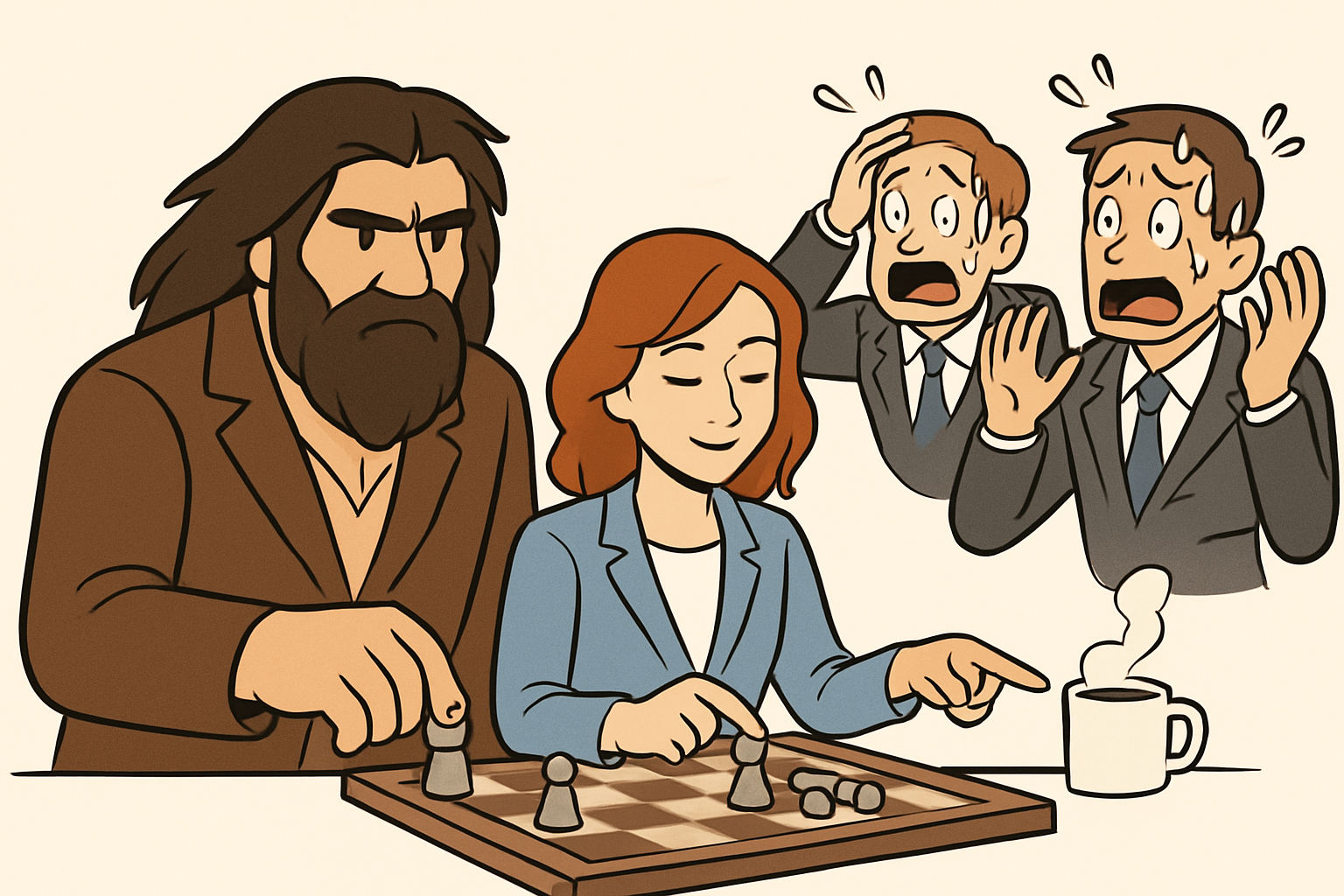
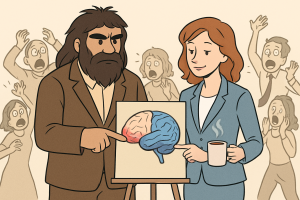
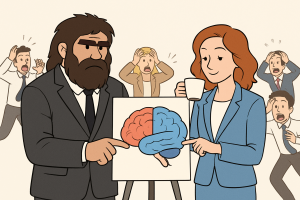
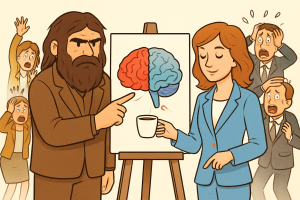
Here’s what nobody tells you about building wealth: your brain is actively working against you.
I Used To Think Smart People Made Smart Money Decisions
I believed this lie for years. If you’re intelligent, educated, successful at work — surely you’d be good with money, right?
Wrong.
I learned this the hard way in 2019 when I watched my own portfolio during the March COVID crash. I’d spent three years building a solid collection of dividend stocks. Microsoft, Apple, Johnson & Johnson. Boring stuff that paid me quarterly.
Then the world shut down.
March 23rd, 2020. I’m watching my account drop $18,000 in a single day. My hands are shaking as I click through my positions. Everything’s red. The news is talking about economic collapse. My neighbor lost his restaurant job.
And I almost sold everything.
I had my finger hovering over the “sell all” button for twenty-three minutes. I know because I timed it later. Twenty-three minutes of pure terror, convinced I needed to “cut my losses” before things got worse.
Thank God my internet went out.
By the time I got back online, I’d talked myself off the ledge. Those same stocks I almost panic-sold? They’re now worth 340% more than what they were that day.
But here’s the thing — I’m not special for almost making that mistake. I’m normal. Our brains are hardwired to make terrible financial decisions.
Your Brain Has Three Settings: All Wrong For Money
Evolution gave us incredible survival tools. Pattern recognition. Risk avoidance. Social cooperation. These kept our ancestors alive when tigers were chasing them.
But they’re financial suicide in 2024.
Think about how your brain responds to money decisions. You see your account balance drop 15% and your amygdala starts firing like there’s a predator nearby. Your heart rate spikes. Your palms sweat. Your prehistoric brain screams: “DANGER! ESCAPE!”
So you sell. Right when you should be buying.
Or consider this: you get a bonus at work. $3,000 after taxes. Your logical brain knows you should invest it in index funds. But your emotional brain says “You deserve this. You’ve been working hard. Buy something nice.”
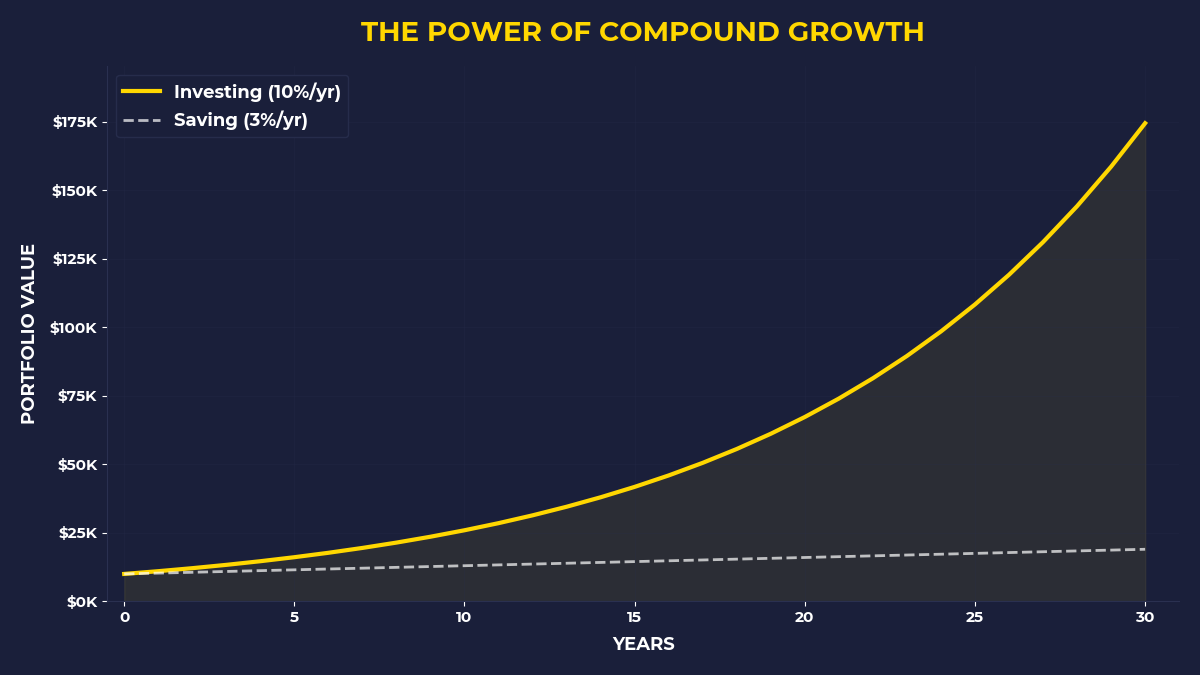
The new couch feels more real than compound interest.
Your brain has three settings when it comes to money, and they’re all wrong:
Setting 1: Immediate Gratification. You’d rather have $50 today than $100 next month. Behavioral economists call this “present bias.” I call it why most people never build capital.
Setting 2: Loss Aversion. Losing $1,000 feels twice as bad as gaining $1,000 feels good. So you hold losing investments too long and sell winning ones too quickly. You avoid risk precisely when you should be taking it.
Setting 3: Herd Mentality. When everyone’s buying crypto at $60,000, you feel left out. When everyone’s panicking and selling, you panic too. You follow the crowd straight off the wealth-building cliff.
The Real Reason Sarah Lost $123,800
Let me tell you what actually happened to Sarah, because it wasn’t bad luck.
August 2023: Inherits $127,000. Puts it in a savings account earning 0.5% while she “researches investments.” This feels safe. Smart. Responsible.
September 2023: Watches her coworker make $8,000 on Tesla stock in two weeks. Sarah’s cash is earning $63 per month. She feels stupid. Her brain says: “You’re missing out.”
October 2023: Buys $40,000 worth of individual growth stocks. Tesla, Nvidia, some biotech companies her cousin recommended. Feels like a genius when they go up 12% in three weeks.
November 2023: Stocks pull back 8%. Sarah checks her account obsessively. Five times a day. Each red day feels like physical pain. Her brain interprets portfolio volatility as actual danger.
December 2023: Adds another $50,000 to “average down” on positions that are now 15% underwater. Tells herself she’s being strategic. Really, she’s throwing good money after bad because admitting the loss feels impossible.
January 2024: Market recovery begins, but Sarah’s positions are still down overall. She starts day-trading with the remaining $37,000, trying to “make it back quickly.” Her brain craves the dopamine hit of quick wins.
February 2024: After two weeks of day-trading losses, panics and sells everything. Takes the $3,200 and runs. Her brain finally gets relief from the constant stress, even though the “relief” cost her $123,800.
Every single decision felt logical in the moment.
That’s the terrifying part about behavioral finance — your brain tricks you into thinking emotional decisions are rational ones.
What Would A Capital Owner Have Done Instead?
Here’s what Sarah’s brain should have been thinking, but wasn’t wired to think:
“I have $127,000. This isn’t my money to play with — it’s my future freedom. What can I buy that will send me cash flow every month for the next 30 years?”
The answer: boring stuff. Dividend aristocrats. REITs. Index funds. Boring stuff that other people build and manage while you collect the profits.
If Sarah had put that $127,000 into an S&P 500 index fund in August 2023 and never looked at it, she’d have about $157,000 today. Instead of losing $123,800, she’d have gained $30,000.
More importantly, she’d own tiny slices of 500 companies. Every day, millions of employees at Apple, Microsoft, Amazon, and 497 other companies would wake up and go to work. For her. Creating value that flows to her account as capital gains and dividends.
But her brain couldn’t see this. It only saw numbers going up and down on a screen.
The One Mental Model That Changes Everything
Want to know the difference between people who build wealth and people who stay broke?
It’s not intelligence. It’s not education. It’s not even income.
It’s how they think about ownership.
Most people think about money as something you spend or save. Capital owners think about money as something you use to buy pieces of cash-generating systems.
When I finally understood this — really understood it — everything changed.
I stopped asking “Can I afford this?” and started asking “Will this pay me back?”
I stopped thinking about my portfolio as numbers on a screen and started thinking about it as my collection of cash-generating assets.
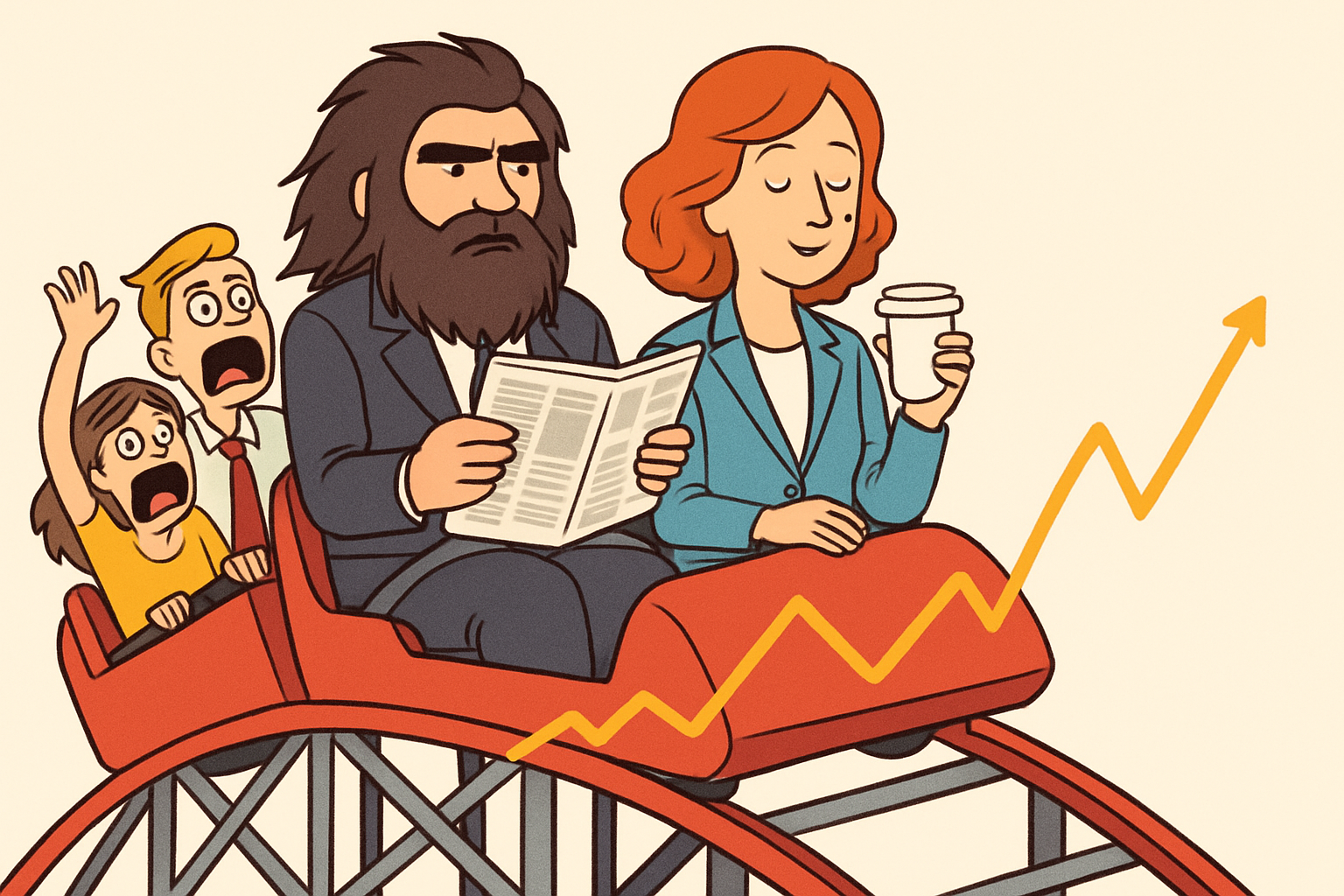
When the market drops now, my brain doesn’t scream “DANGER!” It whispers “Sale.”
Your Brain Can Learn New Money Habits
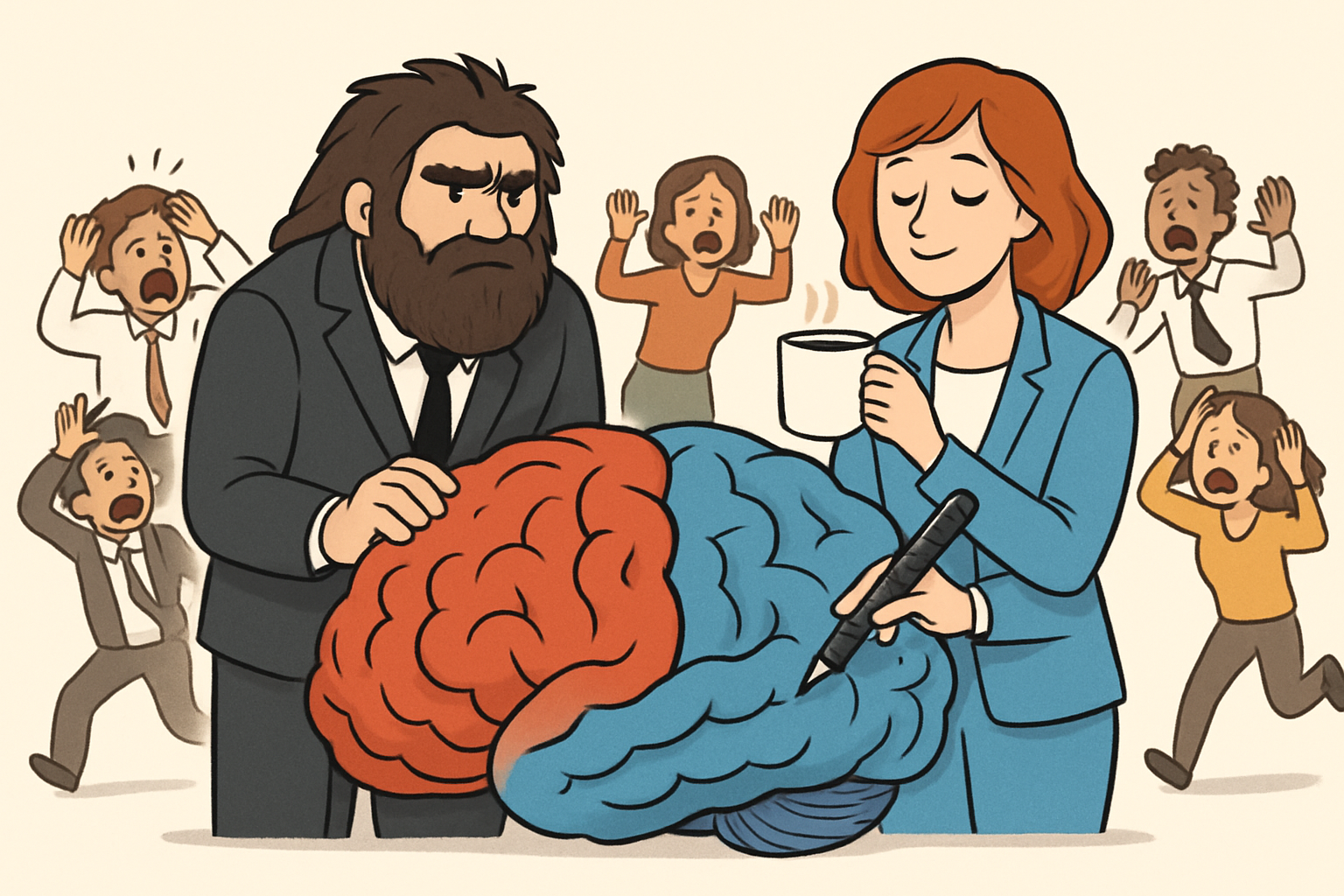
Look, I’m not saying you can rewire millions of years of evolution overnight. Your brain will always have those three terrible settings.
But you can work around them.
Here’s what I do: I’ve automated everything I can. $2,000 goes from my checking account to my investment account every month on the 15th. I don’t get to think about it, debate it, or change my mind. My emotional brain never gets involved.
I buy the same boring index fund every month. VTI — total stock market. It owns pieces of 4,000+ American companies. When I buy shares, I’m not gambling. I’m buying a piece of the American economy.
I only check my balance once per quarter. This prevents the obsessive monitoring that turns your brain into a stress factory.
Most importantly: I’ve trained my brain to think about time differently. Every dollar I invest today buys me roughly 30 minutes of freedom when I’m 60. That $6 coffee? That’s 3 hours of my future time. The calculation makes the choice obvious.
These aren’t massive changes. They’re small behavioral tweaks that work with my brain’s limitations instead of against them.
If You’re Someone Who Feels Trapped By Your Own Decisions
Maybe you’ve made your own version of Sarah’s mistake. Maybe you’ve panic-sold during crashes, chased hot stocks, or blown money you meant to invest.
Maybe you look at successful investors and think they must have some special knowledge or willpower you lack.
They don’t.
They just understand that building wealth is about fighting your brain, not trusting it. They’ve learned to make the important decisions when they’re calm, then stick to them when they’re emotional.
The good news? Your brain is programmable. You can teach it new patterns. You can set up systems that make the right choices automatic.
You just have to admit that your instincts about money are probably wrong.
The One Thing To Remember
Your brain evolved to keep you alive in dangerous situations, not to build wealth in capital markets. Every “obvious” financial decision — selling when scared, buying when excited, spending windfalls instead of investing them — leads you away from capital ownership and toward financial dependence. The solution isn’t to fight your nature; it’s to automate the important decisions so your emotional brain never gets a vote.
Three things you can do this week:
• Set up automatic transfers from checking to investment account — start with whatever amount doesn’t trigger your panic response, even if it’s $25
• Delete investing apps from your phone so you can’t obsessively check balances
• Write down what you want your money to do for you in 20 years, then tape it somewhere you’ll see it when you’re tempted to make emotional decisions
🎬 Prefer watching? Check out the video version on YouTube: