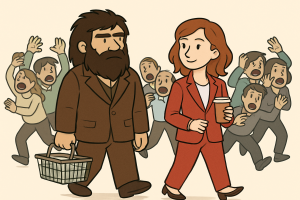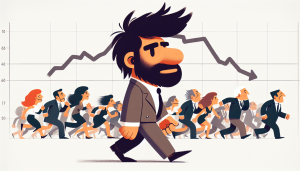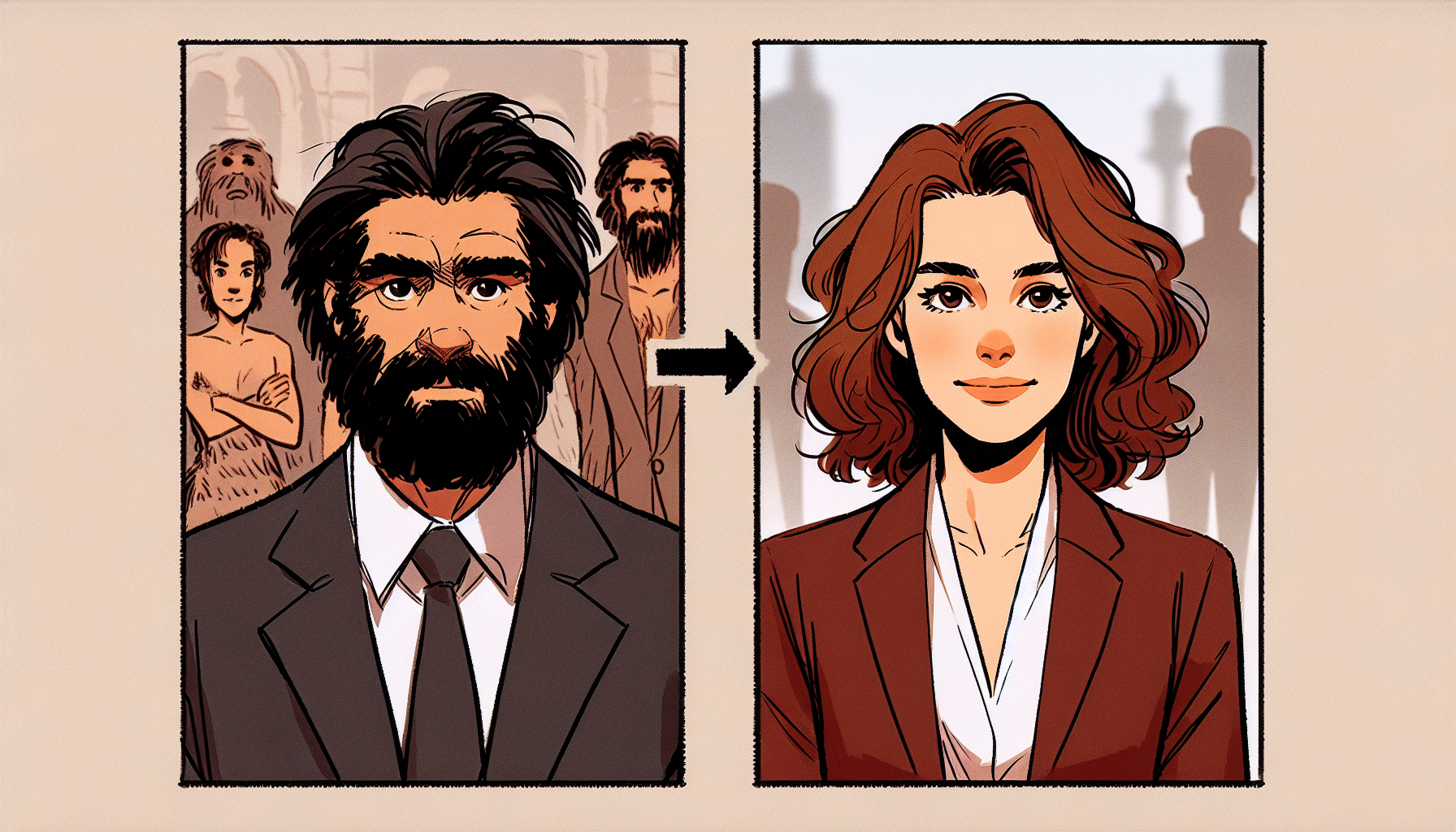
Have you ever looked at your monthly bills and wondered where your money actually goes?
I mean really looked. Not just glanced at the credit card statement, but traced each payment back to its destination. Your rent goes to your landlord. Your car payment goes to the bank. Your Netflix, Spotify, and gym memberships flow to their shareholders. Even that morning coffee you grabbed supports someone else’s business empire.
By the time everyone else gets paid, what’s left for you?
The Invoice Reality Most People Never Notice
Every month, you receive a stack of invoices disguised as “bills.” But here’s what most people miss: these aren’t just expenses. They’re cash flow transfers to capital owners.
Think about it. Your landlord owns real estate that generates monthly income from you. The bank owns your car loan and earns interest. Netflix owns a platform that millions pay for monthly. Each payment you make flows upward to someone who owns something.
Meanwhile, you own what, exactly?
Your job pays you, sure. But that income is temporary. It stops the moment you stop working. The rent payment? That’s permanent as long as you need shelter.
This is the fundamental structure of the economy: **cash flows from workers to capital owners, consistently and predictably**.
The Garage Story That Changed Everything
Robert Kiyosaki once shared a story that sounds almost impossible. After his business failed due to accounting problems, he and his wife were evicted from their home. They ended up living in a friend’s garage.
Broke, with creditors calling daily, facing a mountain of bills – what would you do?
Most people would say: “Pay the bills first, obviously. Handle the essentials. Then maybe save whatever’s left.”
Kiyosaki did the exact opposite.
Every time money came in, he paid himself first. Before the rent, before the utilities, before the car payment – he invested in assets. He bought stocks, real estate, anything that could generate future income. Only after investing in himself did he figure out how to pay the bills.
“But how did he pay the bills?” everyone asks.
He worked extra jobs. Mowed lawns. Did weekend gigs. Whatever it took to cover the bills after he’d already invested in his future.
Most people thought he was crazy. Living in a garage while buying stocks? It sounds backwards.
But here’s what happened: those assets started generating income. Small at first, then growing. Within a few years, the **cash flow from his investments exceeded his living expenses**. He never had to live in a garage again.
Why This Strategy Actually Works
The garage story illustrates something profound about building wealth. When you pay bills first, you’re guaranteed to have nothing left for wealth building. But when you pay yourself first, you create pressure to find solutions.
That pressure is everything.
If you have $3,000 and your bills are $2,800, you’ll pay the bills and save $200. If you invest $1,000 first, you have to figure out how to live on $2,000 or earn an extra $800. This forces creativity, side hustles, better budgeting.
More importantly, it forces you to **acquire equity ownership stakes** instead of just trading time for money indefinitely.
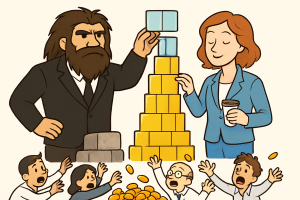
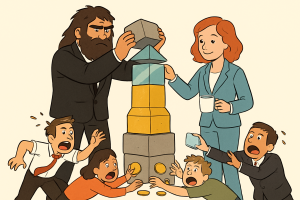
Think of it like building a house. You can spend years laying bricks for other people’s houses, earning daily wages. Or you can buy land, hire others to lay bricks, and own the house when it’s done. Same bricks, completely different outcome.
The Capital Owners vs. Everyone Else
Here’s what I realized about famous singers and movie stars. Yes, they work hard. But so do construction workers, teachers, and nurses. The difference isn’t effort – it’s ownership.
When a singer becomes popular, they don’t just earn money from singing. They own their brand, their catalog, their image rights. Every time someone streams their music, buys merchandise, or licenses their song, money flows to them. They’ve created a system where demand generates **cash flow to capital owners** – and they are the capital owner.
The singer who never makes it might be more talented, work harder, practice longer. But if they don’t own anything that captures ongoing demand, they stay broke.
This is why focusing on “working harder” misses the point. The question isn’t “How can I work harder?” It’s “What can I own that people will pay for repeatedly?”

Building Your Own Cash Flow System
You don’t need to be a celebrity to apply this principle. Warren Buffett’s childhood golf ball business shows how simple it can be.
Young Warren collected lost golf balls around courses and sold them to golfers. Simple enough. But here’s the key: he reinvested every dollar back into the business. More balls, better locations, eventually hiring friends to collect while he focused on sales.
That $6 per dozen became the foundation of a system. Each reinvestment expanded his capacity. Eventually, the system worked without his constant labor.
The same pattern applies whether you’re buying dividend stocks, rental properties, or building a side business. The goal is creating something that generates **economic freedom through ownership** rather than just trading your hours for dollars.

The Creative Work vs. Repetitive Work Split
There’s another layer to this that people rarely discuss. When you have no capital, almost all your energy goes to repetitive work – the same tasks, for someone else, to pay bills that repeat every month.
But when you own assets that generate income, something shifts. You move from survival mode to creative mode.
Imagine building your own house versus laying bricks for someone else’s house. Both involve work, but the energy feels completely different. One builds your future; the other just pays today’s bills.
**Capital ownership transforms work from repetitive survival tasks into creative wealth-building activities**. Instead of showing up to do the same job for the same boss, you’re solving problems, building systems, creating value that compounds over time.
This isn’t just about money. It’s about reclaiming your life’s energy for projects that matter to you.
The One Thing To Remember
**Everyone else gets your money before you do because they own things you need, while you own things that cost you money.** The shift from financial struggle to financial freedom happens when you flip this relationship – when you start paying yourself first and acquiring assets that generate the cash flow currently going to others. Time freedom isn’t a luxury for the wealthy; it’s the natural result of building wealth before paying bills.
Here’s what you can start today:
- Calculate exactly where your money goes each month – trace every payment back to its owner
- Commit to investing 10% of your income before paying any bills, even if it means working extra hours to cover the shortfall
- Ask “What can I buy that will pay me back?” instead of “What job should I get?”
🎬 Prefer watching? Check out the video version on YouTube:
👉 https://www.youtube.com/@PrimalContrarian
Subscribe for daily insights on capital, wealth, and contrarian thinking.