Have you looked at your monthly bills recently?
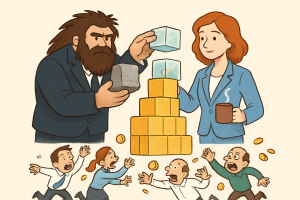
I mean really looked. Not just the amounts, but who you’re sending money to. Your rent check goes to someone who owns property. Your car payment flows to someone who owns capital to lend. Your Netflix subscription enriches someone who owns content libraries.
Every bill in your stack represents the same thing: your cash flowing to people who own assets.
Your Bills Are Invoices From Capital Owners
Here’s something that hit me like a brick wall recently. I was sitting with my monthly bills spread across the kitchen table — rent, utilities, groceries, subscriptions, insurance — and I realized something profound.
These aren’t just expenses. They’re invoices.
Every single payment flows from me to someone who owns something I need. The landlord owns the building. The utility company owns the infrastructure. The grocery chain owns distribution networks. Even my morning coffee flows cash to someone who owns coffee shops, supply chains, or roasting equipment.
The pattern became impossible to ignore: I work all week, collect a paycheck, then immediately send most of it to people who own assets.
They don’t work harder than me. Many of them don’t work at all. But they own the things I need, so my cash flows to them automatically.
This is the hidden wealth transfer happening in plain sight.
The Famous Singer Pattern (And Why It Matters to You)
You know what I used to wonder about? Why famous singers make millions while hardworking people struggle.
Sure, talent matters. But there are thousands of singers with incredible voices working restaurant jobs. The difference isn’t talent or hard work — it’s ownership of demand.
When a singer becomes popular, they don’t just get paid once for their work. They own the rights to songs people want to hear. Every time someone streams their music, buys their album, or pays for concert tickets, cash flows to them.
The singer built something people demand repeatedly. They own that demand.
Now here’s the connection most people miss: you can apply this same principle without becoming famous. You just need to own assets that generate demand from other people.
Instead of being the person paying monthly bills to capital owners, you become the person receiving those payments.
The Warren Buffett Golf Ball Story That Changes Everything
Let me tell you about young Warren Buffett and his golf ball business. This story reveals the exact moment when someone shifts from worker to capital owner.
As a kid, Warren would search around golf courses for lost balls. He’d wade into ponds, crawl through bushes, collect dozens of balls, clean them up, and sell them back to golfers for 50 cents each.
Hard work, right? But here’s what made Warren different.
Instead of spending his earnings on toys or candy, he used every dollar to buy assets. First, he bought a pinball machine and placed it in a barbershop. The machine generated quarters while Warren slept. Then he bought more machines with those quarters.
Later, he used his accumulated capital to buy farmland and rent it out. The tenants sent him cash every month while he focused on other investments.
Warren understood something most people never figure out: the goal isn’t to work harder or earn more from your job. The goal is to own assets that create cash flow while you’re not working.
He shifted from trading his time for money to owning things that generate money automatically.
The Question That Separates Owners From Workers
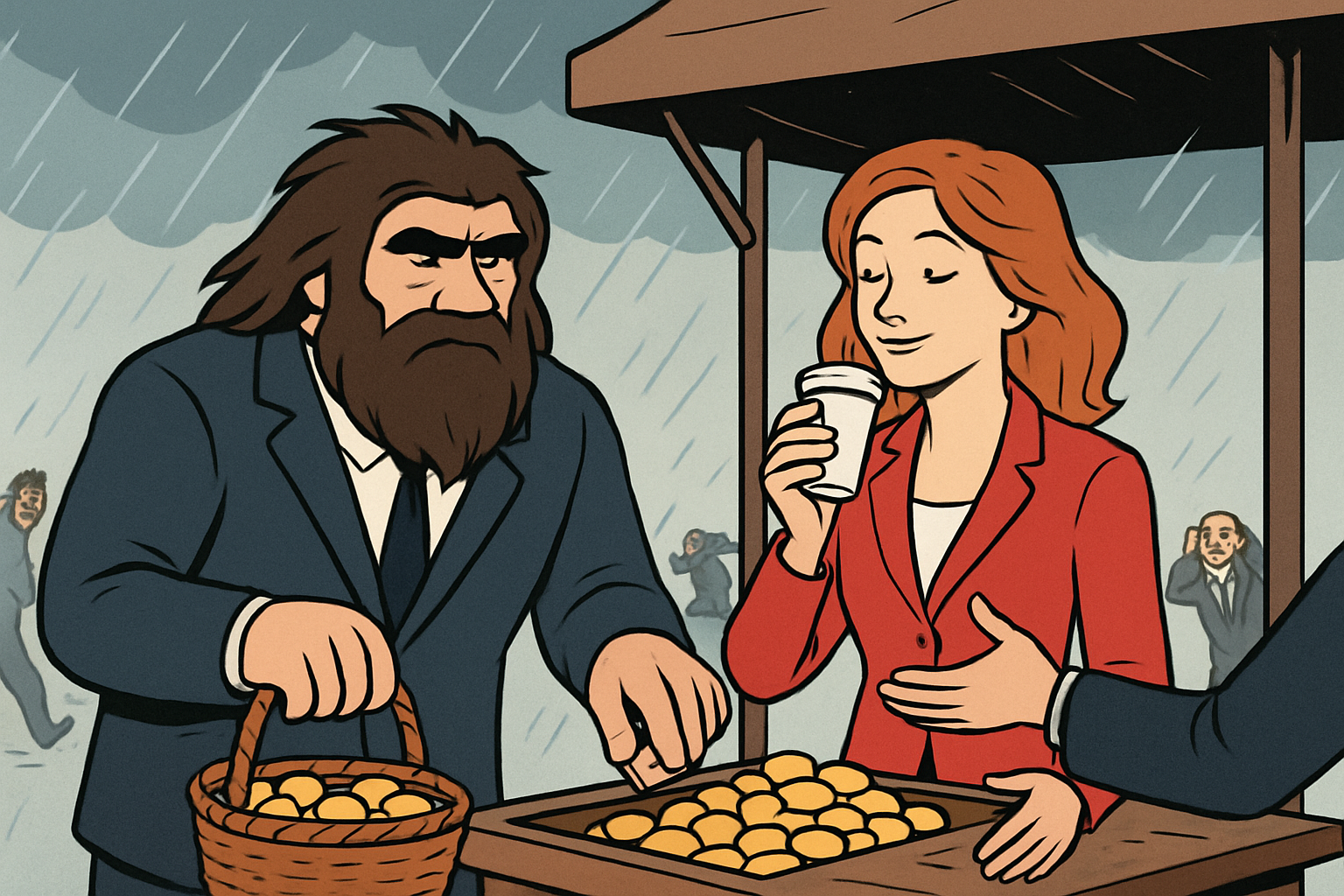
Most people ask: “How can I make more money?”
Capital owners ask: “What should I buy?”
This isn’t just a different question — it’s a completely different way of thinking about money.
When you think “what should I do,” you’re thinking like an employee. You’re looking for ways to trade more time, effort, or skill for money. Even if you start a business, you’re often just creating a job for yourself.
When you think “what should I buy,” you’re thinking like a capital owner. You’re looking for assets that generate cash flow without requiring your constant presence.
This could be stocks in companies where thousands of employees generate profits for you. It could be rental properties where tenants pay your bills. It could be a business system that operates without you.
The shift in questioning changes everything about how you approach money.
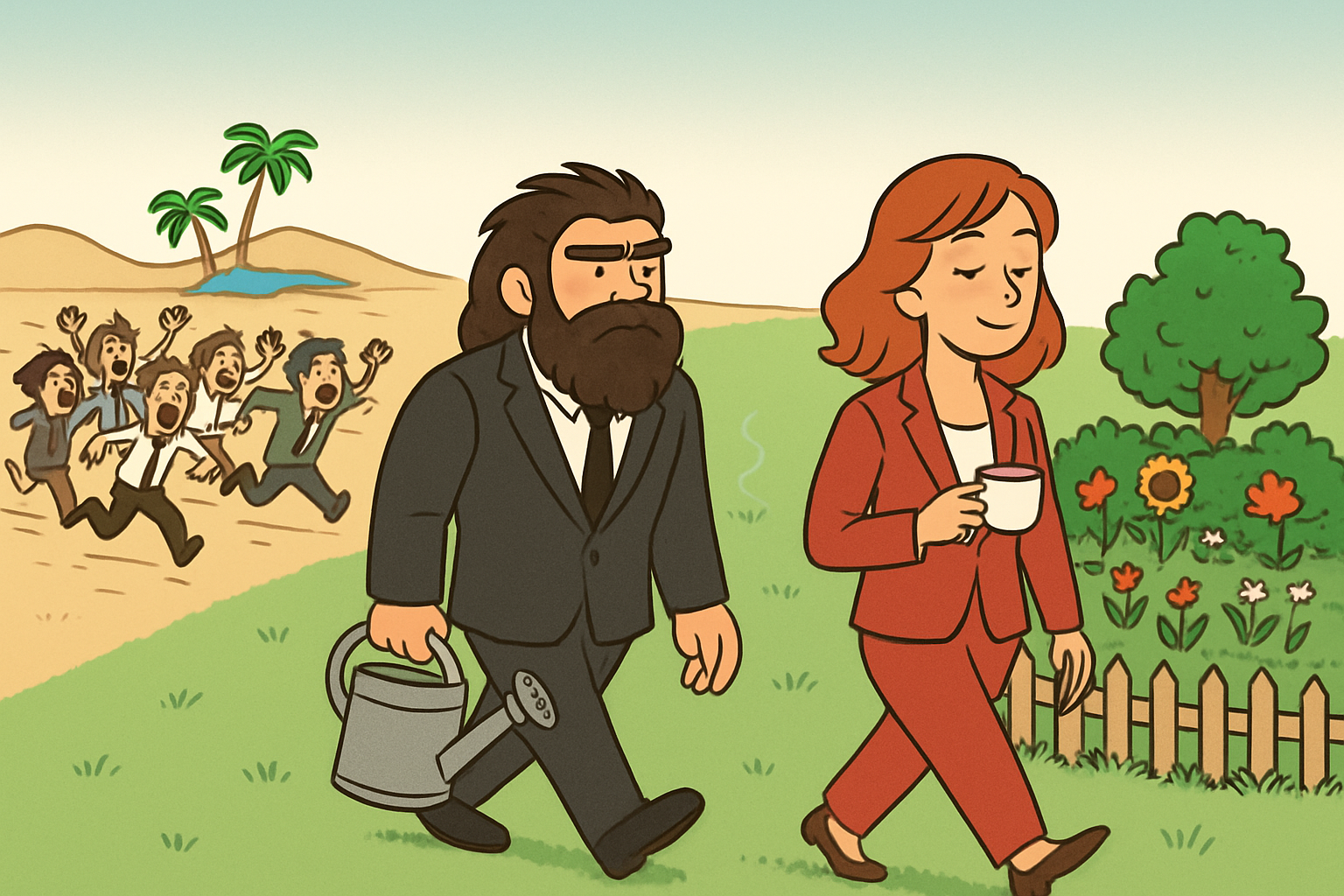
Why Your Emergency Fund Might Be Keeping You Poor
Here’s where I’m going to challenge conventional wisdom.
Financial advisors tell you to build an emergency fund first. Save three to six months of expenses in a savings account before investing anything.
But think about what this actually does. Your money sits in a bank account earning almost nothing while inflation eats away at its value. Meanwhile, you continue paying monthly bills to capital owners who use your payments to buy more assets.
Robert Kiyosaki tells a story about living in a friend’s garage after his business failed. Despite facing eviction notices and bill collectors, he did something counterintuitive: he paid himself first.
Every time he earned money, he immediately bought assets — stocks, bonds, business investments. Only after investing in assets would he figure out how to pay his bills.
This forced him to find creative ways to generate income. He worked extra jobs, took on side projects, anything to cover expenses after he’d already invested in his future.
The result? He built wealth even while technically broke, because he owned assets that generated growing cash flow.
I’m not suggesting you skip paying essential bills. But consider this: what if you paid yourself first, even if it’s just $50 or $100 per month, then hustled harder to cover the gap?
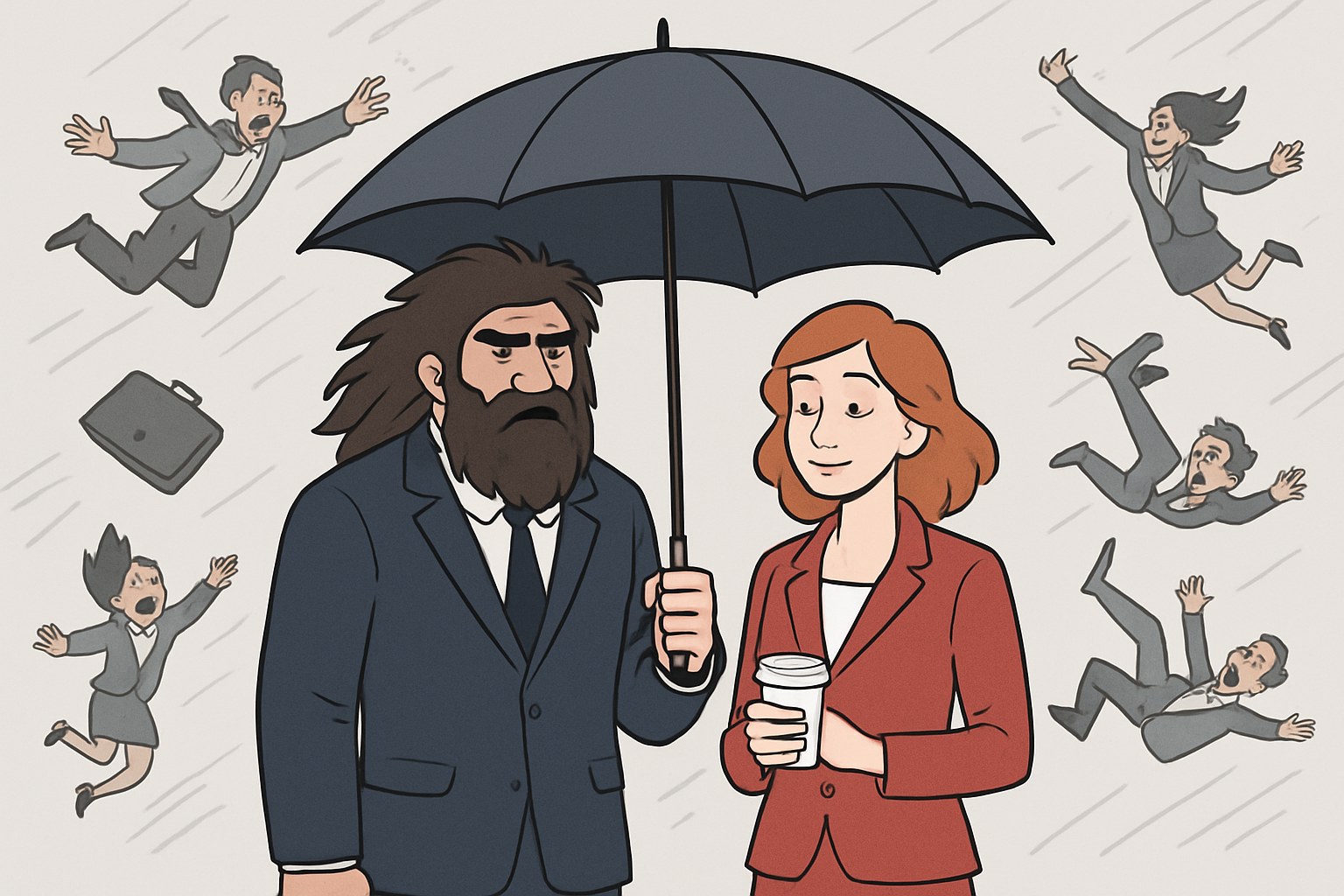
The Compound Effect of Ownership Thinking
Here’s what happens when you start thinking like a capital owner instead of a worker.
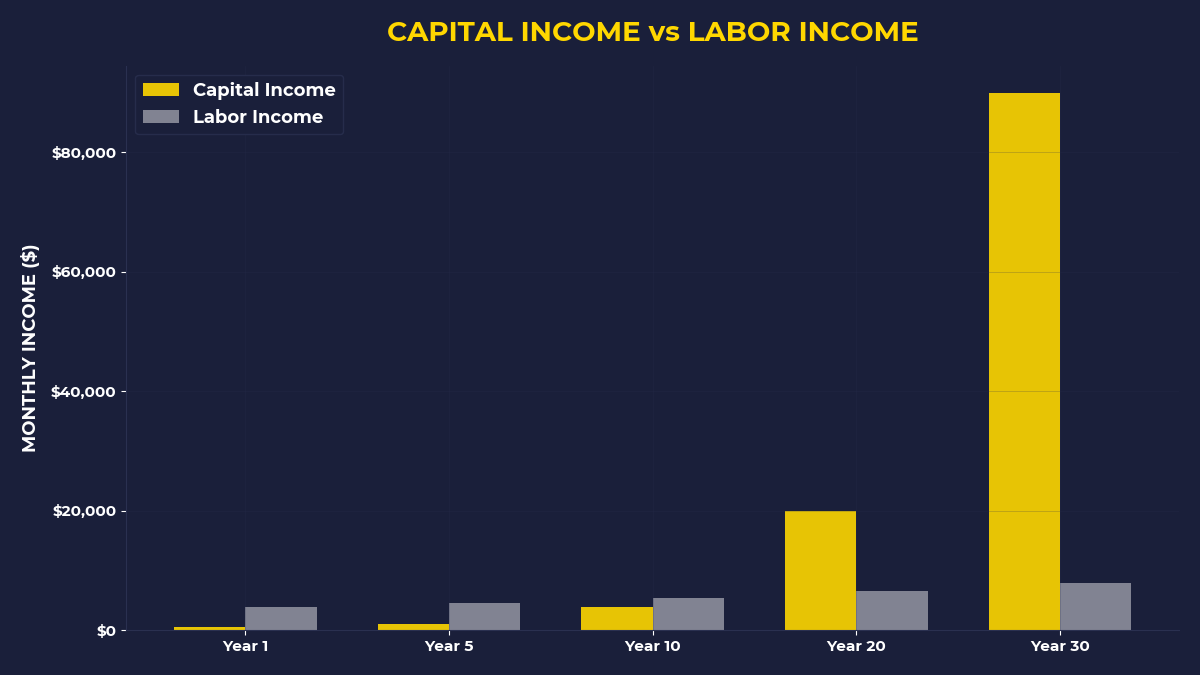
Let’s say you buy shares of an index fund with $500 per month. Inside that fund are hundreds of companies with thousands of employees creating value. You own a tiny slice of all their work.
As those companies grow, your ownership stake becomes more valuable. Some pay dividends — cash flowing directly to you. Over time, compound growth means your assets generate enough cash flow to cover some of your monthly bills.
Now imagine taking this further. What if you owned rental property where the tenant’s rent covers the mortgage? Or owned a business that generates profits without your daily involvement?
Suddenly, you’re receiving the monthly payments instead of sending them.
This isn’t about getting rich quick. It’s about systematically shifting from the paying side of the wealth transfer to the receiving side.
The One Thing To Remember
Your monthly bills reveal the most important economic truth: money flows from people who work for it to people who own assets. Every rent payment, every subscription, every purchase transfers wealth from workers to capital owners. The only way to escape this wealth transfer is to become a capital owner yourself — to own assets that generate cash flow from other people’s monthly bills.
Start with these three actions today:
- Look at your three largest monthly bills and ask: “Who owns the assets I’m paying for, and how could I own similar assets?”
- Redirect your next $100 toward buying assets (stocks, ETFs, or business investments) before paying non-essential bills
- Replace the question “How can I earn more money?” with “What should I buy next to generate passive income?”
🎬 Prefer watching? Check out the video version on YouTube:
👉 https://www.youtube.com/@PrimalContrarian
Subscribe for daily insights on capital, wealth, and contrarian thinking.