Have you ever noticed that the hardest-working people you know aren’t always the wealthiest?
Your neighbor who works two jobs. The single mom juggling three part-time gigs. The construction worker putting in sixty-hour weeks. They’re grinding harder than most CEOs, yet they’re living paycheck to paycheck while someone else gets rich off their effort.
This isn’t fair. But it’s reality. And understanding why this happens is the first step toward escaping it.
The Two Types of Work That Shape Your Financial Future
There are really only two kinds of work in this world. Most people spend their entire careers doing one type without realizing there’s another option.
Type 1: Repetitive Labor for Others
This is what most of us call “having a job.” You show up, do the same tasks (or variations of the same tasks), get paid for your time, then go home. Tomorrow, you start over.
The grocery store cashier. The data entry clerk. The factory line worker. Even many white-collar jobs fall into this category — the accountant processing the same reports month after month, the lawyer reviewing similar contracts, the marketing manager running identical campaigns.
None of this work is shameful. Society needs these roles filled. But here’s what nobody tells you: repetitive labor keeps you in survival mode forever.
Type 2: Creative Work for Yourself
This is building something that didn’t exist before. Creating value that compounds over time. Solving problems in ways that generate ongoing returns.
Starting a business. Building a brand. Creating content that attracts an audience. Developing a skill that becomes irreplaceable. Buying ownership stakes in valuable assets.
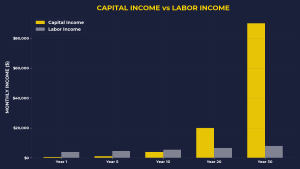
Here’s the crucial difference: repetitive labor pays you once for your effort. Creative work can pay you indefinitely.
Why Most People Get Trapped in the Repetitive Cycle
I used to think the difference between rich and poor was simply work ethic. Then I read a story that changed everything.
A friend told me about Robert Kiyosaki’s darkest moment. Most people know him as a real estate guru, but he was actually a business owner who lost everything when his company collapsed due to accounting issues. He and his wife got evicted and ended up living in a friend’s garage.
Here’s where the story gets interesting. Even while homeless, Kiyosaki did something that seemed completely backwards. Every time he earned money from odd jobs, he invested part of it first — before paying any bills. He bought small investments, shares in companies, anything that could generate future income.
His friends thought he was insane. “Pay your bills first, then invest what’s left over,” they said.
But Kiyosaki had discovered something most people never learn: if you pay everyone else first, there’s never anything left for you.
So what did he do when the bills came due? He worked evenings and weekends doing whatever it took — mowing lawns, odd jobs, anything to cover the remaining expenses. The key was he’d already taken care of his future self first.
This forced him to find creative ways to earn extra money. It pushed him out of the repetitive labor mindset and into the creative work zone.
The Hidden Energy Drain of Survival Mode
When all your mental energy goes toward paying this month’s bills, you have nothing left for building anything lasting.
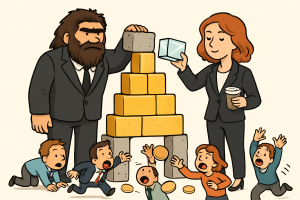
Think about it this way. Imagine you’re building a house. In survival mode, you’re laying bricks for someone else’s mansion eight hours a day. You’re exhausted when you get home. The weekends are for errands and recovery. When do you ever build your own house?
But what if you owned a piece of that mansion you were helping to build? What if every brick you laid also added value to something you owned? Suddenly, the work has different meaning. You’re not just trading time for money — you’re building equity in your future.
This is why capital ownership changes everything. It transforms repetitive labor into creative work because now you’re building something for yourself, even while working for someone else.

What Creative Work Actually Looks Like
Here’s what most people get wrong about creative work — they think it means being an artist or starting the next Facebook.
That’s not it at all.
Creative work is anything that builds lasting value. It’s work that pays you more than once. Work that compounds over time.
Examples of creative work:
• Buying shares in companies (even $50/month in an index fund)
• Learning skills that make you irreplaceable at work
• Building any kind of audience (newsletter, social media, local reputation)
• Creating systems that generate income without your direct involvement
• Developing expertise that others will pay for repeatedly
The janitor who quietly buys rental properties is doing creative work. The teacher who builds a tutoring side business is doing creative work. The accountant who buys dividend stocks with every paycheck is doing creative work.
None of this requires quitting your day job immediately. But it does require shifting some of your energy from pure survival to wealth building.
The Compound Effect of Ownership Thinking
Once you start thinking like an owner instead of just an employee, everything changes.
You start noticing opportunities everywhere. That inefficient process at work becomes a problem you could solve. That hobby you enjoy becomes a potential income stream. That monthly subscription you pay becomes an investment idea.
Most importantly, you start asking different questions:
Instead of “How can I earn more per hour?” you ask “How can I earn money while I sleep?”
Instead of “What job should I get?” you ask “What should I own?”
Instead of “How can I cut expenses?” you ask “How can I redirect money toward building wealth?”
This isn’t about getting lucky or having special talents. It’s about systematically shifting your energy from repetitive labor toward creative work, even in small ways.

Why Time Freedom Is the Ultimate Wealth
Here’s something most people don’t realize until it’s too late: the biggest difference between the wealthy and everyone else isn’t money in the bank.
It’s control over their time.
When you’re trapped in repetitive labor, your schedule belongs to someone else. You wake up to an alarm because someone else decided when work starts. You eat lunch when someone else says it’s lunchtime. You can’t leave for a family emergency without permission.
But when your wealth comes from ownership instead of labor, you get your time back. Not all at once — it’s gradual. But every investment you make, every system you build, every piece of equity you acquire gives you a little more control over your own schedule.
That’s the real prize. Not just having money, but having the freedom to decide how you spend your days.
The One Thing To Remember
Wealth isn’t built by working harder — it’s built by working on things you own. Every hour you spend building equity in something (whether that’s a business, investments, or valuable skills) moves you toward freedom. Every hour spent purely on repetitive labor keeps you exactly where you are. The shift doesn’t happen overnight, but it starts the moment you decide to pay yourself first and find creative ways to cover everything else.
Three things you can start today:
• Set up automatic investing, even if it’s just $25/month, before you pay any other bills
• Identify one skill you could develop that would make you more valuable (and start learning it)
• Look for one small way to create value for others that could eventually generate repeat income
🎬 Prefer watching? Check out the video version on YouTube:
👉 https://www.youtube.com/@PrimalContrarian
Subscribe for daily insights on capital, wealth, and contrarian thinking.