Have you ever wondered what you’d do if you never had to work again?
Most people start with the obvious answers: travel, hobbies, time with family. But here’s what they miss — the real difference isn’t about what you’d do with your time. It’s about having time in the first place.
The Monday Morning Test
Picture this: It’s Sunday night, and your alarm is set for 6 AM. Your week is already mapped out — meetings, deadlines, commutes. Every hour spoken for.
Now imagine waking up Monday with no alarm. No schedule. No boss expecting you anywhere.
The difference isn’t just psychological. It’s structural.
When you sell your time for money, you’re trapped in what I call survival mode. Every hour you don’t work is an hour you don’t get paid. Every week off is money lost. Your time becomes a commodity that someone else owns eight hours a day, five days a week.
But here’s what I learned from studying how wealth actually works: **time to create wealth only appears when you stop selling your time to survive.**
Why Your Energy Goes To Everyone But You
Let me tell you about my monthly bill ritual. Every month, I sit down with a stack of invoices. Rent to the landlord. Electricity to the utility company. Groceries to the supermarket chain. Car payment to the bank.
Each bill is a transfer of my cash flow to someone who owns something I need.
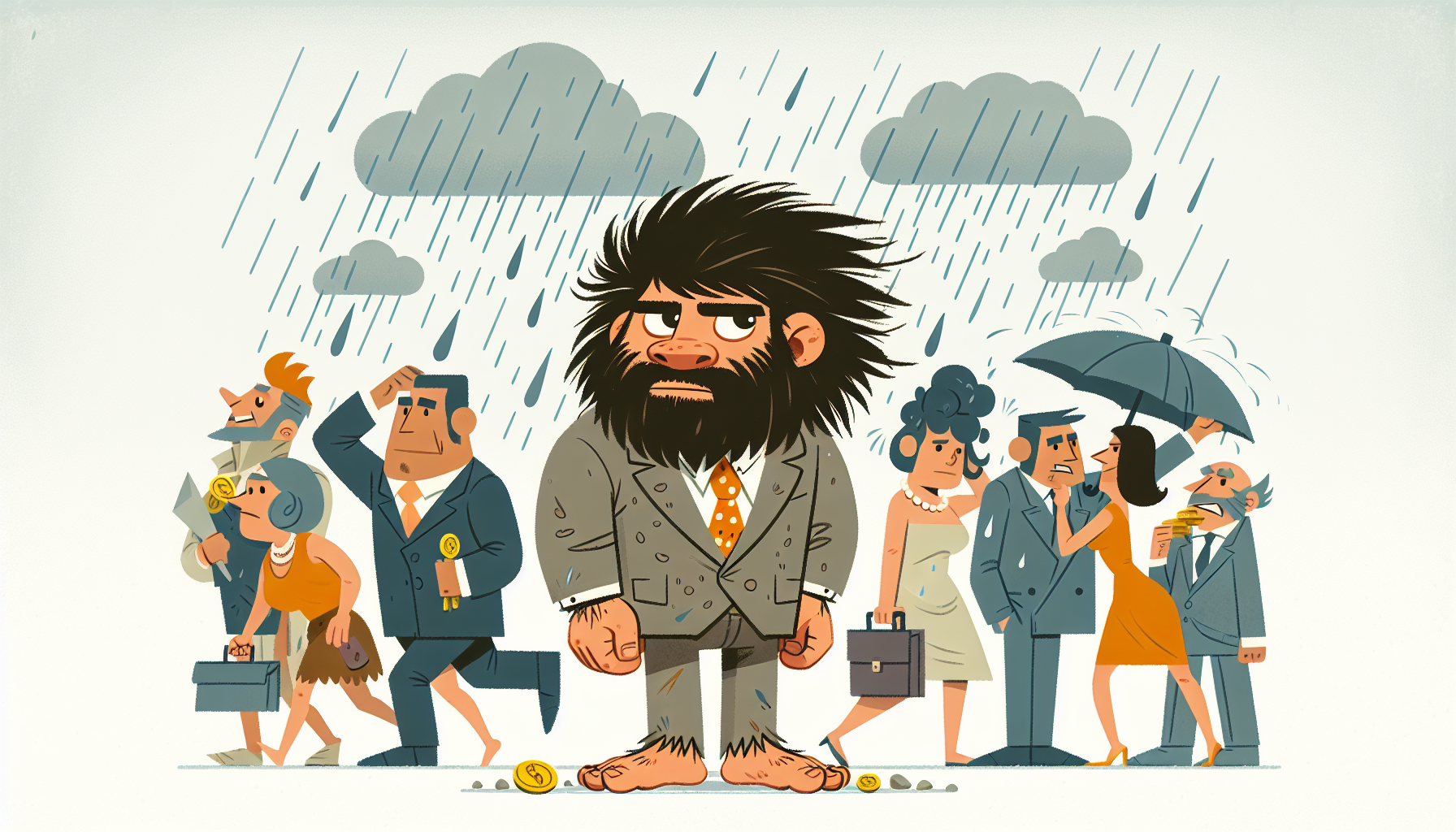
I realized something unsettling: I was working forty hours a week primarily to pay other people’s mortgages, shareholders, and business owners. My paycheck was just a pit stop before flowing to capital owners.
The landlord doesn’t work forty hours to collect my rent. The utility company doesn’t labor for each kilowatt I use. They own assets that generate cash flow whether they show up or not.
That’s the difference between **ownership vs labor for wealth building**. Labor trades time for money. Ownership trades money for time.
The Creative Work Hidden Inside You
Here’s something most people don’t realize: you’re naturally creative.
Think about the last time you decorated your own space versus when you helped someone else move. Which felt more energizing? When you plan your own vacation versus when you execute someone else’s project at work, which lights you up?
There’s a fundamental difference between building someone else’s vision and building your own.
I call it the house analogy. Imagine two scenarios: In the first, you spend your days laying bricks for someone else’s house. Same routine, Monday through Friday. You get paid, but at the end of the day, you go home to your small apartment.
In the second scenario, you’re designing and building your own house. Yes, you still deal with bricks — but now you’re deciding where they go. You might hire others to handle the tedious parts while you focus on the creative decisions. When problems arise, you solve them because it’s your house.
The first scenario is **repetitive labor**. The second is **creative work**. The energy you bring to each is completely different.
Most people never escape scenario one because they never own anything that gives them the freedom to create.
Warren’s Golf Ball Revelation
Young Warren Buffett used to collect lost golf balls from the woods around local courses. He’d clean them up and sell them to golfers for fifty cents each. Hard work, good profit.
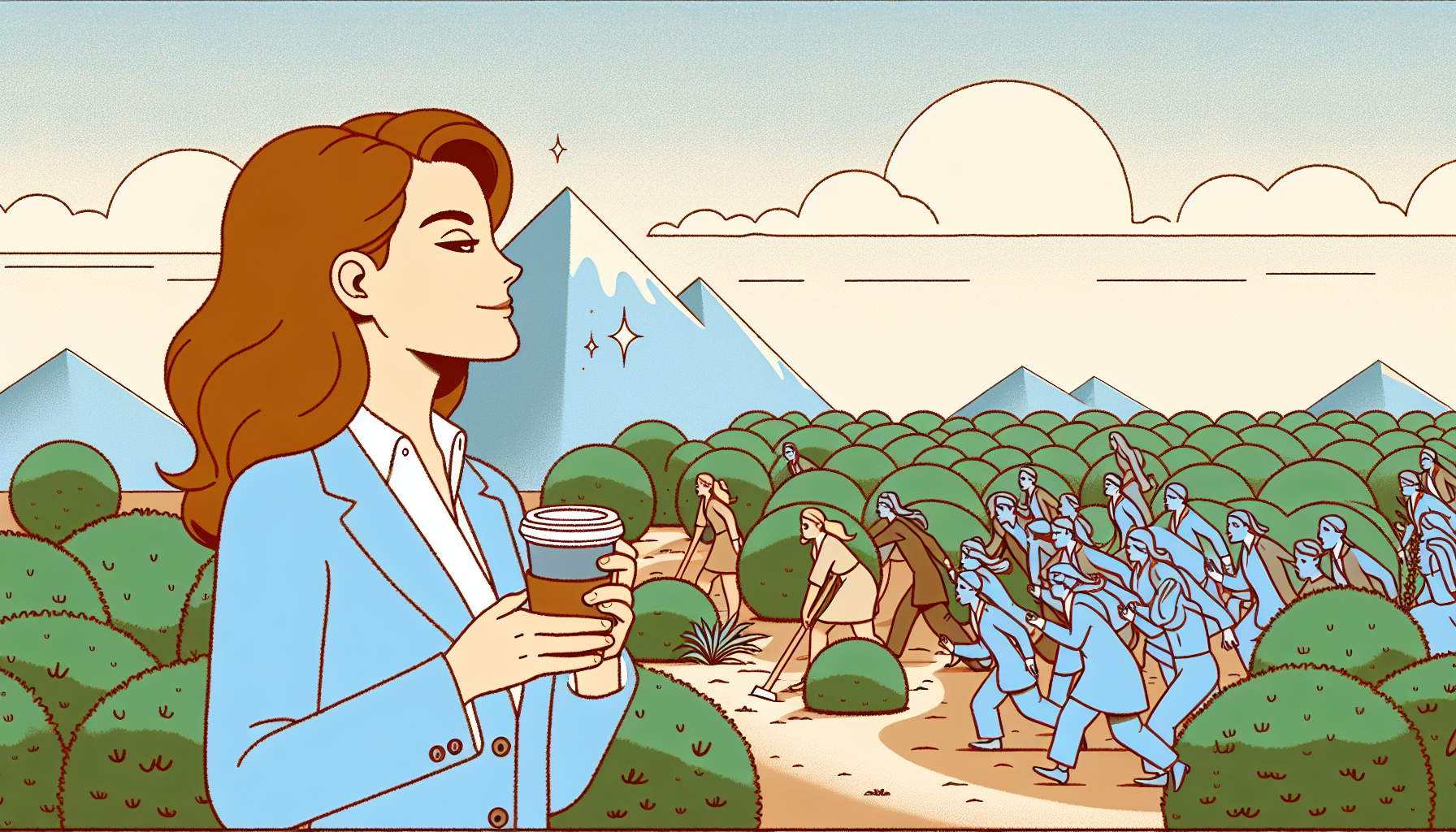
But here’s where the story gets interesting. Instead of just working harder to find more golf balls, Warren started thinking differently. What if he hired other kids to collect the balls while he focused on finding new golf courses? What if he bought the cleaning equipment and let others use it for a cut of the profits?
Suddenly, Warren wasn’t trading his time for golf ball money. He was earning money from a system he owned. While other kids were still crawling through bushes, Warren was building something that worked without him.
This shift — from doing the work to owning the system — is how people create time to build wealth.
The golf balls were never the point. The system was the point.
Why Your Time Belongs To Someone Else
Most people wake up and immediately start working for everyone except themselves.
They work eight hours for their employer. Then they spend their evening paying bills (working for their landlord, their bank, their insurance company). Then they squeeze in some rest so they can repeat it tomorrow.
Where in this cycle do they work for themselves? Where do they invest in assets that could eventually free them from the cycle?
Here’s the brutal truth: if you don’t own anything that generates cash flow, your time will always belong to someone else.
**Why wealthy people have more time** isn’t because they work less. It’s because they own more. Their assets work while they sleep.
The Compound Effect of Creative Energy
When you’re not scrambling to pay bills, something magical happens. You start thinking creatively instead of just reactively.
You notice opportunities instead of just problems. You ask “What if?” instead of “How will I survive this week?”
This creative energy compounds. One good idea leads to another. One small investment teaches you about the next one. One stream of passive income gives you the confidence to build another.
But none of this happens while you’re stuck in survival mode, trading every hour for grocery money.
The One Thing To Remember
**The wealthy don’t have more hours in their day — they have more ownership in their life.** Every dollar that flows to you instead of away from you is an hour of freedom you’ve bought back. **Building wealth through ownership** isn’t about getting rich quick; it’s about gradually shifting from selling your time to owning things that generate value without your constant presence.
Here’s what you can start today:
Before you pay any bills this month, invest something — even $50 — in an asset that could eventually generate cash flow
Identify one skill or piece of creative work you could systematize or sell repeatedly instead of trading hourly
Calculate exactly how much of your paycheck goes to other people’s assets (rent, car payments, subscriptions) — let this motivate you to own something yourself