The Question That Haunts Every Paycheck
My friend Marcus — 29, software engineer in Denver — called me last Tuesday around 10 PM. He’d just finished his third 60-hour week in a row, debugging code for a fintech startup that would probably IPO next year and make the founders millionaires.
“I make $120,000 a year,” he said. “More than my dad ever made. But I feel like I’m running in place.”
He wasn’t wrong. After rent, student loans, car payments, groceries, and the dozen other bills that arrive every month, Marcus had maybe $800 left over. On good months. And that assumed nothing broke, nobody got sick, and he didn’t want to do anything fun.
“I work more than anyone I know,” he said. “Why does it feel like I’m getting nowhere?”
I knew exactly what Marcus meant because I’d asked the same question at 28, making good money but watching it vanish before I could even think about building wealth.
Why I Used to Wonder About Famous Singers
Years ago, I had this thought that wouldn’t leave me alone. Why do famous singers and movie stars make so much money? Even the ones who aren’t particularly talented or hardworking?
I mean, I knew plenty of people who worked harder than any celebrity. Construction workers who started at 5 AM. Nurses pulling double shifts. Teachers staying late to grade papers. All of them more dedicated, more essential, more deserving than some pop star who lip-syncs through concerts.
But the pop star buys a $50 million house while the construction worker struggles to afford his mortgage.
What’s the difference?
Here’s what I figured out, and it changed everything about how I think about money: **The difference isn’t effort. It’s not even talent. The difference is demand.**
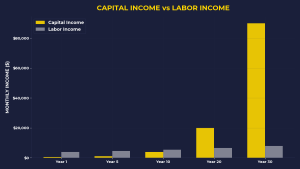
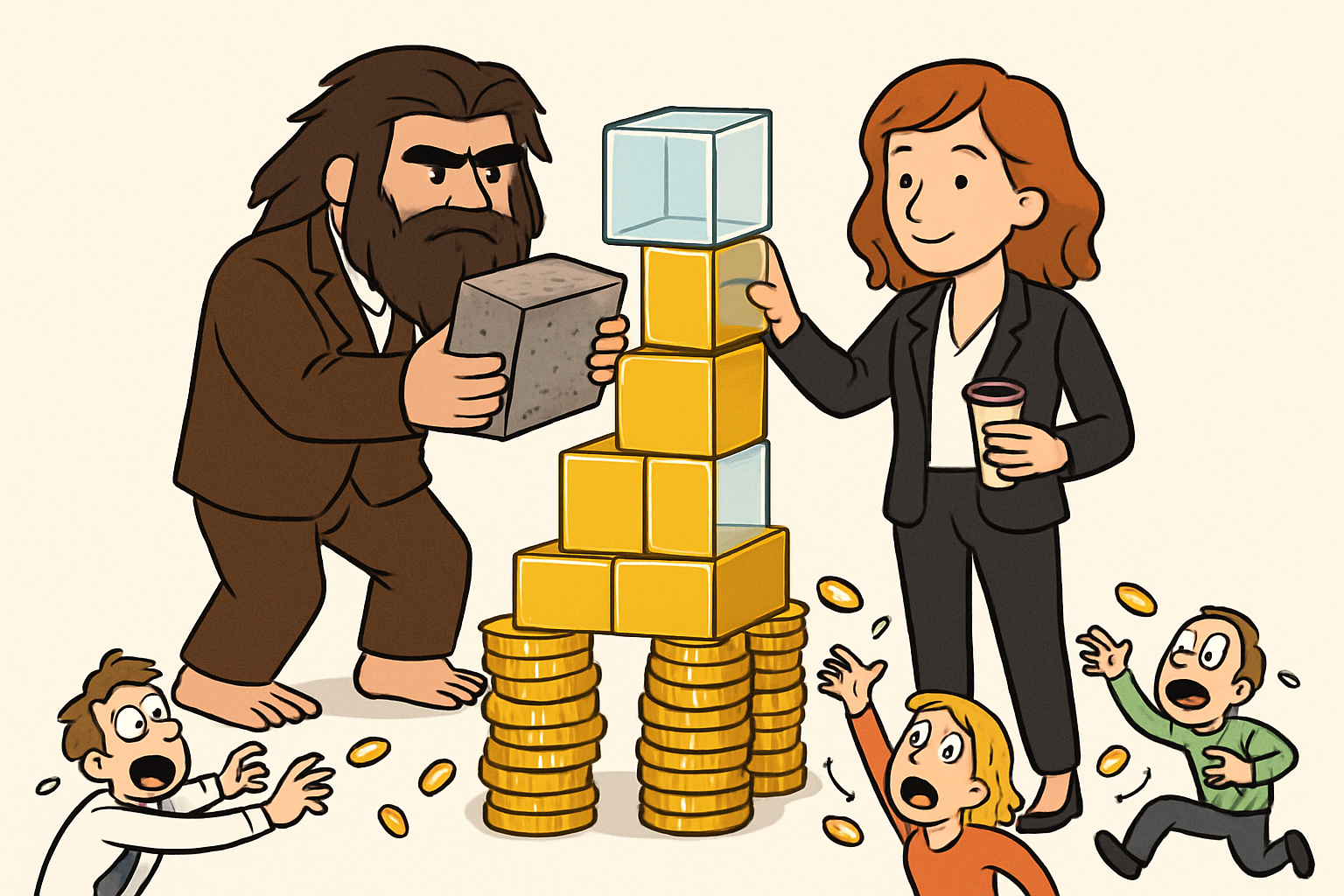
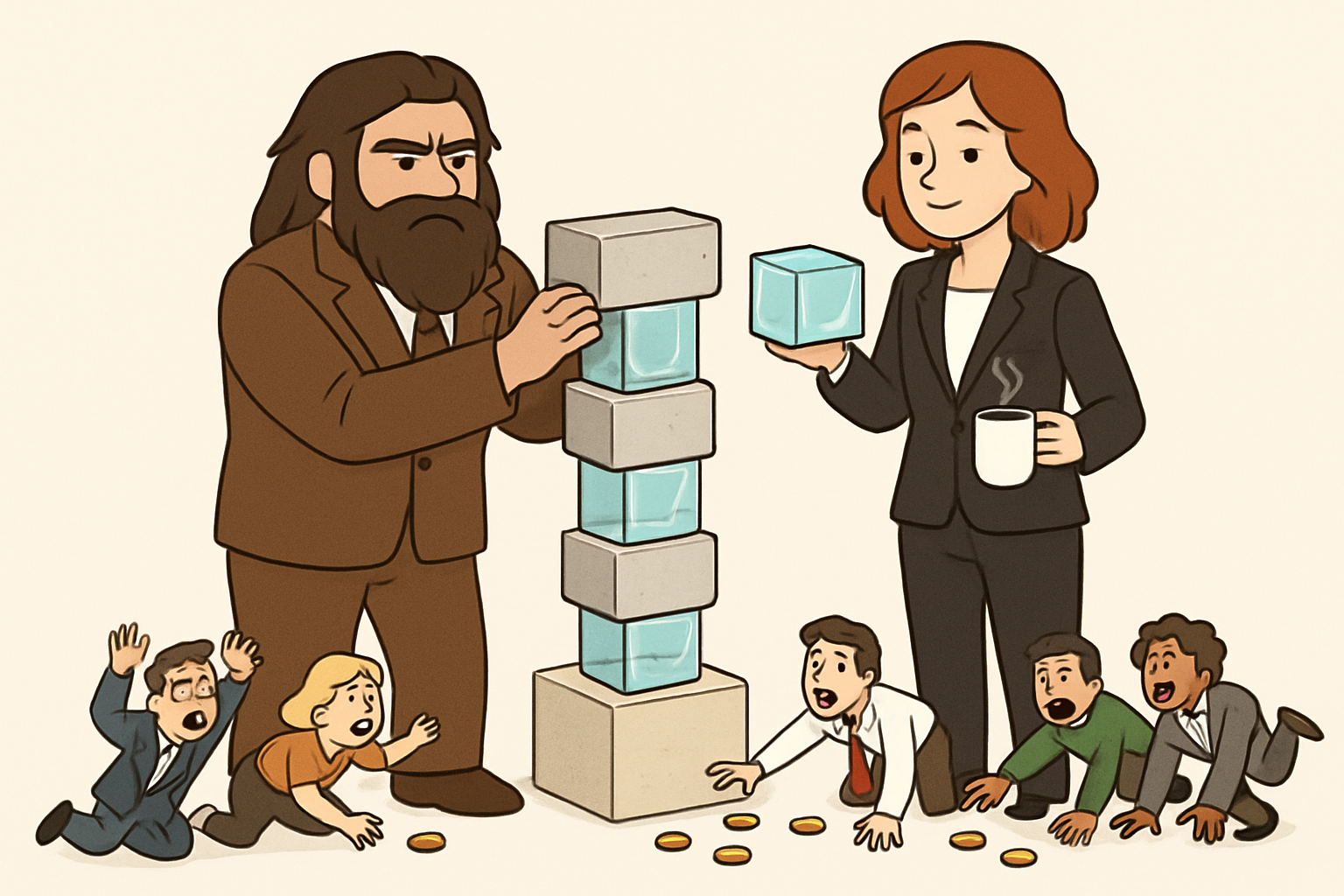
When millions of people want what you have, you own capital. When you’re one person selling your time to someone else, you own labor.
Capital is stored demand. Labor is just… labor.
The Bills That Reveal Everything
Look at your bank statement from last month. I’m serious — pull it up right now.
Rent or mortgage payment to a property owner. Car payment to a bank. Netflix subscription to a tech company. Grocery bill to a retailer. Phone bill to a telecom giant. Insurance payments to an insurance company.
Every single one of those charges represents demand flowing from your bank account to someone who owns capital.
You wake up Monday morning, drive to work, sit through meetings, write emails, solve problems, create value. Then your paycheck gets deposited on Friday. But before you even see that money, it’s already been claimed by capital owners.
The property owner gets their cut. The bank gets theirs. The insurance company, the utility companies, the subscription services — they all get paid before you get to decide what to do with your own earnings.
You’re not buying things. You’re paying invoices from people who own the things you need.
That’s the system. You create value, they collect payments.
The Day I Stopped Paying Everyone Else First
Three years ago, I was living in a studio apartment in Austin, making decent money as a freelance writer but watching it disappear into the same monthly ritual. Rent, car, groceries, subscriptions, bills, bills, bills. Always something urgent demanding payment.
Then I read about Robert Kiyosaki’s bankruptcy story. When his business failed and he and his wife were living in a friend’s garage, getting bombarded with bills they couldn’t pay, he did something that sounded insane.
He paid himself first.
Not rent. Not groceries. Not the most urgent bill. Himself. Every dollar he earned, he took a portion and invested it in assets — stocks, real estate, anything that might generate income later.
When the bills piled up and there wasn’t enough money left, he took night and weekend jobs to cover them. Lawn care, odd jobs, whatever it took. But the investment money was untouchable.
I thought this was crazy until I tried it.
The next month, when my freelance payments came in, I immediately transferred $500 to a brokerage account. Before rent. Before groceries. Before anything.
Then I had to figure out how to cover my bills with what was left.
Wild, right? But here’s what happened: I got creative. I took on an extra project. I ate out less. I found ways to make the remaining money work because I had to.
More importantly, I started owning tiny pieces of companies that were collecting payments from other people the way landlords and banks had been collecting from me.
What Capital Actually Is (And Why You Don’t Own Any)
Think about Warren Buffett as a kid, selling golf balls he found around the local golf course. Twelve balls for six dollars. He’d spend his afternoons crawling through bushes and wading into water hazards, cleaning up what he found, then selling them to golfers who needed replacements.
Pure labor, right? Time traded for money.
But here’s the twist: Buffett took that money and bought income-generating assets. A pinball machine he rented to a barbershop. Farmland. Eventually, shares of companies.
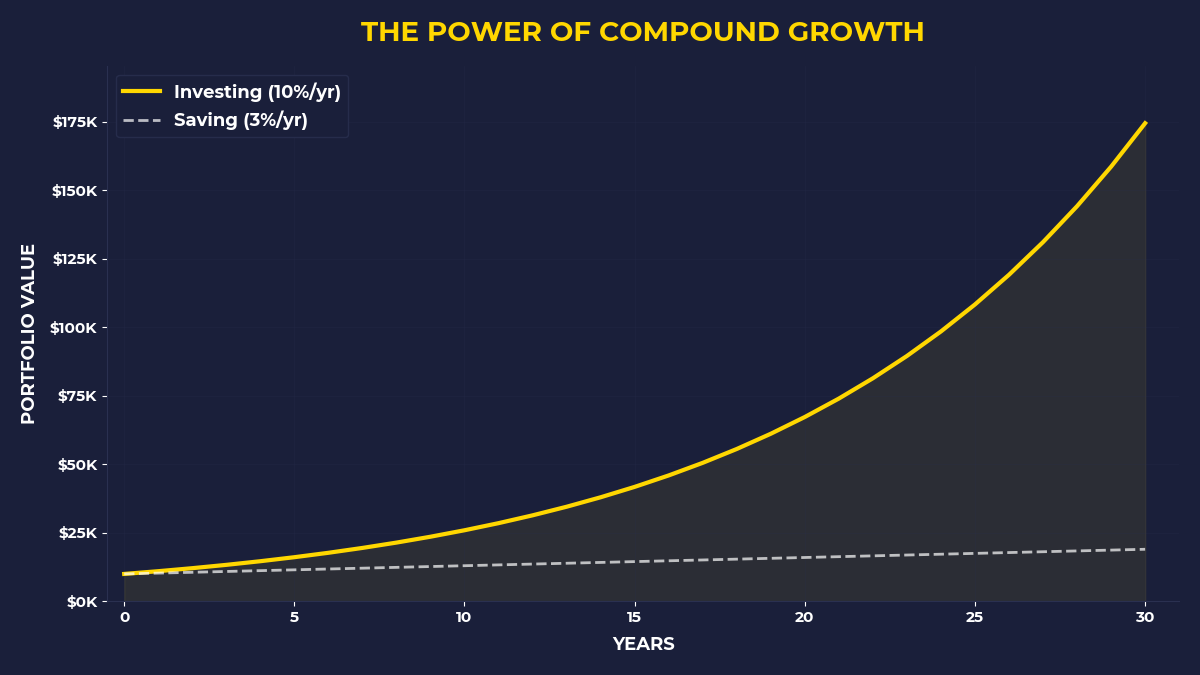
Those assets generated cash flow. He used that cash flow to buy more assets. Then those assets generated more cash flow, which he used to buy even more assets.
That’s compound capital formation. The money makes money, which makes more money.
But what if young Warren had hired friends to find and clean the golf balls while he focused on sales and expansion? What if he’d created a system that worked without him?
Then he would have owned capital, not just operated a job.
The difference is leverage. When other people’s work generates your income, you own capital. When your work generates someone else’s income, you’re selling labor.
The Question That Changes Everything
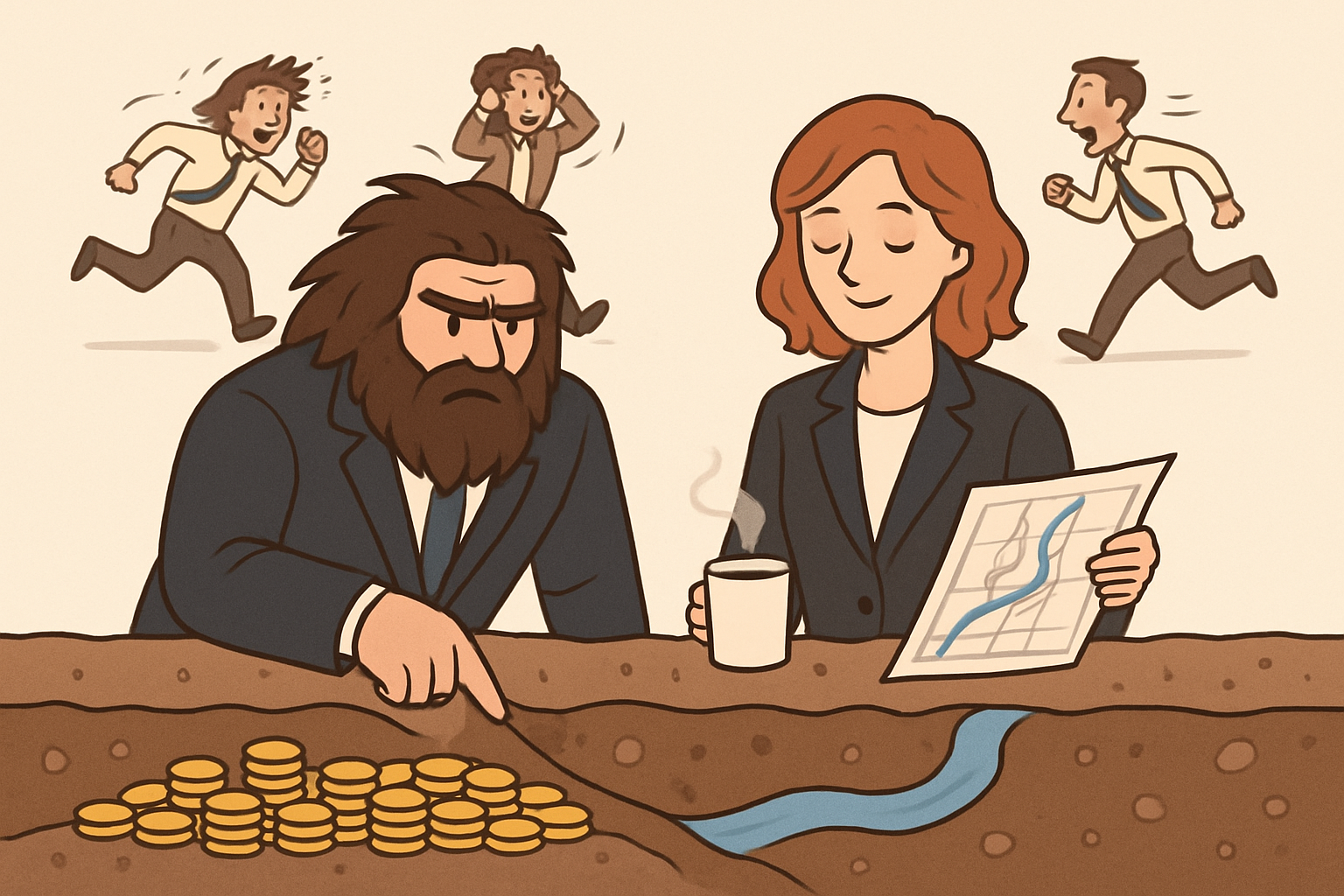
Most of us spend our lives asking: “What should I do to make money?”
Get a better job. Learn new skills. Work overtime. Start a side hustle. All variations on the same theme: trade more time and effort for more income.
But capital owners ask a different question: “What should I buy?”
They don’t think about working harder. They think about acquiring assets that generate demand. Stocks in companies people need. Real estate in places people want to live. Intellectual property that creates ongoing revenue streams.
They’re not trying to do more. They’re trying to own more.
When you buy shares of Apple, you own a tiny piece of the ecosystem that generates billions in demand from iPhone users, app developers, and content creators. You don’t have to design phones or write code. You just collect a proportional share of the profits.
When you buy an index fund, you own pieces of hundreds of companies that employ millions of people working to generate profits for shareholders. You benefit from their labor the same way landlords benefit from your rent checks.
The system starts working for you instead of against you.
Why Creative Work Beats Repetitive Labor
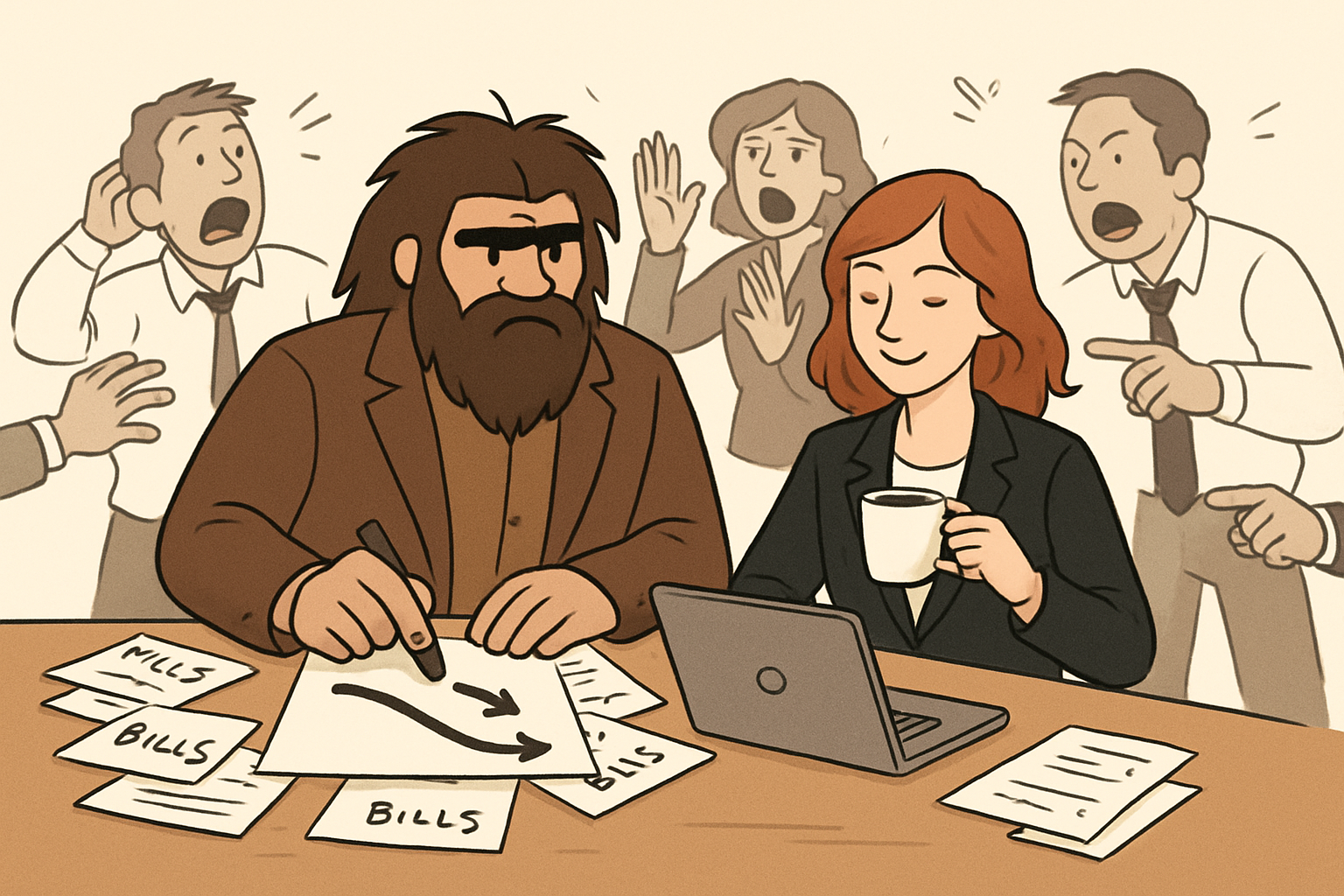
Here’s something I noticed about Marcus and his 60-hour weeks: All that extra time was spent on repetitive tasks. Debugging the same types of problems. Attending the same types of meetings. Writing the same types of code.
He was trading more time for more money, but he wasn’t creating anything that would pay him later.
Compare that to building something you own. Writing a book that generates royalties. Creating software that people subscribe to. Building a YouTube channel that earns ad revenue. Buying rental property that generates monthly income.
These activities require upfront creative work, but they create assets that can pay you repeatedly without additional time investment.
That’s the difference between a job and capital. Jobs pay you for time. Capital pays you for ownership.
Most people never make this transition because they never have time to create. They’re too busy trading all their available time for immediate income to invest in building assets that could generate future income.
The One Thing You Must Remember
**Capital is stored demand. When people need what you own, you have capital. When you need what other people own, you’re sending them your capital.** The goal isn’t to work harder or earn more from your job. The goal is to gradually flip which side of this equation you’re on. Every month, a little more of your money should go toward owning pieces of things that other people pay to use, rather than paying to use things that other people own.
• This month, before paying any bills, move some amount — even $50 — into a brokerage account and buy index fund shares
• When you get your next paycheck, ask “What can I buy?” before asking “What do I need to pay?”
• Start measuring wealth by what percentage of your monthly expenses could be covered by investment income, not by how much you earn from work
🎬 Prefer watching? Check out the video version on YouTube:
👉 https://www.youtube.com/@PrimalContrarian
Subscribe for daily insights on capital, wealth, and contrarian thinking.