Marcus — 29, software engineer in Denver — checked his retirement account balance for the first time in eight months. March 2020. The number made his stomach drop. Down $47,000 in three weeks.
He did what felt logical: sold everything.
Two days later, the market started its historic recovery. By December, Marcus had missed out on $83,000 in gains. The same money he “protected” by selling was now sitting in a savings account earning 0.1% while the investments he’d dumped climbed 67%.
Marcus called me that winter, voice shaking with frustration. “I’m smart,” he said. “I build complex systems for a living. How did I make such a stupid decision?”
Here’s the thing. Marcus isn’t stupid. His brain was doing exactly what evolution programmed it to do.
I Made The Same Mistake (Three Times)
I know exactly how Marcus felt because I was there too.
2008. I was 25, watching my first real investment portfolio crater. Every day brought fresh horror stories: Lehman Brothers, Bear Stearns, friends losing jobs. My primitive brain screamed one message: GET OUT.
So I did. Sold my index funds at a 42% loss and stuffed the cash under my metaphorical mattress.
The market recovered. I stayed scared. By 2012, I’d missed four years of the greatest bull market recovery in modern history. That fear cost me roughly $127,000 in compound growth.
But wait, it gets worse.
2016: Brexit vote. Sold again. 2018: Trade war fears. Sold again. Each time, my brain convinced me I was being rational, protecting myself from “obvious” danger.
Each time, I was dead wrong.
Your Ancient Brain Versus Modern Markets
Want to understand why smart people make terrible money decisions?
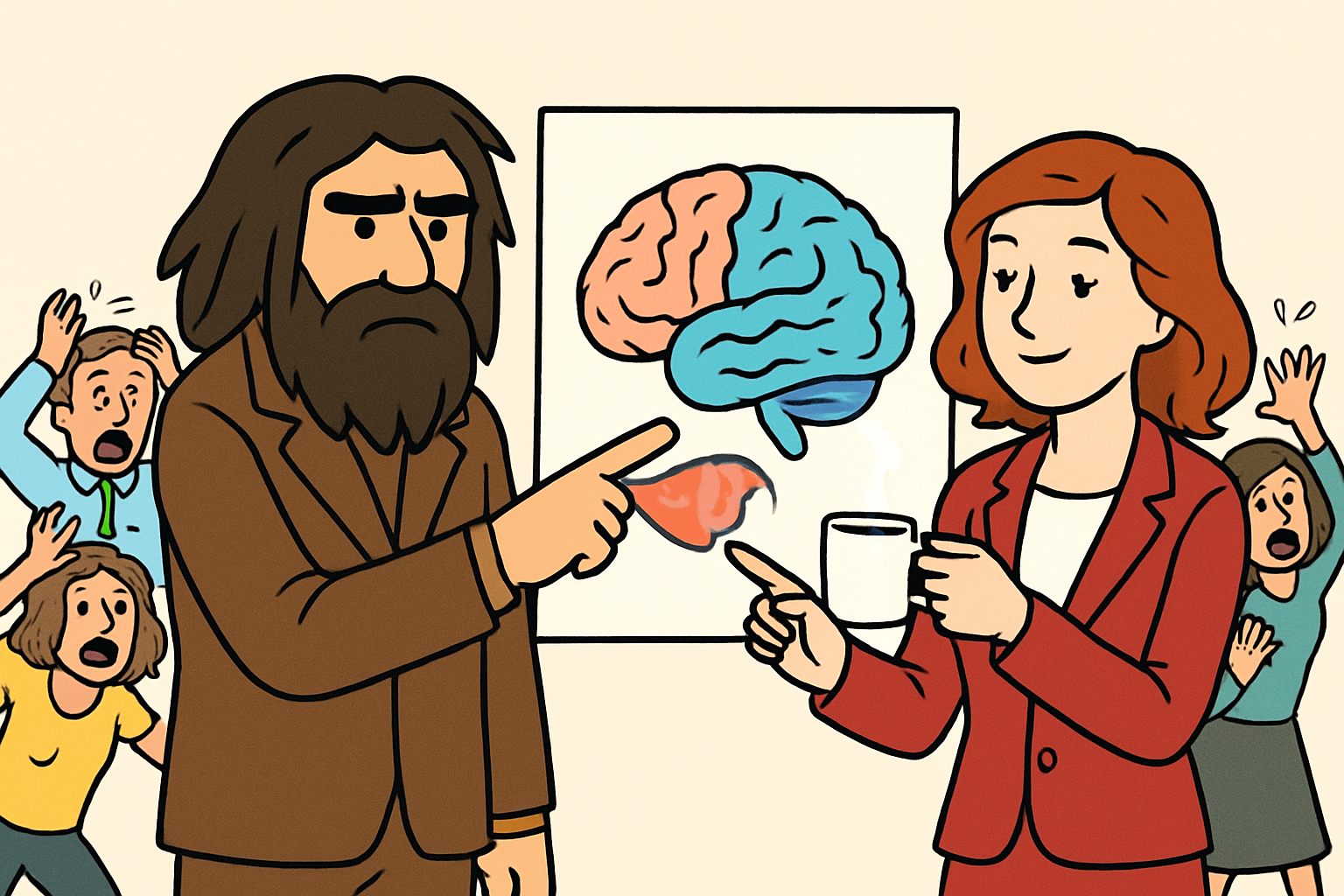
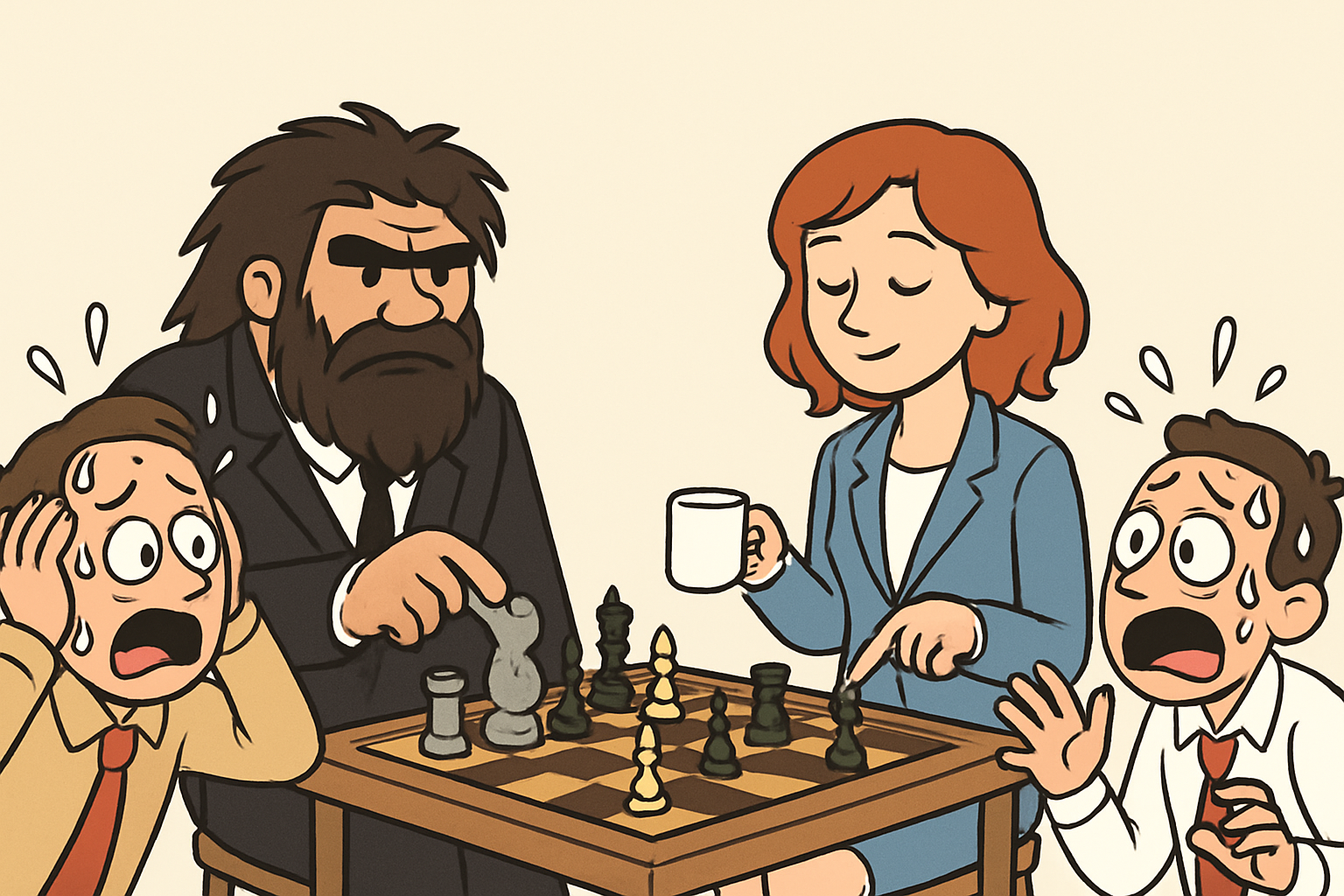
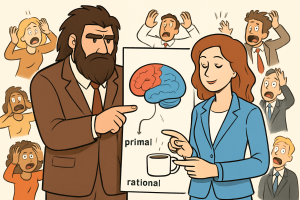
Your brain evolved 200,000 years ago to keep you alive on the African savanna. Back then, if you saw a rustling bush, you had two choices: assume it’s a lion and run, or assume it’s wind and maybe get eaten.
The cautious humans survived. The optimistic ones became lunch.
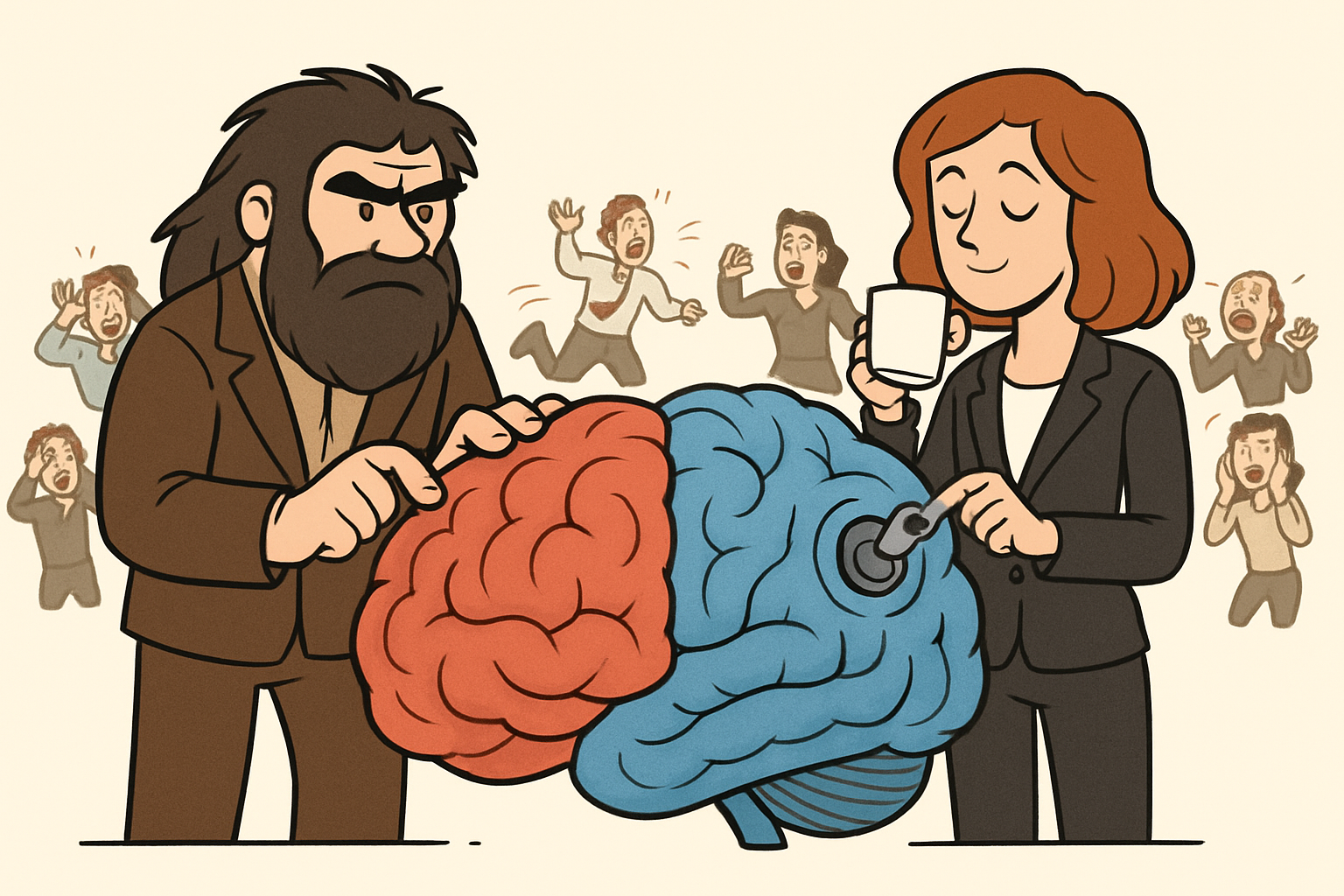
Fast-forward to today. That same survival wiring fires when you see red numbers on a screen. Your amygdala — the brain’s alarm system — can’t tell the difference between a market crash and a charging predator.
It screams: DANGER. ESCAPE. SAVE YOURSELF.
This is called loss aversion, and it’s just one of dozens of cognitive biases that sabotage your wealth.
Research shows people feel losses twice as intensely as equivalent gains. Lose $1,000? That pain registers like losing $2,000. Make $1,000? It only feels like winning $500.
No wonder we panic-sell and miss recoveries.
The Confirmation Bias Trap
After Marcus sold in March 2020, something interesting happened. He became obsessed with finding information that proved he’d made the right choice.
Financial doom blogs. Crash prediction videos. Expert forecasts about the “coming collapse.”
Every bearish headline felt like validation. Every optimistic report got dismissed as “manipulation” or “fake news.”
This is confirmation bias in action. Once we make a decision — especially a costly one — our brains work overtime to prove we were right.
Think about that. Marcus wasn’t researching whether to get back into the market. He was researching why staying out was smart. His brain had already decided; now it was just collecting evidence to support that decision.
I watched Marcus ignore 15 months of market gains because admitting he was wrong felt worse than missing out on wealth.
That’s the confirmation bias trap: we’d rather be consistently wrong than admit we made a mistake.
The Herd Mentality That Keeps You Poor
Here’s something wild about human psychology: we’re more comfortable being wrong with the crowd than being right alone.
March 2020 wasn’t just Marcus selling. Everyone was selling. Financial media was apocalyptic. Friends were moving money to cash. Social media was pure panic.
Selling felt safe because everybody else was doing it.
This is social proof bias. In uncertain situations, we look to others for cues about how to behave. If everyone’s running for the exits, our brains assume there must be a fire.
But here’s the cruel irony: in markets, the crowd is almost always wrong at the extremes.
When everyone’s buying, prices are inflated. When everyone’s selling, bargains are everywhere. The best investment decisions feel lonely and uncomfortable.
Warren Buffett figured this out decades ago: “Be fearful when others are greedy, and greedy when others are fearful.”
Sounds simple. Try doing it when your neighbor just lost his job and CNBC is showing red numbers all day.
Why Your Recency Bias Costs You Compound Returns
Let me tell you about Sarah — 31, marketing manager in Austin. Smart woman. MBA from UT. Makes solid money.
But she won’t invest in stocks because “the market is too risky.”
When I asked why, she mentioned 2008. “My parents lost half their retirement savings. I saw what stocks do to people.”
Here’s the thing: Sarah was 15 in 2008. She didn’t lose any money. But that dramatic event — watching her parents stress about their 401(k)s — shaped her entire relationship with investing.
This is recency bias. Our brains overweight recent dramatic events when making decisions.
Sarah’s been keeping her money in savings accounts for 13 years, earning effectively nothing after inflation. She’s so focused on avoiding the 2008 crash that she’s guaranteed herself a different kind of loss: the slow erosion of purchasing power.
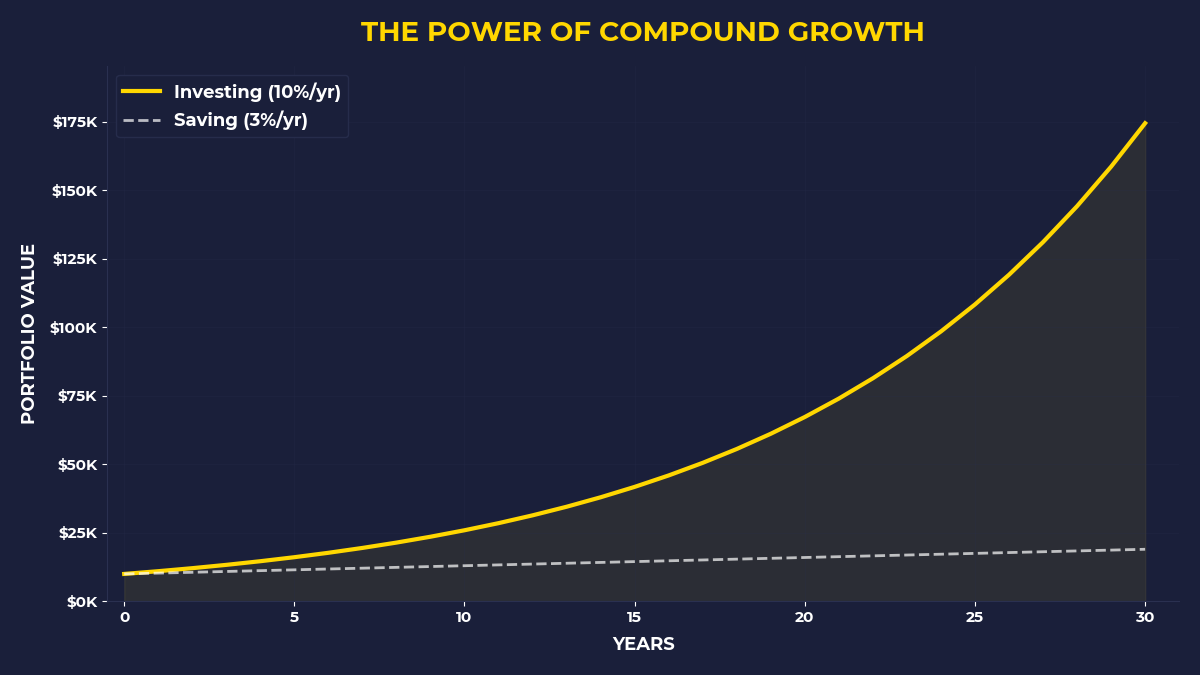
From 2009 to 2024, the S&P 500 averaged 13.8% annual returns. Sarah’s “safe” money market account averaged 0.7%.
On $50,000 invested over that period, stocks would have grown to roughly $487,000. Her safe money? About $55,000.
That’s $432,000 in opportunity cost because her brain couldn’t distinguish between temporary volatility and permanent loss.
The One Reframe That Changes Everything
Want to know the difference between people who build wealth and people who stay stuck?
It’s not intelligence. It’s not income. It’s not timing.
It’s understanding that your brain is not your friend when it comes to money decisions.
Every instinct that kept your ancestors alive — fear of loss, following the crowd, focusing on recent dangers — works against you in modern markets.
Building wealth requires you to act opposite to what feels natural.
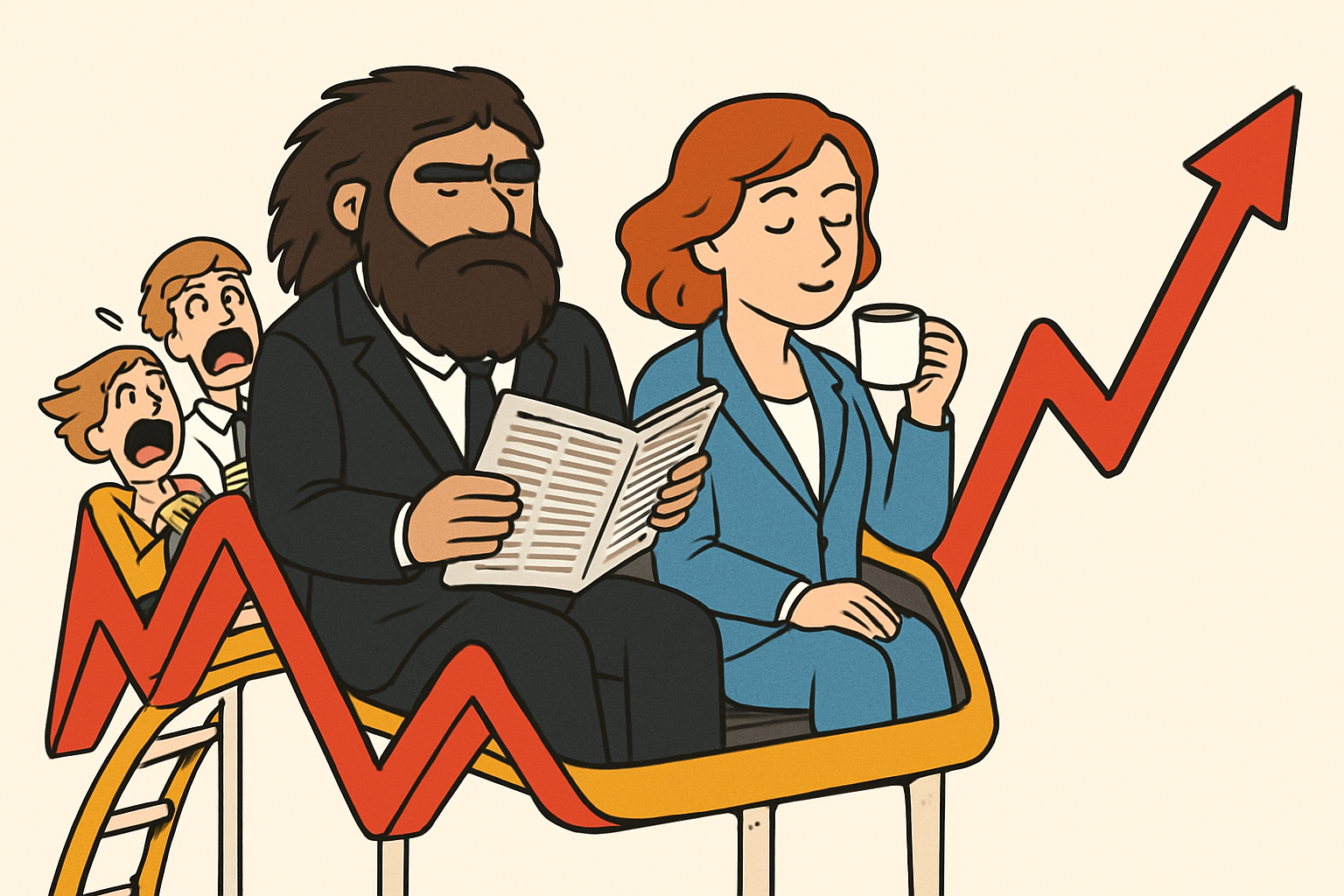
When markets crash and your gut says “sell,” wealth-builders buy more.
When everyone’s talking about how “different” this time is, wealth-builders remember that it never is.
When your brain shows you a scary news headline and triggers panic, wealth-builders ask: “Is this permanent change or temporary noise?”
This isn’t about becoming emotionless. It’s about recognizing that your emotional reactions to money are often exactly wrong.
Your Brain Versus Your Future Self
Here’s what I’ve learned after 15 years of making expensive psychological mistakes:
Every dollar you don’t invest because of fear is a dollar your future self will never have. Every stock you sell in a panic is equity you’re handing to someone braver than you. Every year you wait for the “perfect time” to start is a year of compound returns you’ll never recover.
Marcus finally got back into the market in late 2021. By then, he’d missed almost two years of gains. His $47,000 loss from selling turned into a $97,000 opportunity cost from staying out.
But here’s what changed for him: he stopped trusting his instincts about money.
Now he has rules. Automatic investments every month, regardless of headlines. No financial news during market hours. A written investment plan he references instead of his emotions.
He’s built systems to protect himself from his own brain.
If You’re Someone Who Makes Smart Decisions In Every Other Area Of Life
If you’re reading this, you’re probably like Marcus and Sarah and me. Smart, capable, successful in most areas of life.
But when it comes to money, you keep making decisions that feel right in the moment and look stupid in hindsight.
Here’s what you need to understand: this isn’t a character flaw. It’s biology.
Your brain’s primary job is keeping you alive today, not making you rich in 30 years. The psychological shortcuts that help you navigate daily life become expensive traps in financial markets.
The solution isn’t to fight your psychology. It’s to build systems that work with it.
The One Thing To Remember
Your brain will trick you into making terrible money decisions for your entire life. Fear will make you sell low. Greed will make you buy high. The crowd will lead you off cliffs. Your gut instincts about money are reliably wrong.
But once you accept this, you can start building wealth despite your psychology, not because of it.
Set up automatic investments that don’t require daily decisions
Write down your investment plan when markets are calm, then follow it when markets are chaotic
Stop consuming financial media that triggers your emotional responses
🎬 Prefer watching? Check out the video version on YouTube: