The Six-Month Safety Net That Became a Twenty-Year Prison
Marcus — 41, software engineer in Denver — called me last Tuesday night. His voice had that flat, defeated tone I’ve heard before. “I’ve got $47,000 in my savings account,” he said. “Six months of expenses, just like everyone told me. But my rent went up again, my car needs $3,200 in repairs, and I feel broker every month.”
Here’s what broke my heart: Marcus was proud of that emergency fund.
He’d spent eight years building it up, $500 at a time. Every financial advisor, every blog, every YouTube guru had told him the same thing: save six months of expenses before you do anything else. Marcus followed the rules perfectly. And the rules had turned him into a professional cash hoarder.
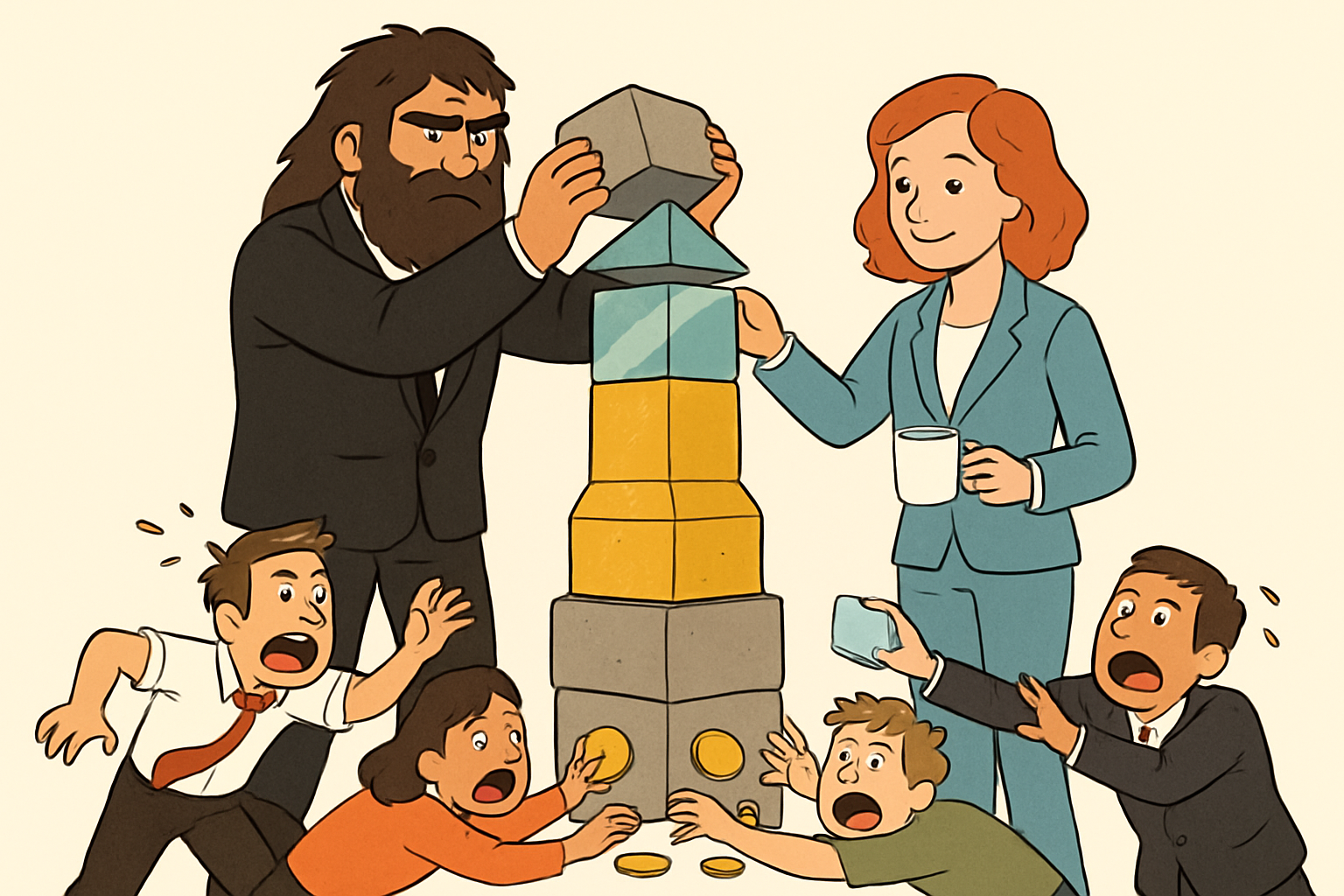
While Marcus was stuffing money under his mattress, his landlord was getting richer every month.
I Was a Cash Hoarder Too
Look, I get it. I was Marcus once.
In 2018, I had $23,000 sitting in a savings account earning 0.15% interest. I felt so responsible. So prepared. I’d read all the same advice Marcus had: emergency fund first, then everything else. I was following the script to financial security.
What I didn’t realize was that my emergency fund was an emergency — for my wealth.
Every month, I was sending money to my landlord, my car payment company, my insurance company, Netflix, Spotify, my grocery store, my gym. All of these payments flowed to people who owned capital. People who owned the things I needed.
And me? I owned cash. Which was losing value every single day.
The brutal truth hit me one morning when I calculated the numbers. My $23,000 emergency fund, after two years of “safety,” had the purchasing power of $21,800. Meanwhile, my monthly bills — which all went to capital owners — had increased by 11%.
I wasn’t building wealth. I was funding other people’s wealth while my own money rotted.
What Emergency Funds Really Train You to Do
Emergency funds teach you one skill above all others: how to hoard cash while everyone else builds capital.
Think about what happens when you follow traditional emergency fund advice. You get your first paycheck. The financial gurus tell you to put $400 into savings before you pay any bills. Sounds responsible, right?
Wrong.
Here’s what actually happens: You save $400. Then you pay rent to someone who owns real estate. You pay your car loan to someone who owns debt instruments. You pay for groceries at a store owned by shareholders. You pay for Netflix, owned by shareholders. Your gym membership, owned by shareholders.
Every dollar you spend after building your emergency fund goes to people who own capital. The capital you could have bought with that $400.
Your emergency fund trains your brain to think like this: “First, I’ll set aside money that earns nothing. Then, I’ll send the rest to people who own productive assets.”
You’re literally training yourself to be last in line for wealth.
The Question That Changes Everything
Want to know the difference between people who build wealth and people who stay broke forever?
It’s the question they ask when money comes in.
Most people ask: “How much should I save?”
Capital owners ask: “What should I buy?”
This isn’t just a mindset shift. It’s a complete reversal of financial priorities. When Marcus got his paycheck, his first thought was always: “How much can I add to my emergency fund?” When his landlord got that rent check, his first thought was: “What property should I buy next?”
One of them was building capital. The other was building a cash pile that lost value every month.
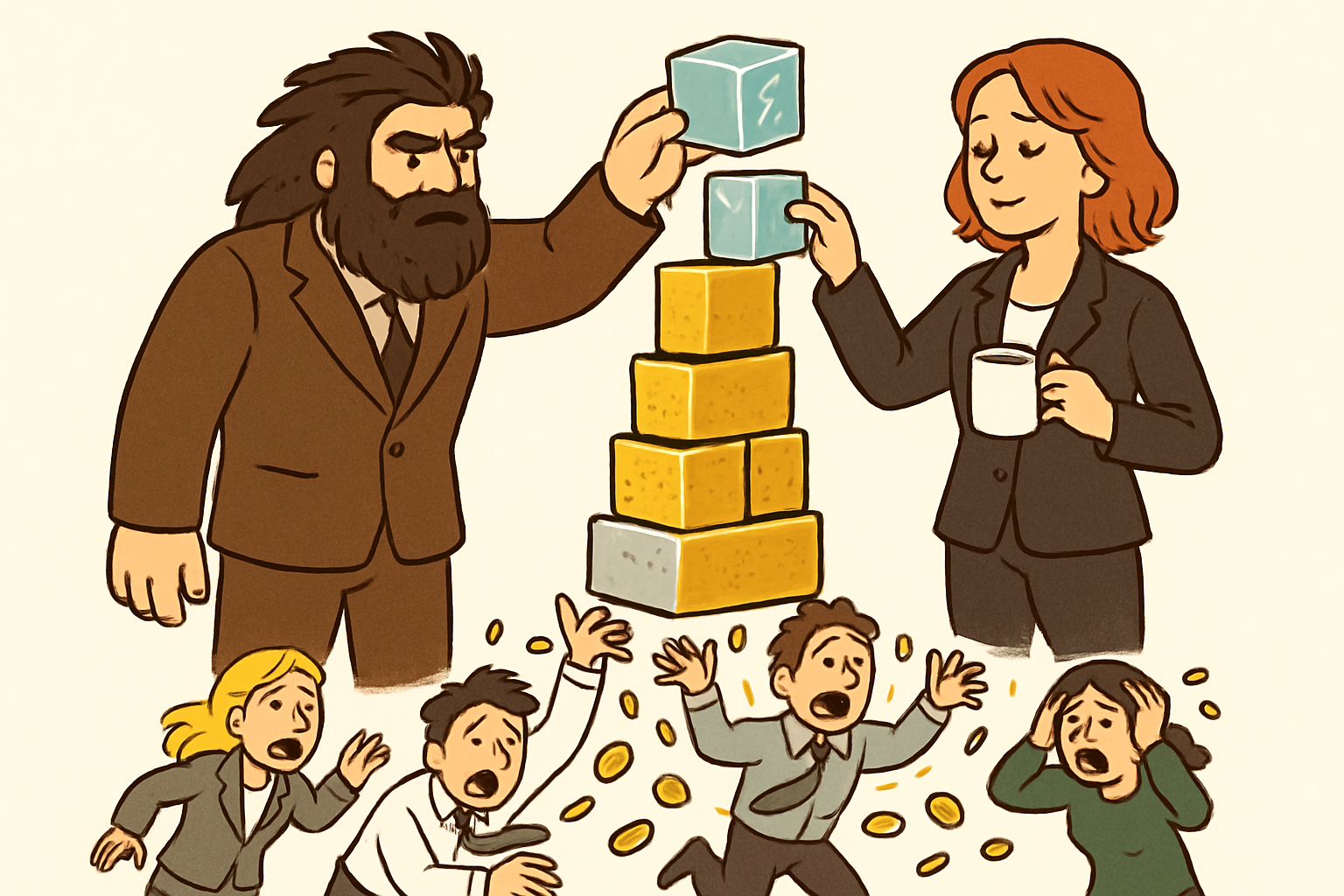
The emergency fund mythology tells you to be prepared for disaster. Capital thinking tells you to be prepared for opportunity. When everyone else is scared and hoarding cash, capital owners are buying assets at discount prices.
I learned this the hard way during the March 2020 crash.
While people with emergency funds were adding to their cash piles “just in case,” people who understood capital were buying stocks at 30% discounts. By December 2020, the cash hoarders had the same amount of money they started with. The capital buyers had 40% more wealth.
But What About Real Emergencies?
Here’s what the financial advice industry doesn’t want you to know: most “emergencies” aren’t actually emergencies.
Your car needs $3,200 in repairs? That’s not an emergency — that’s a car ownership expense. Your AC breaks in July? Not an emergency — that’s a homeownership expense. You lose your job? Not an emergency — that’s an income interruption you can plan for.
Real emergencies — the kind that require immediate cash — are incredibly rare. And when they happen, credit cards exist. Yes, I said it. When you have a true emergency, using a credit card for 30-60 days while you liquidate investments is better than keeping $50,000 earning 0.5% for decades.
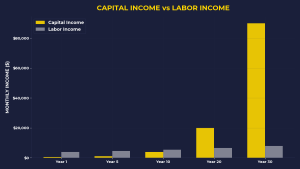
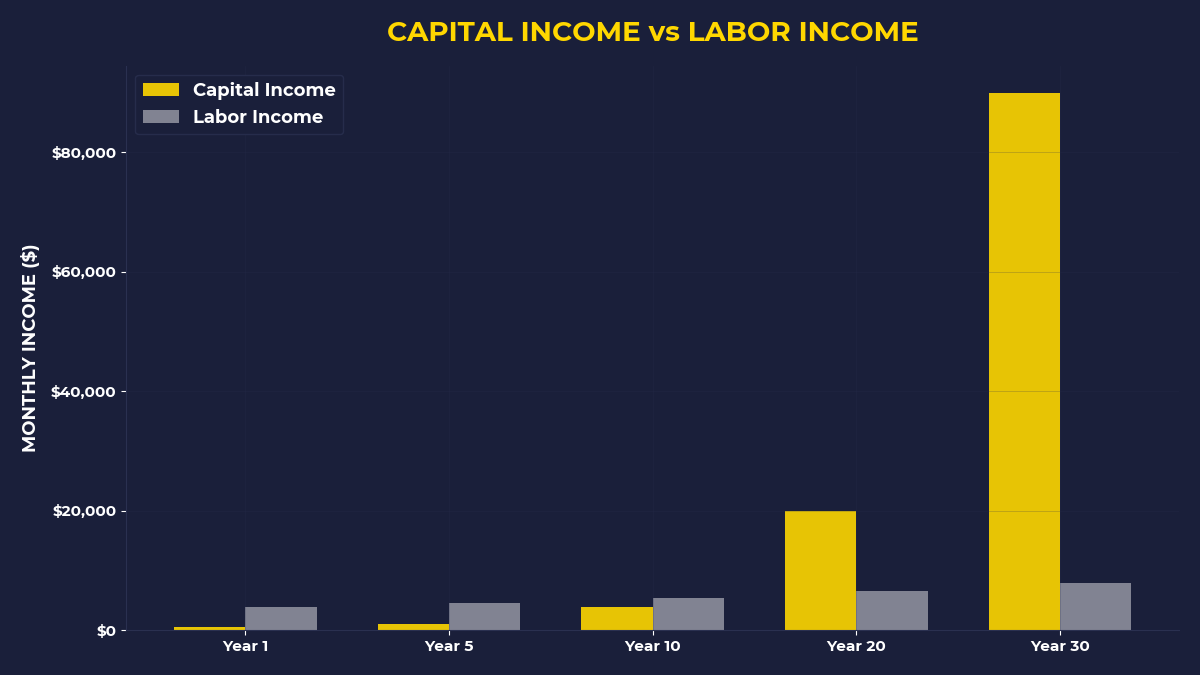
The math is simple. If you keep $50,000 in cash for 20 years earning 0.5%, you’ll have about $55,200. If you invest that same $50,000 in the S&P 500 and average 10% annual returns, you’ll have over $336,000.
That’s $280,800 you gave up for the privilege of feeling safe.
Capital Is Stored Demand
Here’s what I wish someone had told Marcus when he was 25 and starting his emergency fund:
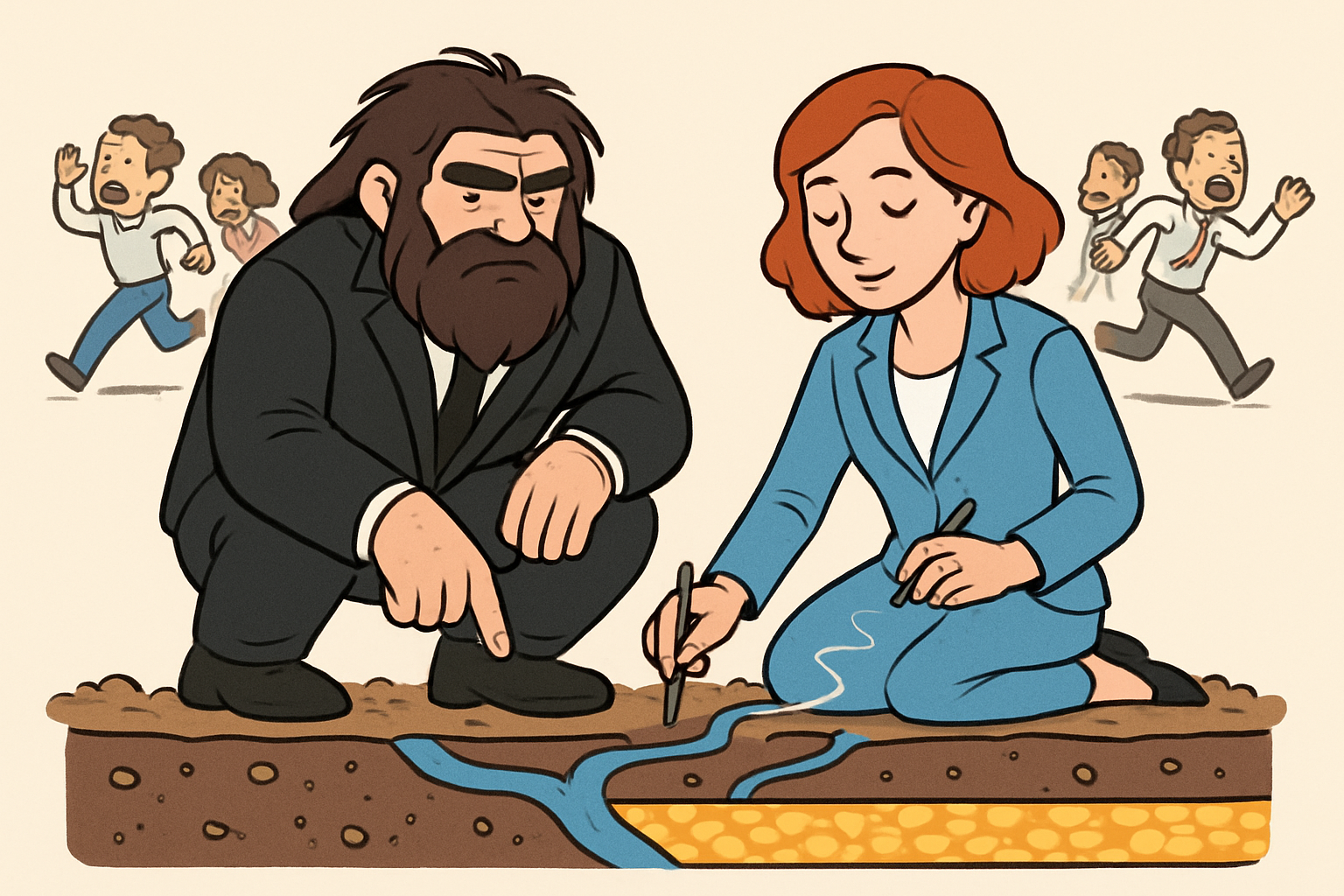
Capital isn’t money. Capital is stored demand.
When you own shares of Apple, you own a piece of something millions of people demand every day. When you own rental property, you own something people demand every month. When you own a business, you own something customers demand repeatedly.
Cash is the opposite of capital. Cash is stored nothing. It sits there, loses value to inflation, and generates no demand from anyone.
Every month, Marcus sent his rent check to someone who owned capital. His landlord used that money to buy more capital — more properties, more stocks, more assets that generate demand. Meanwhile, Marcus added to his pile of stored nothing.
Twenty years later, Marcus has $50,000 in cash. His landlord has a real estate empire.
The difference? His landlord understood that capital is stored demand, and demand always grows over time.
When people need what you own, you have capital. When people need what someone else owns, you pay them capital.
The Pay-Yourself-First Reversal
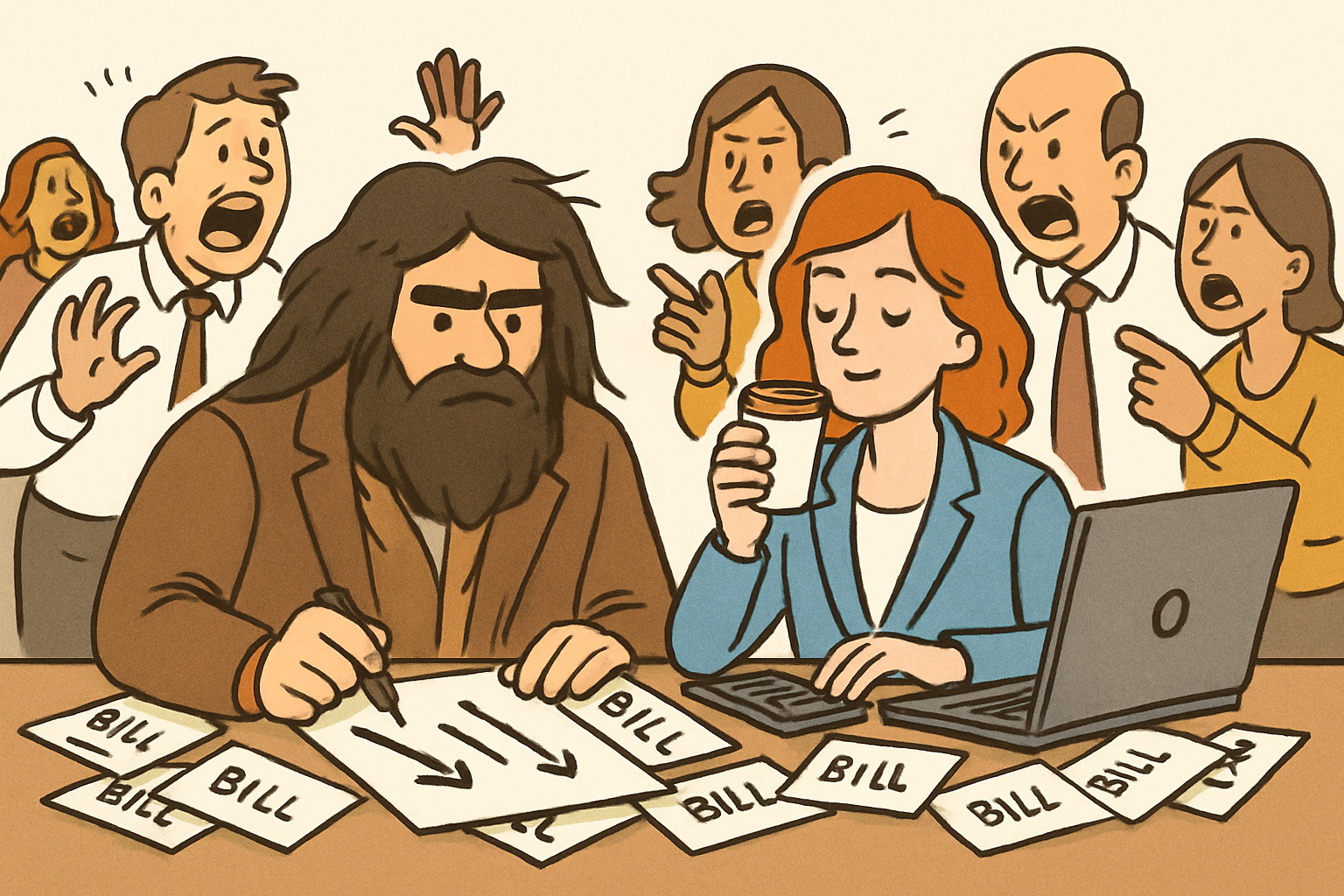
Robert Kiyosaki tells a story about when he and his wife were broke, living in a friend’s garage, and facing a stack of bills they couldn’t pay.
The normal advice would be: pay your bills first, save whatever’s left.
Kiyosaki did the opposite. Every dollar that came in, he paid himself first by buying assets. Then — and only then — he figured out how to pay the bills. Sometimes that meant taking odd jobs. Sometimes it meant negotiating payment plans. Sometimes it meant uncomfortable conversations.
But the pressure of unpaid bills forced him to find ways to make more money. The comfort of a full emergency fund would have eliminated that pressure — and the growth that came from it.
Here’s what blew my mind about this story: Kiyosaki was broke for about 18 months. But he ended those 18 months owning capital that generated income. If he’d followed traditional advice, he would have ended those 18 months with a small emergency fund and zero capital.
The temporary discomfort of having less cash created permanent wealth.
If You’re Someone Who Actually Wants to Build Wealth
This post isn’t for everyone.
If you’re someone who values the feeling of safety over the reality of wealth-building, keep your emergency fund. If you’re someone who wants to follow conventional wisdom even when conventional wisdom keeps you conventionally broke, this isn’t for you.
But if you’re someone who’s tired of watching your cash lose value while everyone else builds capital, if you’re someone who wants to switch from being the person who pays to being the person who gets paid, then maybe it’s time to question everything you’ve been taught about emergency funds.
Marcus spent eight years building his emergency fund. His landlord spent those same eight years building his real estate portfolio. One of them prepared for disaster. The other prepared for wealth.
Which one sounds like a better use of eight years?
The One Thing to Remember
Your emergency fund isn’t preparing you for financial disasters — it’s training you to think like someone who stays financially stuck forever. While you’re hoarding cash that loses value, capital owners are buying the assets that generate the income you’ll pay them with. Stop preparing for emergencies and start preparing for opportunities.
Here’s what you can do today:
• Calculate what your emergency fund has actually earned over the past five years (including inflation). Compare that to what the S&P 500 returned in the same period.
• Before you add another dollar to your emergency fund this month, buy $100 worth of an index fund or dividend-paying stock. Notice how different this feels from adding to your savings account.
• Ask yourself: “What would I buy if I had to choose between owning something or having cash?” Then explain why you’re not buying that thing right now.
🎬 Prefer watching? Check out the video version on YouTube:
👉 https://www.youtube.com/@PrimalContrarian
Subscribe for daily insights on capital, wealth, and contrarian thinking.