The Day Marcus Realized He Was Following The Wrong Plan
Marcus — 29, software engineer in Denver — sat in his Honda Civic outside Fidelity’s office last Tuesday, staring at a printout of his 401k statement. Three years of “smart” investing. Diversified portfolio. Target-date funds. Everything the HR lady recommended during orientation.
His account balance: $47,000. His rent over those same three years: $72,000.
He’d been faithfully funding someone else’s retirement plan — the fund managers, the financial advisors, the landlord — while his own wealth barely moved. The math was brutal and obvious. Marcus was following an investment philosophy, alright. Just not his own.
I Spent Five Years Building Warren Buffett’s Portfolio
I know exactly how Marcus felt because I made the same mistake for half a decade. I read every Berkshire Hathaway annual letter. Studied value investing. Built a portfolio of “wonderful companies at fair prices” — Buffett’s exact words echoing in my head every time I clicked buy.
The problem wasn’t that Buffett’s philosophy was wrong. The problem was that I wasn’t Warren Buffett.
I was a 26-year-old with $15,000 in savings, trying to invest like an 80-year-old with $100 billion. His investment philosophy made perfect sense for someone who could buy entire companies and hold them for decades. For someone like me, who needed to build capital from scratch, it was like trying to win a Formula 1 race with a bicycle.
Here’s the thing most people miss about investment philosophy: it’s not about finding the “best” approach. It’s about finding the approach that matches where you are and where you’re trying to go.
Why Everyone Else’s Philosophy Keeps You Poor
Walk into any bookstore and count the investment books. I did this last month — Barnes & Noble had 247 titles in their finance section. Each one promising “the secret” to building wealth. Each one written by someone whose circumstances were nothing like yours.
The index fund evangelists tell you to buy and hold for 30 years. Great advice if you’re 25 and can afford to wait. Terrible advice if you’re 45 with two kids and need results before retirement.
The day traders promise quick gains through technical analysis. Perfect for someone with eight hours a day to stare at charts. Useless for someone working 50-hour weeks.
The real estate gurus want you to leverage everything and buy rental properties. Brilliant strategy if you have perfect credit and $100,000 in cash. A recipe for bankruptcy if you’re starting with $5,000.
Every single philosophy assumes you’re someone you’re not.
What Capital Really Wants From You
Let me tell you what I learned during those five wasted years following other people’s investment philosophies: capital doesn’t care about your feelings. It doesn’t care about your time horizon. It definitely doesn’t care about what worked for someone else.
Capital only cares about one thing: where the demand is.
Think about Marcus sitting in that parking lot. While he was carefully building a diversified portfolio of large-cap value stocks, his landlord was collecting $2,000 every month from his paycheck. The landlord wasn’t following any famous investor’s philosophy. He just owned something people needed — shelter — and positioned himself to capture that demand.
That’s not a strategy you’ll find in any investment book. It’s too simple. Too obvious.
But here’s what happened next in Marcus’s story that changed everything.

The Question That Flipped Marcus’s Entire Approach
Instead of walking into that Fidelity office to rebalance his portfolio, Marcus drove home and did something different. He opened his laptop and made a list of every bill he’d paid that month.
Rent: $2,000. Car payment: $450. Phone bill: $85. Netflix: $15. Spotify: $10. Internet: $70. Groceries: $400. Coffee shop visits: $120.
Then he wrote one question at the top of the page: “What if I owned pieces of the companies getting my money instead of just giving it to them?”
That question became his investment philosophy.
Not Buffett’s philosophy. Not some guru’s system. His own framework, built around a simple insight: every dollar leaving his account was creating demand somewhere. Instead of just being the source of that demand, he could become a partial owner of it.
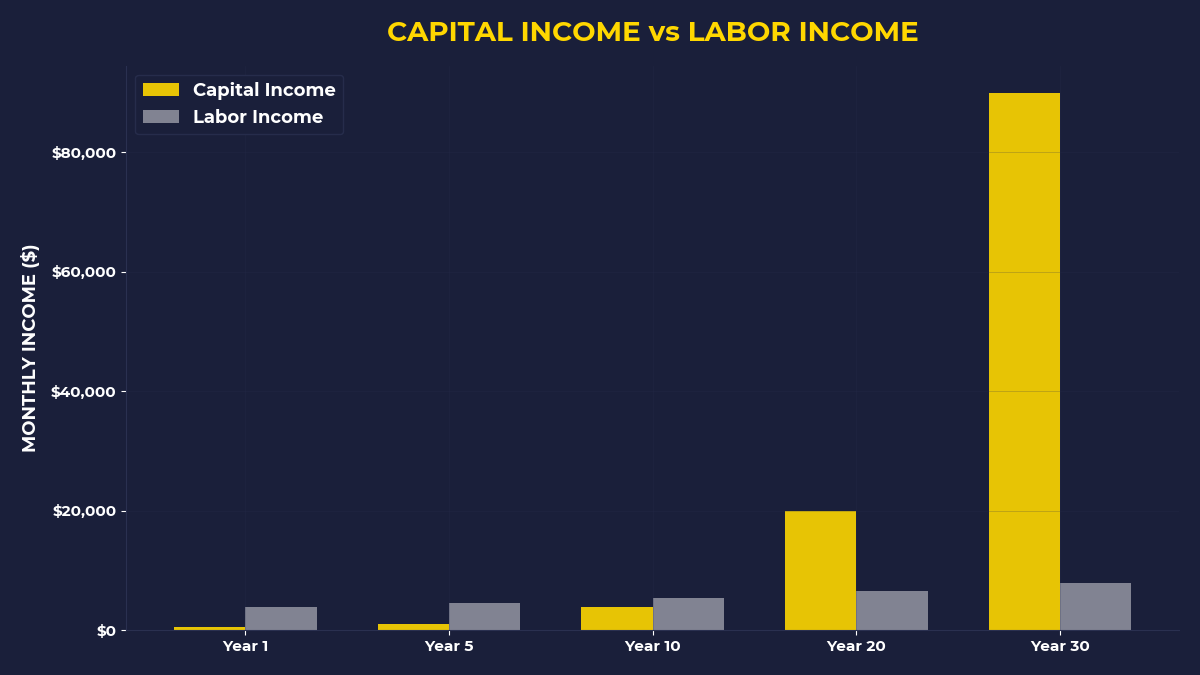
Within six months, Marcus had restructured everything. He kept his job but moved to a cheaper apartment and used the rent savings to buy shares in his internet provider, the grocery chain where he shopped, and a REIT that owned apartments like his old one.
Wild, right?
Instead of trying to predict which companies would grow, he invested in the companies he was already making profitable with his spending.
Why Your Current Philosophy Is Actually Someone Else’s Wealth Plan
Here’s what no one tells you about most investment philosophies: they’re designed to make the philosophy creator wealthy, not you.
The index fund movement made Vanguard’s founders billionaires by collecting tiny fees from millions of investors. The real estate seminar circuit makes more money selling courses than most students ever make buying properties. The day trading platforms profit from your transactions whether you win or lose.
I’m not saying these approaches can’t work. I’m saying they work better for the people selling them than the people buying them.
Think about that for a second.

How To Build Your Own Wealth Philosophy (Instead of Borrowing Someone Else’s)
When I finally stopped copying other investors and started thinking for myself, the first thing I did was admit something uncomfortable: I didn’t want to be Warren Buffett. I wanted to be financially free, but I wasn’t willing to spend 60 years building a conglomerate.
Your investment philosophy should start with the same kind of honest assessment. Not about market conditions or economic cycles — about you.
How much money do you actually have to invest? How much time can you realistically spend managing investments? How much risk can you stomach without losing sleep? What does “wealthy” actually mean to you — $500,000 or $5 million?
Once you answer those questions honestly, most popular investment philosophies become obviously wrong for your situation.
Marcus’s philosophy worked because it matched his reality. He had a steady income, limited time, and a clear goal: stop sending every dollar to other people’s assets and start building his own collection of demand-capturing investments.
Simple. Specific. His.
The One Thing That Matters More Than Your Investment Philosophy
Look, I could give you a detailed framework for building your own investment approach. I could list the specific steps Marcus followed or the exact percentages I use for different asset classes. But that would just be creating another system for you to copy.
Instead, I’ll tell you the one thing that matters more than any philosophy: ownership mindset.
Every investment decision comes down to this question: “Am I buying ownership in something that captures demand, or am I just hoping numbers go up?”
When you buy an index fund, you’re buying fractional ownership in companies that generate profits from real customer demand. When you buy a rental property, you own something that captures people’s need for shelter. When you start a side business, you’re building your own demand-capturing asset.
The specific vehicle matters less than the underlying principle: position yourself to benefit from demand instead of just creating it for others.
That’s not someone else’s philosophy. That’s the foundation every wealth-building philosophy is built on, whether they admit it or not.

If You’re Tired of Following Other People’s Playbooks
Maybe you’re like Marcus was — diligently following investment advice that feels disconnected from your actual life. Maybe you’re like I was — copying strategies that worked for people in completely different situations.
If you’re someone who wants to build wealth but feels like every piece of financial advice assumes you’re someone you’re not, it’s time to stop borrowing other people’s philosophies and start building your own.
Your investment philosophy shouldn’t come from a book or a blog or a guru. It should come from an honest assessment of your resources, your timeline, and your definition of financial success.
The One Thing To Remember
Every investment philosophy that actually builds wealth is just a different way of buying ownership in demand. The specifics matter less than the principle: stop being just the source of demand and start being a partial owner of it. Your philosophy should reflect your situation, not someone else’s circumstances or agenda.
- List every recurring bill you pay this month and research whether you can buy stock in those companies
- Set a rule that before you pay any bill over $100, you invest at least $10 in something that captures similar demand
- Ask yourself: “What if I owned a piece of everything I spend money on?” then start making that true
🎬 Prefer watching? Check out the video version on YouTube:
👉 https://www.youtube.com/@PrimalContrarian
Subscribe for daily insights on capital, wealth, and contrarian thinking.