The Question That Separates Two Worlds
Marcus — 29, software engineer in Denver — called me last Tuesday with the same frustration I hear from everyone. He’d been reading productivity blogs for three years. Downloaded time-tracking apps. Bought courses on side hustles and passive income. Even started waking up at 5 AM to work on his “personal brand.”
His paycheck had grown from $75,000 to $95,000. His savings account looked decent. But every month, the same thing happened: rent to his landlord, car payment to the bank, groceries to Kroger, Netflix to Netflix, insurance premiums to State Farm.
By month’s end, he’d sent most of his money to other people who owned things.
“I’m doing everything right,” he said. “I’m optimizing my morning routine, networking, learning new skills. But I feel like I’m running on a treadmill that someone else owns.”
He was.
I Used to Ask the Wrong Question Too
I know exactly how Marcus felt because I lived it for years. In my late twenties, I was obsessed with the same question everyone asks: “What should I do to get ahead?”
The internet gave me endless answers. Learn to code. Start a blog. Get an MBA. Build an emergency fund. Max out your 401k. Create multiple income streams. I tried most of it.
Here’s what nobody tells you about that approach: it keeps you trapped in the worker mindset forever.
You’re always trading your time and energy for money. Even when you’re “optimizing” or “building skills,” you’re still fundamentally asking how to make yourself more valuable to someone else’s system.
The breakthrough came when I read about Warren Buffett’s childhood. Not the usual story about compound interest and patience. The story about the golf balls.
Young Warren would find lost golf balls around the course, clean them up, and sell them for 6 cents each. Later, he used those profits to buy a pinball machine, then rent it to a barbershop. The barbershop owner split the quarters with him 50-50.
That’s when it hit me.
Warren wasn’t asking “What should I do to make money?” He was asking “What should I buy that makes money?”
The Capital Owner’s Question
Here’s the difference that changes everything: Workers ask what they should do. Owners ask what they should buy.
When you ask “what should I do,” you get worker answers. Work harder. Learn more skills. Optimize your resume. Network better. Start a side hustle where you trade more time for money.
When you ask “what should I buy,” you get owner answers. Buy assets that generate cash flow. Buy equity in profitable companies. Buy systems that work without you. Buy demand.
The weird part? Most people have never seriously asked themselves the second question.
Think about that for a second.
You’ve probably spent hundreds of hours thinking about what career to pursue, what skills to develop, what side business to start. But how much time have you spent thinking about what to buy?
Not what to buy for consumption — what car, what house, what gadgets. What to buy for production. What to buy that pays you back.
Why Your Brain Resists This Shift
Your brain fights this reframe because it feels backwards. We’re conditioned to believe that hard work creates wealth. That our effort, our skills, our hustle determines our financial outcome.
It’s not entirely wrong. Work matters. Skills matter. But they’re not the variable that determines whether you build capital or stay trapped in the labor game.
The variable is ownership.
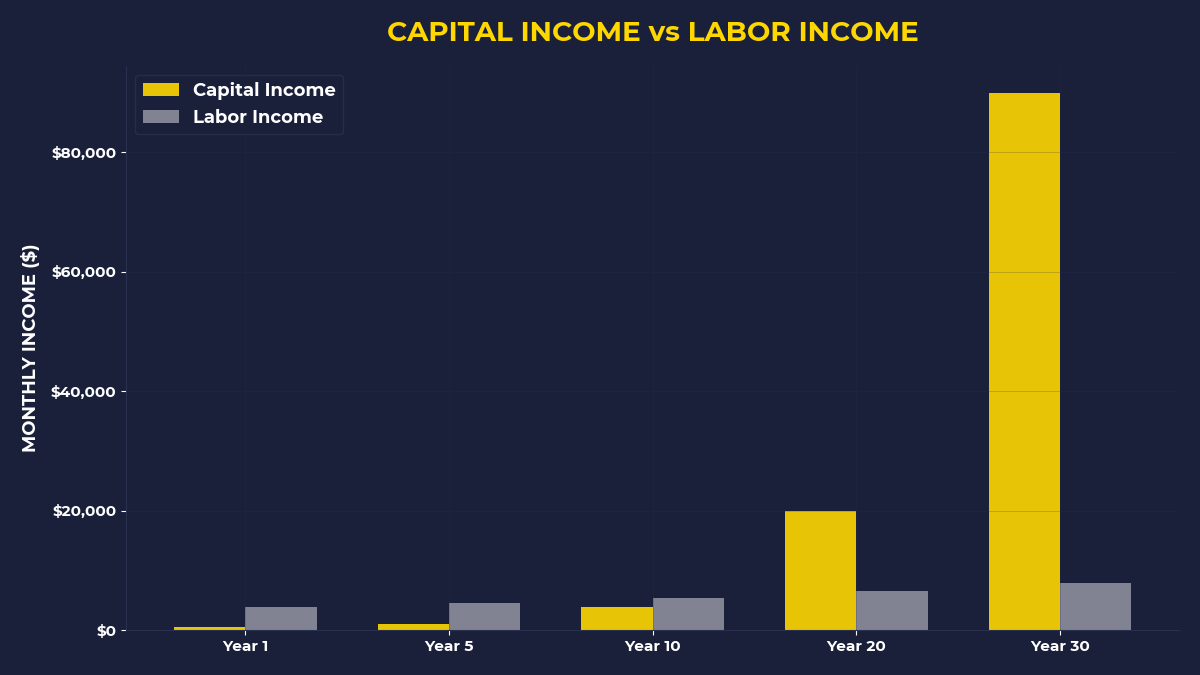
Every month, you send money to capital owners. Your landlord owns real estate. Netflix owns content and distribution. Apple owns the ecosystem your phone runs on. Visa owns the payment rails your transactions run through.
They don’t work harder than you. They own things people need.
Capital is stored demand. When people need what you own, you have capital. When you need what other people own, you’re a customer.
The Harry Larson Revelation
I came across this story that completely shifted my perspective on buying versus doing. In the 1930s, a man named Harry Larson was at a pharmacy when someone asked him how much he weighed. He looked around, spotted a coin-operated scale, dropped in a penny, and got his weight.
In the next few minutes, seven more people used that scale.
Harry asked the pharmacist about it. The owner explained he rented the scale and kept 25% of the revenue — about $20 per month. Harry was intrigued. He withdrew $175 from his savings, rented three scales, and started earning $98 per month.
But here’s the part that matters: “I eventually bought 70 machines, and the other 67 were paid for entirely with quarters from the first three.”
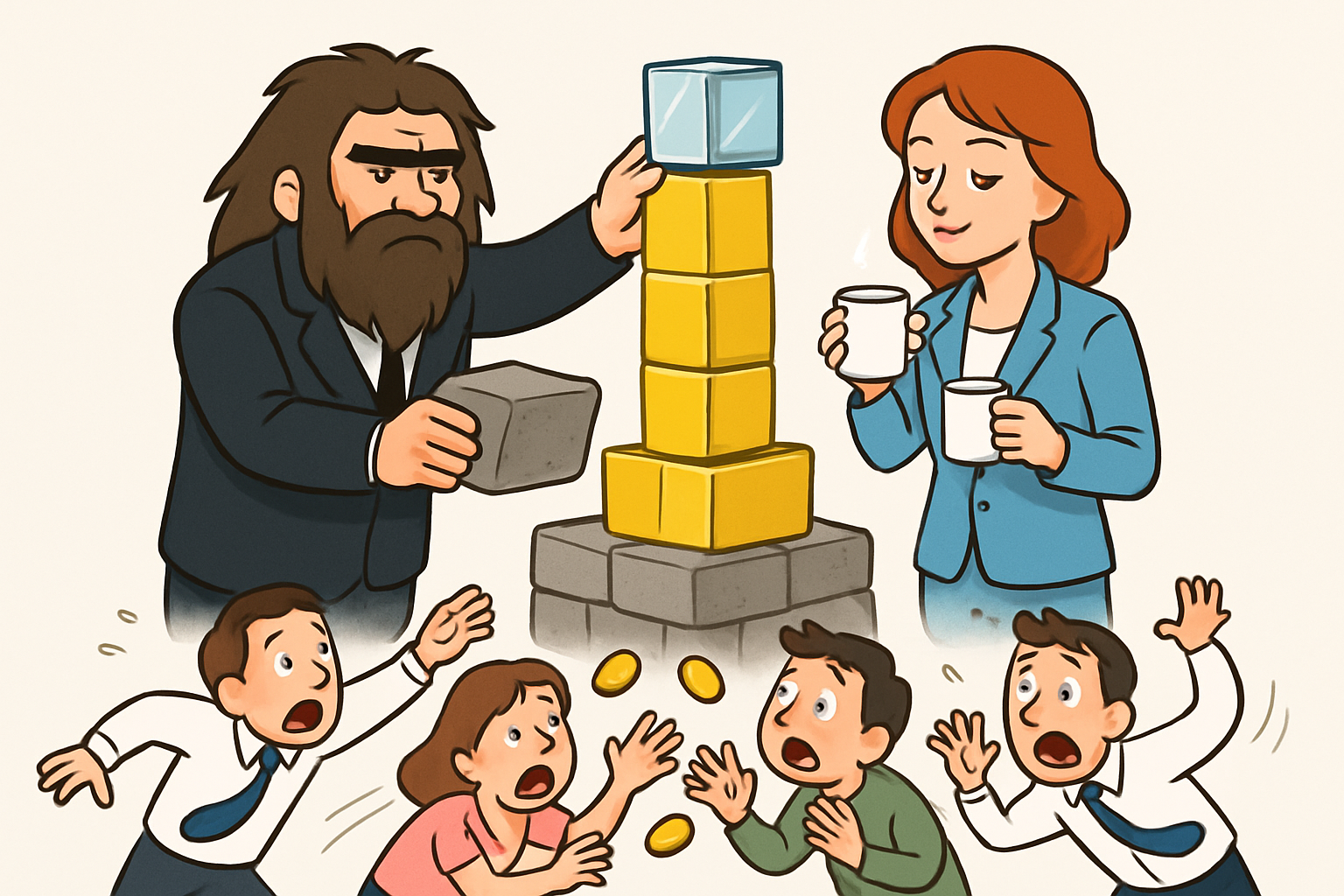
Harry didn’t scale by working 70 times harder. He scaled by buying 70 times more of what worked.
That’s leverage. That’s the compound structure that separates owners from workers.
What This Looks Like in Practice
You don’t need to start a scale empire to apply this principle. The question “what should I buy?” works at any level.
Instead of asking “what side hustle should I start?” ask “what profitable business can I buy a piece of?” That might mean buying shares of companies instead of starting a competing company.
Instead of asking “how can I make more money?” ask “what asset generates cash flow that I can afford?” That might mean house hacking — buying a duplex, living in one unit, renting the other.
Instead of asking “what skill should I learn?” ask “what system can I buy that works without me?” That might mean buying a profitable e-commerce store instead of building one from scratch.
The shift from doing to buying is the shift from addition to multiplication.
When you do things, your results add up. Work twice as hard, make twice as much (maybe). When you own things, your results multiply. Own twice as many cash-flowing assets, make twice as much while working the same hours.
The Emergency Fund Trap
Here’s where this gets controversial. Most financial advice tells you to save up an emergency fund before you invest anything. Six months of expenses, sitting in a savings account, earning 0.5% interest.
That advice trains you to think like a consumer, not an owner.
It teaches you that your first priority is covering your bills — your rent payment to someone else’s real estate, your car payment to someone else’s capital, your insurance payments to someone else’s risk management business.
Robert Kiyosaki tells a story about being broke and homeless, living in a friend’s garage. Even then, whenever he got money, he paid himself first. He bought assets before he paid bills. When bills came due and he didn’t have the cash, he found ways to earn extra money — mowing lawns, doing odd jobs.
The sequence matters. Buy assets first, then scramble to cover consumption. Not the other way around.
This forces you to keep the owner question front and center: “What can I buy that pays me back?”

Why This Works When Everything Else Doesn’t
The beautiful thing about shifting to the buyer mindset is that it automatically solves the time problem that kills most wealth-building plans.
When you’re focused on what to do, you’re always running out of time. There’s always more to do, more to learn, more to optimize. The day job takes 8-10 hours. The side hustle takes another 20-30 hours per week. Your “passive income” project requires constant management.
When you’re focused on what to buy, time works for you instead of against you. The asset you bought last year is still generating returns this year without additional input from you. Your equity positions grow while you sleep. Your rental property appreciates while you’re at your day job.
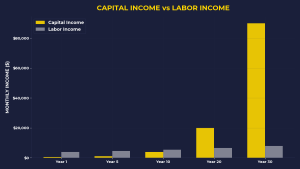
Ownership scales. Labor doesn’t.
The One Question That Changes Everything
Before you make any financial decision this week, ask yourself: “Am I about to do something, or buy something?”
If you’re about to do something — take a course, start a side hustle, learn a new skill — ask the follow-up question: “What could I buy instead that would generate similar returns with less ongoing effort?”
If you’re about to buy something for consumption — a car, a gadget, a vacation — ask: “What could I buy instead that pays me back?”
97% of people never ask that second question. They spend their entire working lives optimizing what they do instead of considering what they could own.
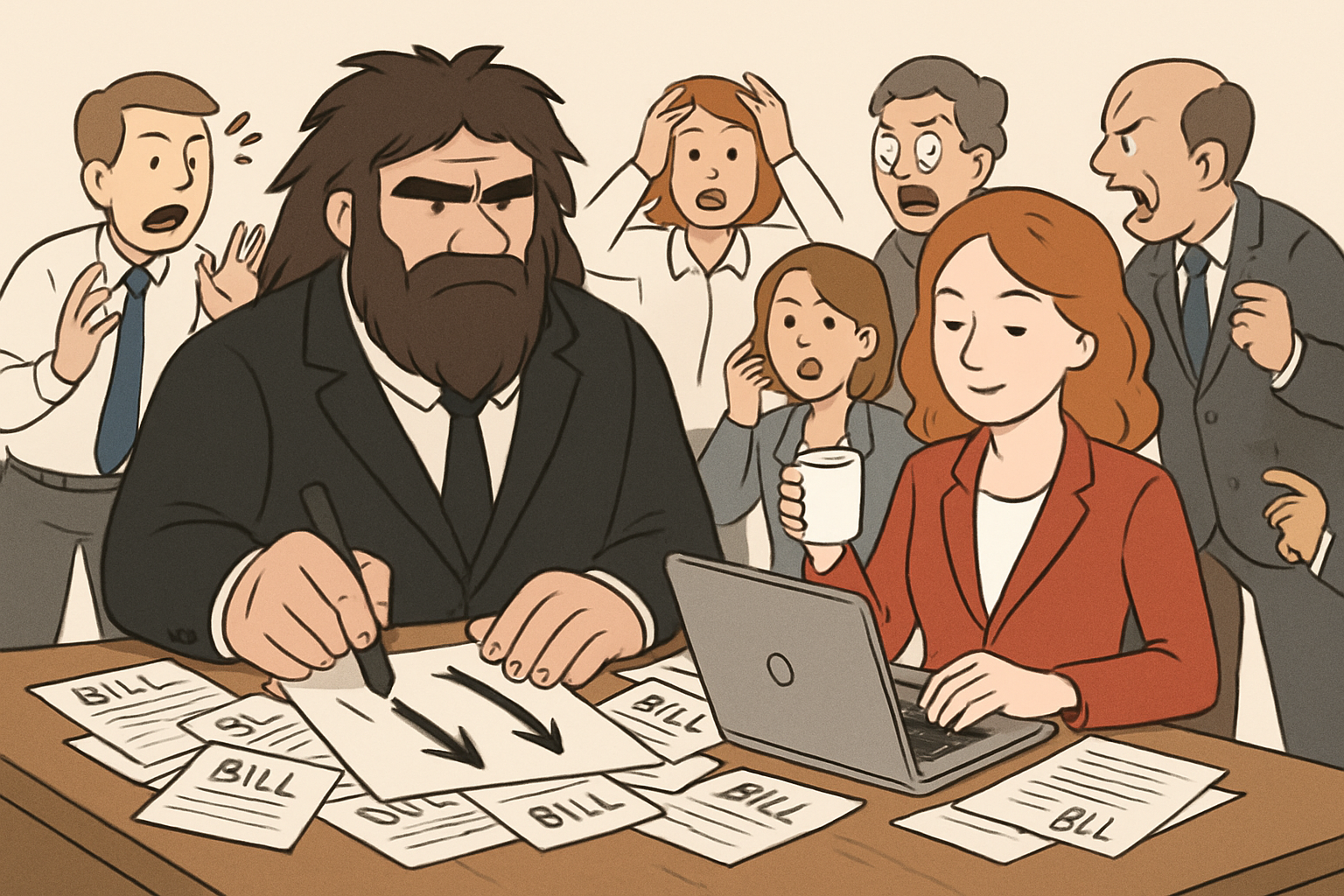
The 3% who ask the owner question end up on the other side of all those monthly bills everyone else pays.
If You’re Ready to Make the Shift
This reframe isn’t for everyone. If you love what you do and don’t mind trading time for money indefinitely, keep optimizing your labor. There’s nothing wrong with that choice.
But if you’re tired of feeling like you’re building someone else’s dream while your own financial freedom stays out of reach, the question is simple: What are you going to buy this month?
Not what you’re going to do. What you’re going to buy.
The One Thing to Remember
Capital isn’t created by working harder or learning more skills. Capital is created by owning things people need. The fastest way to flip from worker to owner is to change the questions you ask yourself. Instead of “what should I do?” ask “what should I buy?” Your bank account will start looking different within months, not years.
- Before you pay bills this month, buy one share of a profitable company
- Replace one “how to make money” Google search with “profitable businesses for sale”
- Set a calendar reminder to ask “what should I buy?” every Sunday for the next month
🎬 Prefer watching? Check out the video version on YouTube:
👉 https://www.youtube.com/@PrimalContrarian
Subscribe for daily insights on capital, wealth, and contrarian thinking.