The Day Marcus Realized He Was Getting Played
Marcus — 29, software engineer in Denver — earned $87,000 last year. He worked 52-hour weeks, shipped three major features, and got a 4% raise. His manager called him “invaluable to the team.”
So why did Marcus spend his lunch break on Tuesday calculating whether he could afford a $1,200 car repair without touching his credit card?
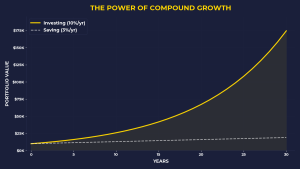
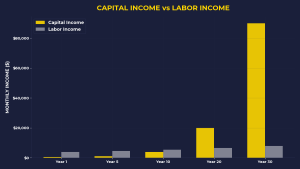
Because Marcus, like 73% of Americans, discovered the cruel mathematics of modern wealth: Hard work multiplies your hours, but capital multiplies your money. And only one of those scales without destroying your life.
Marcus called me that afternoon. “I don’t get it,” he said. “I’m making more than my dad ever did, working for a company worth billions. But I feel broker than he ever seemed.”
I Know Exactly How Marcus Felt
When I was 26, I thought I had cracked the code. I was pulling 60-hour weeks as a consultant, billing $125 an hour, feeling like a productivity machine. I tracked every minute, optimized every process, turned myself into a human efficiency engine.
The math felt bulletproof: More hours equals more money equals more wealth.
Except it didn’t work. The harder I worked, the more tired I got. The more tired I got, the less creative I became. The less creative I became, the more replaceable I looked to clients. I was trapped in what I now call the Labor Loop — trading increasingly expensive time for money that disappeared into rent, groceries, and car payments before I could think about building anything.
Here’s what I missed completely: I was optimizing the wrong variable.
While I was perfecting my hourly rate, my landlord was collecting rent checks from 47 units. While I was billing more hours, my clients were building companies I’d never own a piece of. While I was getting better at labor, everyone around me was getting better at capital.
The Singer Who Never Sang
Let me tell you about two people who taught me the difference between working hard and building wealth.
Person One: My friend Sarah. Classically trained vocalist, 15 years of lessons, can sing opera in three languages. Works 40 hours a week giving voice lessons at $60 per hour. Talented, hardworking, broke.
Person Two: A guy named Tommy who recorded one mediocre song in 1997 that somehow became a wedding reception staple. Still gets royalty checks 27 years later. Spends his days surfing in Costa Rica.
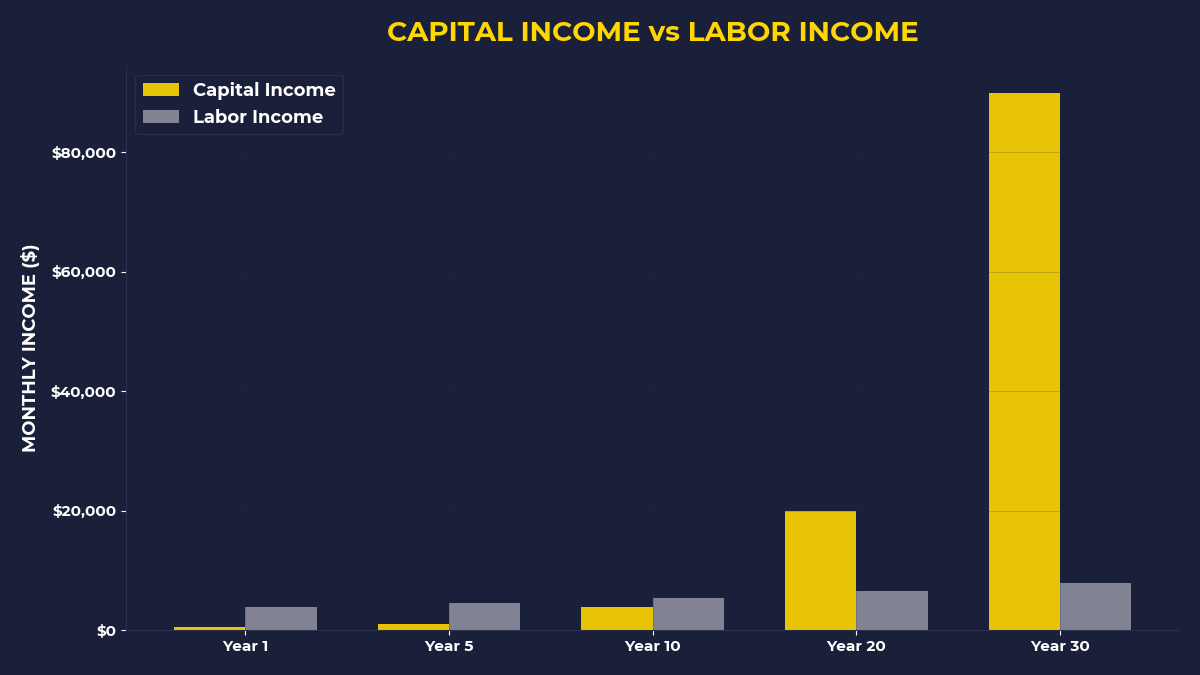
Sarah trades time for money, perfectly and beautifully. Tommy owns demand. Every time someone plays his song at a wedding, Tommy gets paid. He doesn’t have to show up. He doesn’t have to perform. He just has to own the thing people want.
That’s the difference between labor and capital.
Labor says: “I’ll work harder.” Capital says: “I’ll buy what people need.”
Why Your Paycheck Keeps Everyone Else Rich
Here’s an exercise that changed how I think about money forever. Marcus tried it after our phone call, and it made him physically sick.
Open your bank app. Look at your last month of transactions. Count how many payments went to people who own assets instead of people who trade time for money.
Marcus’s list: Rent ($1,850 to his landlord). Car payment ($397 to the bank). Insurance ($234 to the insurance company). Netflix, Spotify, gym membership ($67 total to subscription owners). Groceries ($680 to Kroger shareholders). Coffee ($89 to Starbucks investors). Gas ($156 to oil companies).
Total sent to capital owners: $3,473.
Amount Marcus invested in assets that could pay him back: $0.
See the problem? Marcus was playing the wealth-building game by everyone else’s rules. Work hard, earn money, send money to people who own things. Repeat until retirement, then hope Social Security covers the gap.
But what if Marcus flipped the script?
The Golf Ball Lesson Every Contrarian Needs
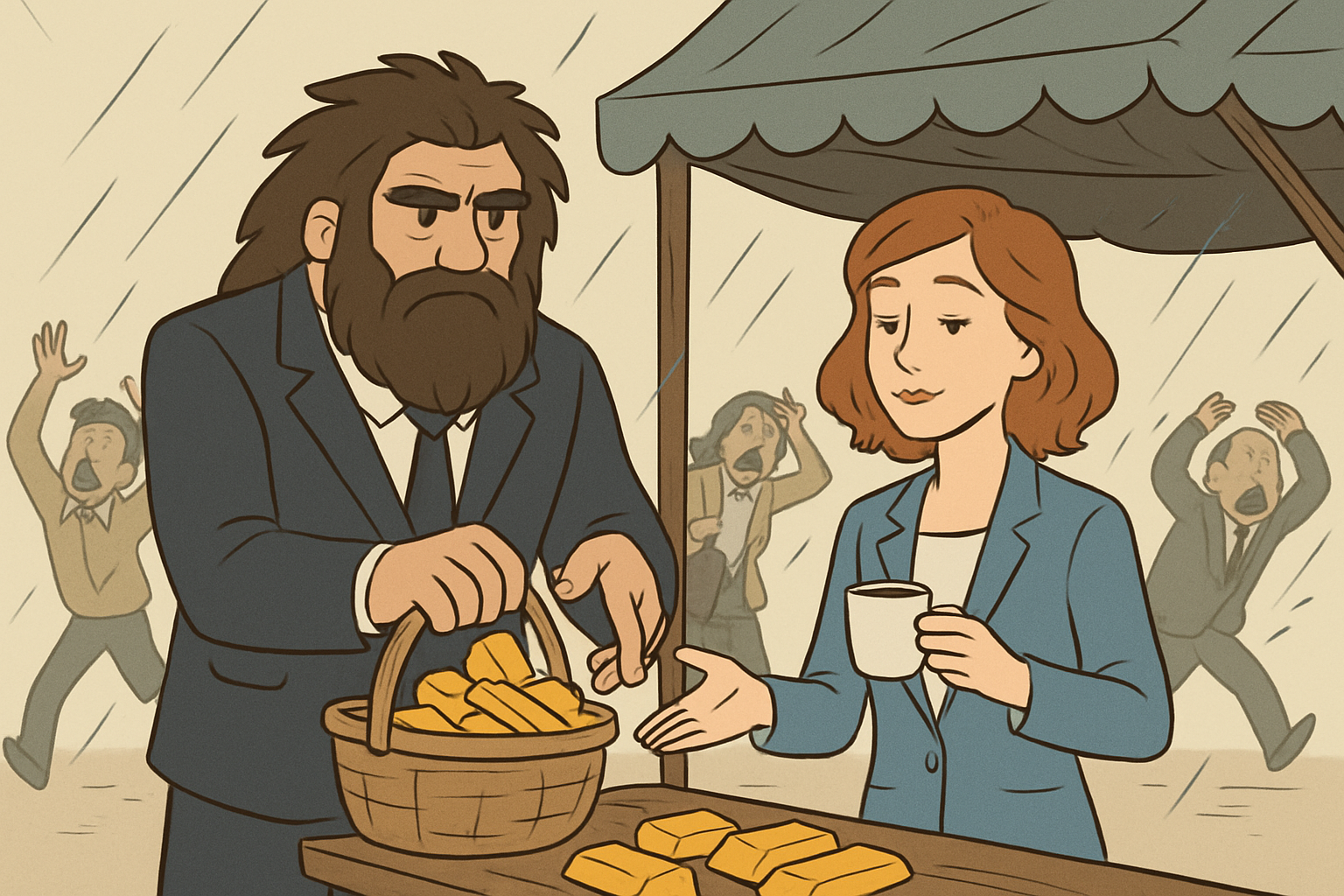
Warren Buffett tells a story about finding lost golf balls as a kid and selling them back to golfers for 50 cents a dozen. Simple arbitrage — find something people want, sell it to them.
But here’s the part most people miss: Buffett didn’t just find golf balls. He created a system for finding golf balls. He recruited other kids to search different parts of the course. He paid them 25 cents per dozen and kept 25 cents for himself.
The magic wasn’t in the golf balls. It was in owning the demand.
When you own demand, you get paid whether you show up or not. When you trade labor, you get paid only when you’re working. The golfers didn’t care if Warren personally found their balls — they just wanted their balls back. Warren figured out how to give them what they wanted without doing all the work himself.
That’s contrarian investing: Instead of working harder, buy demand.

Do You Actually Want to Be Rich, or Do You Just Want to Feel Productive?
Most people say they want wealth, but their actions reveal something different. They want to feel useful. They want to feel needed. They want to be the irreplaceable expert.
I get it. Being good at your job feels good. Getting praised by your boss releases dopamine. Solving problems makes you feel valuable.
But here’s the uncomfortable truth: The more irreplaceable you make yourself at work, the more you trap yourself in the Labor Loop.
Real wealth comes from being replaceable. When the money-making system runs without you, you win. When the money-making system depends on you, you’re just an expensive employee — even if you own the business.
Marcus realized this during our second conversation. “I’ve been optimizing to be indispensable at my job,” he said. “But indispensable people can’t leave. And if I can’t leave, I can never own my time.”
The $50 Test That Changes Everything
I gave Marcus a challenge, and I’ll give you the same one. It sounds simple, but it’s harder than you think.
Before you pay your next bill — rent, groceries, whatever — move $50 into a brokerage account and buy shares of something. Anything. An S&P 500 index fund. Apple stock. A REIT.
The amount doesn’t matter. The timing does.
Pay yourself first, even if it means scrambling to cover the rent. Especially if it means scrambling to cover the rent. Because that scrambling forces you to ask the right question: “How do I create more money?” instead of “How do I work more hours?”
Marcus tried this experiment in March. By May, he had started a small side business building WordPress sites for local restaurants. By August, that business was generating $1,400 a month in mostly passive income. Not because he worked more hours — because he started thinking like a capital owner instead of a time-seller.
The $50 test rewires your brain. Instead of sending all your money to other people’s assets, you start building your own pile of demand.

If You’re Someone Who Works Hard But Can’t Get Ahead
This post is for you if you recognize yourself in Marcus’s story. If you earn decent money but feel like you’re running on a treadmill. If you optimize your productivity but never your ownership. If you’ve mastered your job but not your wealth.
You’re not lazy. You’re not stupid. You’re not cursed with bad luck.
You’re just playing the wrong game.
The game you’re playing rewards input — hours, effort, expertise. The game rich people play rewards ownership — equity, demand, systems that work without them.
Both games are real. Only one builds lasting wealth.
The One Thing to Remember
Hard work without capital is just expensive labor. You can optimize your hourly rate, work nights and weekends, become the most talented person in your field — but you’ll always be trading time for money. Capital owners don’t trade time for money. They own the things that generate money while they sleep. The fastest way to join them isn’t to work harder. It’s to start buying demand instead of selling effort.
- This month, before paying any bills, buy $50 worth of index fund shares or dividend stocks
- Ask “What should I buy?” instead of “What should I do?” when planning your next career move
- Calculate how much money you sent to capital owners last month, then commit to matching 10% of that amount in asset purchases
🎬 Prefer watching? Check out the video version on YouTube:
👉 https://www.youtube.com/@PrimalContrarian
Subscribe for daily insights on capital, wealth, and contrarian thinking.