The Question That Keeps You Broke
Marcus — 29, software engineer in Denver — called me three weeks ago, frustrated as hell. He’d been promoted twice in four years, earned $95,000 annually, read every productivity book on Amazon, and still felt broke every month. “I don’t get it,” he said. “I’m doing everything right. Working out at 5 AM. Meal prepping. Side hustling on weekends. But my bank account looks exactly the same as it did two years ago.”
I asked him one question: “What have you bought this year?”
Long pause.
“You mean like… stuff? A new laptop. Some clothes. Groceries.” He listed consumables. Things that disappear or depreciate. Nothing that would send him money while he slept.
Marcus was asking the wrong question entirely. He kept asking “What should I do?” instead of “What should I buy?”
I Used to Ask the Same Wrong Question
Ten years ago, I was Marcus. Working 60-hour weeks, optimizing my morning routine, listening to business podcasts during my commute. I had spreadsheets for everything — my workouts, my goals, my perfectly planned day. I was productive as hell and going nowhere financially.
The breakthrough came when I noticed something weird about Warren Buffett’s childhood stories. Everyone focuses on his work ethic — the kid who sold newspapers and collected golf balls. But that’s not what made him rich.
Here’s what actually happened: Young Warren found lost golf balls around the country club, cleaned them up, and sold them for 6 cents each. Standard hustle story, right? But then he did something different. Instead of just working harder to find more golf balls, he used the money to buy his first stock at age 11. Later, he bought pinball machines and placed them in barbershops. The machines made money while he slept.
Warren wasn’t asking “How can I work harder?” He was asking “What can I buy that will work for me?”
Why Your Brain Tricks You Into Working Instead of Buying
Walk into any bookstore. Browse the business section. Notice something?
97% of those books tell you what to do. Wake up earlier. Network better. Learn new skills. Optimize your LinkedIn. Master time management. Build better habits.
All useful advice. All missing the point.
Your brain loves this stuff because it feels like control. “If I just work harder, I’ll get ahead.” It’s the same programming that kept our ancestors alive — more effort equals more survival.
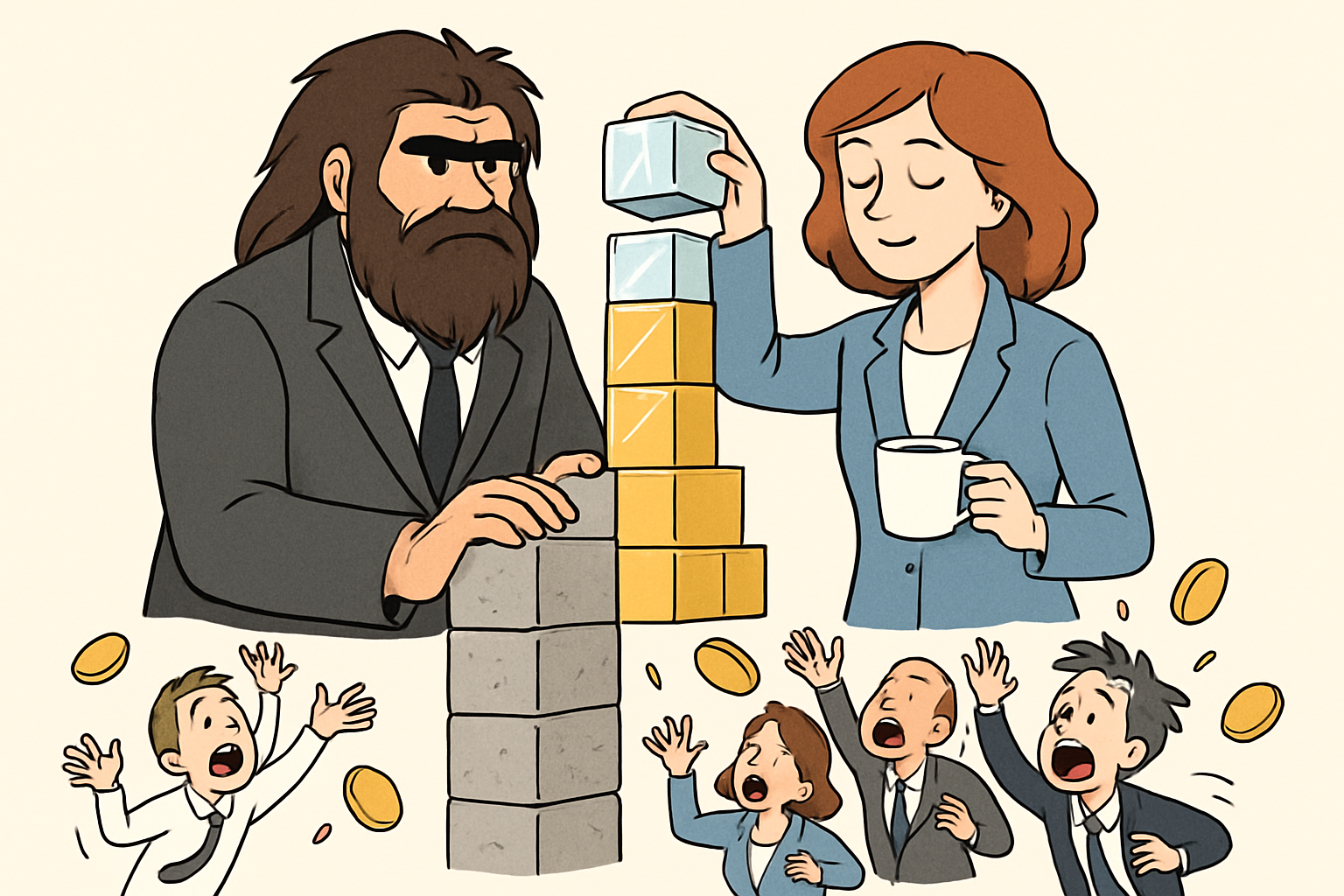
But capital doesn’t care about your effort. Capital cares about demand.
Think about your last grocery run. That $127 you spent? It went to shareholders of Kroger, Coca-Cola, Procter & Gamble. People who own pieces of companies that serve demand. They didn’t work harder than you that week. They just owned something you needed.
The Weight Scale That Changed Everything
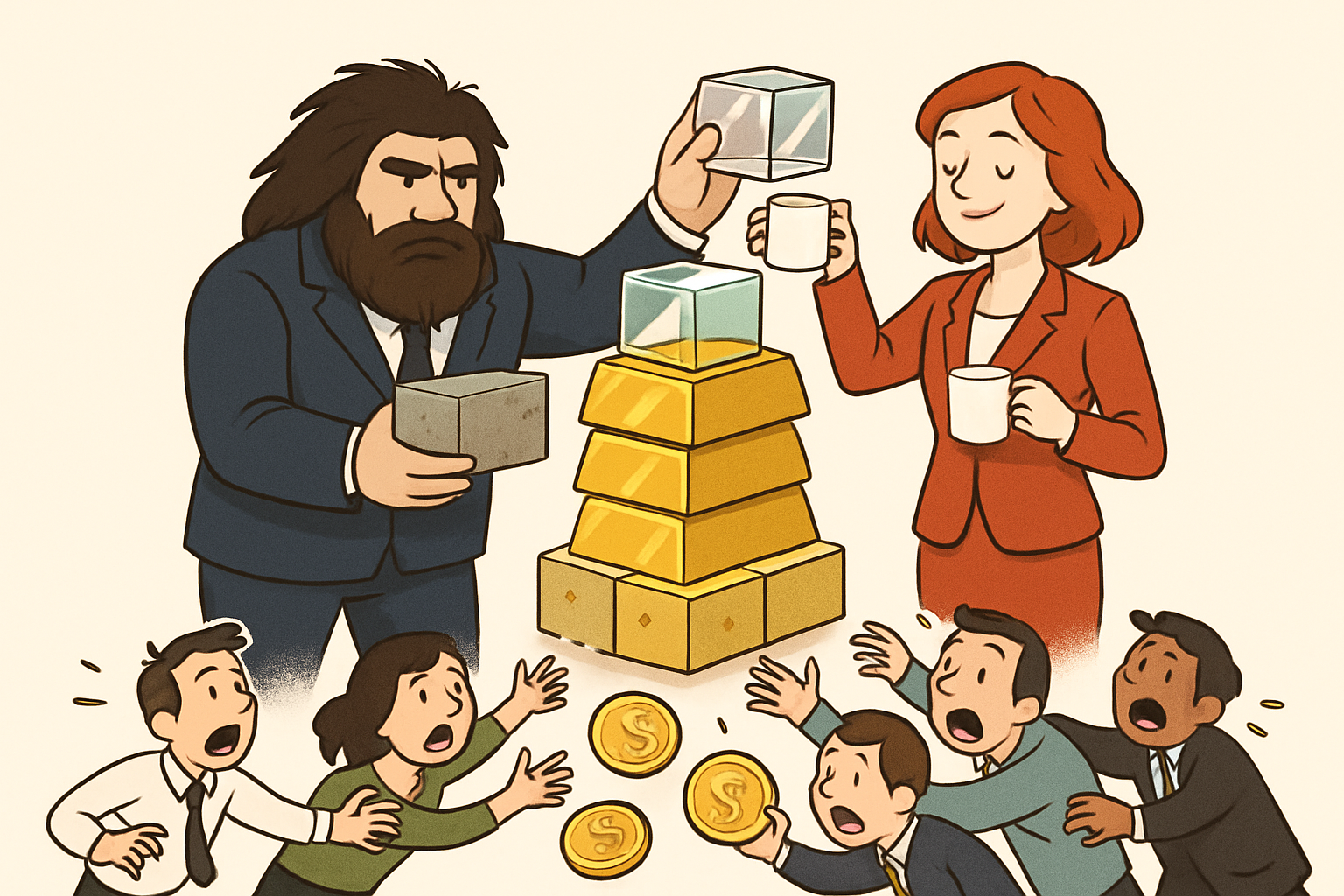
I want to tell you about Harry Larson. This story comes from a 1930s book called “A Thousand Ways to Make $1000” that influenced Buffett as a kid.
Harry was at a drugstore when someone asked him how much he weighed. He looked around, spotted a coin-operated scale, dropped in a penny, and weighed himself. Then he watched. In the next few minutes, seven more people used that same scale.
Curious, Harry asked the store owner about it. The owner explained he rented the scale and kept 75% of the revenue — about $20 per month from that one machine.
Harry went home, withdrew $175 from his savings, and bought three scales. Within weeks, he was earning $98 per month. But here’s the kicker: “I ended up with 70 machines, and I bought the additional 67 with coins from the first three.”
Harry wasn’t asking “How can I work harder?” He was asking “What can I buy that people need?”
What This Looks Like in 2024
You don’t need to buy weight scales. But you can steal Harry’s thinking.
Every month, you send money to capital owners. Your rent check goes to your landlord. Your Netflix payment goes to shareholders. Your grocery bill feeds Walmart’s investors. Your car payment enriches Ford’s owners.
The goal isn’t to stop paying these bills. The goal is to get on the other side of them.
When I finally understood this, I started small. Instead of asking “How can I earn more money?” I asked “What can I buy with the money I have?”
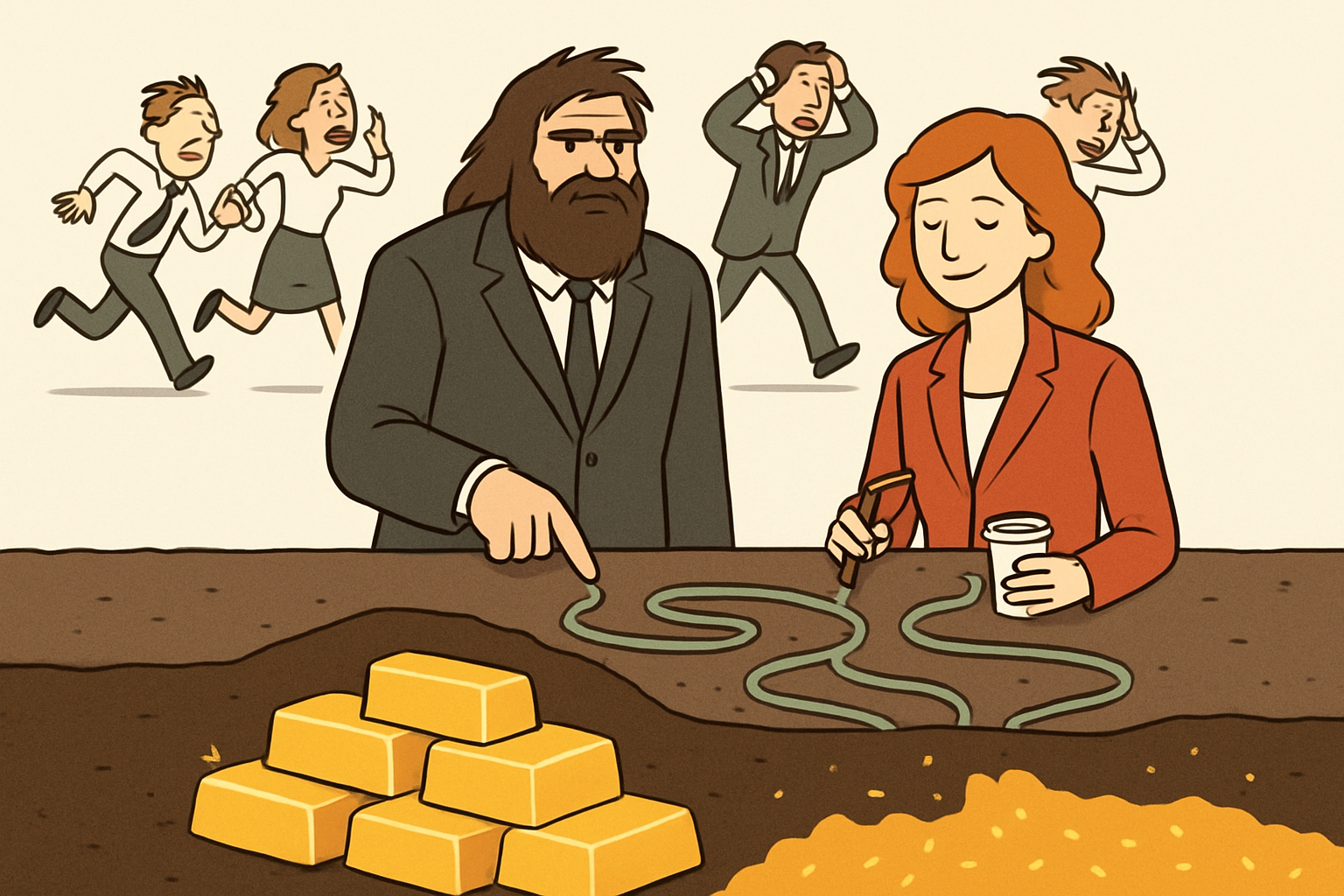
I bought shares of the companies sending me bills. Utilities. Food companies. REITs that owned apartments like mine. Nothing fancy. Just pieces of businesses serving everyday demand.
My electric bill was $94 last month. Some of that money went to shareholders of my utility company. Guess what? I’m one of those shareholders now. My grocery bill was $156. Some went to Kroger shareholders. I own Kroger stock.
Am I getting rich quick? No. Am I slowly switching sides? Yes.
The $50 Before Bills Rule
Here’s something concrete you can do today. It’s going to feel wrong at first.
Before you pay any bill this month — rent, groceries, Netflix, whatever — move $50 into a brokerage account. Buy shares of something. Anything. A broad market ETF if you’re not sure where to start.
Wait, you’re thinking. “I need that $50 for bills!”
Exactly. That discomfort you just felt? That’s your worker brain talking. Your owner brain would ask: “How can I find an extra $50 this month?” Maybe work one extra hour. Skip two restaurant meals. Sell something sitting in your closet.
The point isn’t the $50. The point is training your brain to prioritize buying before spending. To ask “What should I buy?” before “What should I do?”
Why Smart People Stay Trapped
Are you someone who reads productivity blogs and business books but still lives paycheck to paycheck? Someone who optimizes everything except your relationship with capital?
You’re not alone. Most smart people fall into this trap.
We’re trained from childhood to get good grades, work hard, follow instructions. All valuable skills. None of them teach you to think like an owner.
School never taught you that capital is stored demand. That your monthly bills are invoices from people who figured out what to buy instead of what to do.
The smartest people I know can optimize a spreadsheet, manage complex projects, and work 70-hour weeks. But they’ve never seriously asked: “What can I buy that will send me money while I sleep?”
The One Thing to Remember
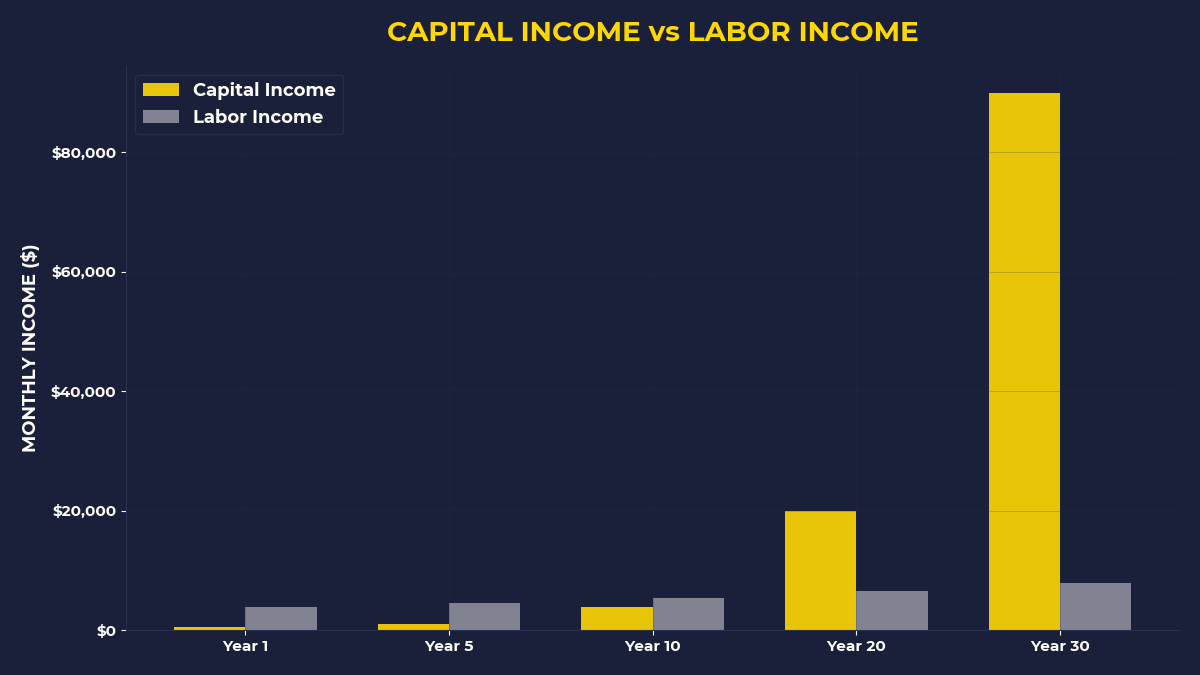
Every dollar you earn faces a choice: spend it on something that disappears, or buy something that pays you back. Workers spend first and invest what’s left. Owners buy assets first and spend what’s left. The difference between these two habits is the difference between trading time for money forever and eventually having money work for you.
Three things to do this week:
- Open a brokerage account if you don’t have one. Any major firm works. Don’t overthink it.
- Before paying your next bill, buy $50 worth of stocks or ETFs. Feel the discomfort. That’s your brain rewiring.
- List your five biggest monthly expenses. Research which companies profit from those bills. Consider buying shares in those companies.
🎬 Prefer watching? Check out the video version on YouTube:
👉 https://www.youtube.com/@PrimalContrarian
Subscribe for daily insights on capital, wealth, and contrarian thinking.