
The $47,000 Question
Marcus — 29, software engineer in Denver — earned $97,000 last year and saved exactly $3,200. He called me last Thursday, frustrated. “I’m doing everything right,” he said. “Emergency fund, 401k match, budgeting app. But I feel like I’m running on a treadmill.”
I asked him one question: “What’s your investment philosophy?”
Long pause. “I… what do you mean? Buy low, sell high?”
That’s when I knew. Marcus didn’t have an investment philosophy. He had a collection of tactics borrowed from finance blogs and YouTube videos. And that’s exactly why he felt stuck.
I Used to Think Strategy Was Everything
Seven years ago, I was Marcus. Different city, same treadmill.
I obsessed over asset allocation percentages. Spent hours researching expense ratios. Read every market prediction I could find. My spreadsheet had seventeen tabs tracking everything from sector weightings to tax-loss harvesting opportunities.
Here’s what I didn’t have: a coherent belief about what money actually was.
I treated investing like a video game where better tactics meant higher scores. The philosophy behind it? Never crossed my mind. I was optimizing a system I didn’t understand, using tools I couldn’t explain to reach goals I hadn’t really chosen.
Then one afternoon, sitting in my apartment staring at my brokerage app, something clicked. The companies I owned — Apple, Microsoft, Amazon — they weren’t just ticker symbols bouncing around. They were businesses that millions of people paid money to every single day.
And I owned tiny pieces of that demand.
Capital Is Stored Human Need
Every morning, Marcus buys coffee from Starbucks. Pays rent to his landlord. Streams Netflix. Fills his car with gas. Orders from DoorDash.
Every transaction is the same: his cash flows to someone who owns capital.
The coffee shop owner owns the demand for caffeine and convenience. The landlord owns the demand for shelter. Netflix owns the demand for entertainment. The gas station owner owns the demand for mobility.
Marcus works 40+ hours a week to generate that cash. But where does it go? To people who own things other people need.
This isn’t a moral judgment. It’s just physics. Capital is stored demand, and demand creates cash flow. When you own capital, other people’s needs become your income.
Most people never make this connection. They think investing means picking stocks that go up. But that’s like thinking agriculture means watching plants grow.
The real question isn’t “Which stocks should I buy?” It’s “How do I switch from being the person who pays capital owners to being the capital owner who gets paid?”
The Golf Ball Lesson Warren Buffett Never Taught
Everyone knows the story of young Warren Buffett selling golf balls. Kid finds lost balls, cleans them up, sells them for $6 per dozen. Classic entrepreneurship tale.
But here’s the part that changed how I think about money:
Imagine Warren didn’t stop at collecting golf balls himself. Imagine he hired kids who were better swimmers to dive for balls in the water hazards. Paid them $2 per dozen. Hired other kids who were good at cleaning to polish the balls. Paid them $2 per dozen.
Suddenly Warren makes $2 per dozen without touching a single golf ball.
Now imagine he has ten kids collecting and ten kids cleaning. Warren makes $20 per dozen while working on his homework.
That’s not just entrepreneurship. That’s capital creation.
The philosophy shift: instead of asking “What work should I do?”, Warren would be asking “What should I buy?” — in this case, buying other people’s time and skills to create a system that works without him.
Do You Know What You Actually Believe About Money?
Most people’s investment philosophy is unconscious and contradictory.
They believe hard work creates wealth (so they work harder).
They believe saving money creates security (so they keep cash in savings accounts earning 0.5%).
They believe investing is risky (so they avoid it until they’re “ready”).
They believe rich people got lucky (so they buy lottery tickets).
These aren’t strategies. They’re unconscious beliefs that guarantee you’ll stay where you are.
I know because I held every single one of them.

The Philosophy That Changed Everything
Three years ago, I adopted a different philosophy. Simple but radical:
**Every dollar I earn should either sustain me today or buy me freedom tomorrow.**
That’s it. Two buckets. Survival or capital.
Rent, food, utilities — survival bucket. Everything else goes toward buying pieces of businesses, real estate, or building systems that generate income without my direct involvement.
When I pay for Netflix, I ask: “Should I also own Netflix stock?” When I buy coffee, I ask: “Do I own any businesses that benefit from people’s daily habits?”
This philosophy forced me to see every purchase as a choice: Am I consuming someone else’s capital, or am I building my own?
The results were immediate. Not because I found better investments, but because I started thinking like a capital owner instead of a consumer.

The Compound Interest of Philosophy
Marcus’s real problem isn’t his 401k allocation or his emergency fund size. It’s that he thinks like someone who trades time for money instead of someone who owns assets that generate money.
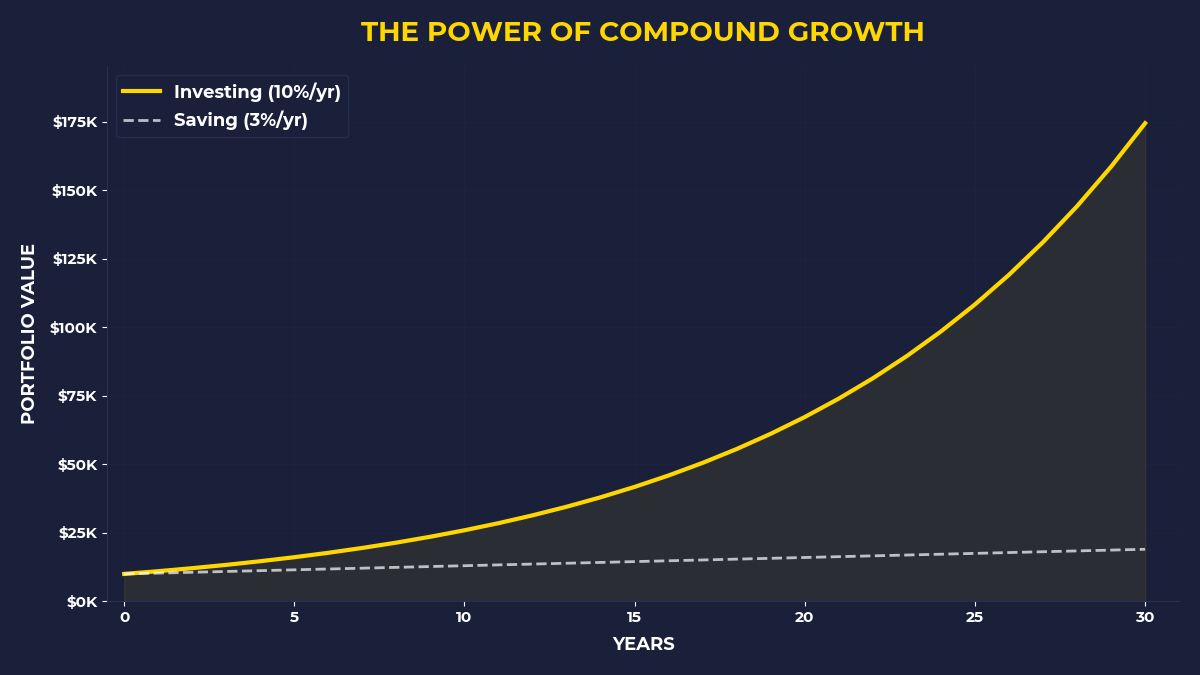
That mental shift compounds.
When you think like a capital owner, you naturally start asking different questions:
– Instead of “How can I increase my salary?”, you ask “How can I own businesses that employ people like me?”
– Instead of “Which stocks will go up?”, you ask “Which companies benefit from things people have to do anyway?”
– Instead of “How much should I save?”, you ask “How much capital can I acquire this month?”
These questions lead to different actions. Different actions compound into different outcomes.
The One Thing to Remember
Your investment philosophy isn’t about markets or returns or risk tolerance. It’s about whether you see yourself as someone who pays capital owners or someone who is a capital owner. That identity shapes every financial decision you make, often without you realizing it. The goal isn’t to get better at picking investments — it’s to start thinking like the type of person who owns the things other people need.
Here’s what you can do today:
• Look at your last five purchases and ask: “Do I own any businesses that benefit from these types of transactions?”
• Before your next paycheck, decide: what percentage goes to survival versus capital acquisition?
• Write down this question and put it somewhere you’ll see it: “Am I buying someone else’s capital or building my own?”
🎬 Prefer watching? Check out the video version on YouTube:
👉 https://www.youtube.com/@PrimalContrarian
Subscribe for daily insights on capital, wealth, and contrarian thinking.