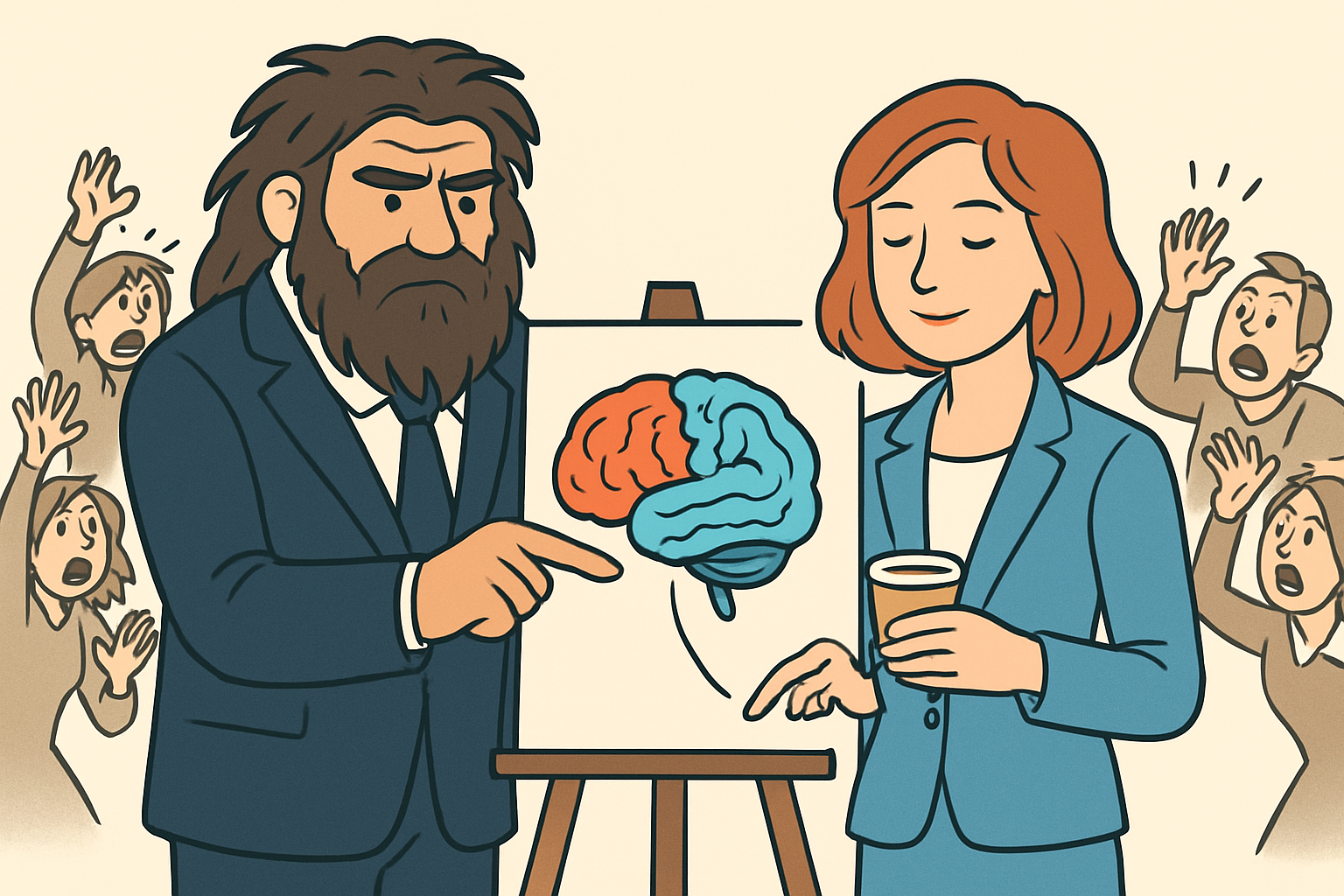
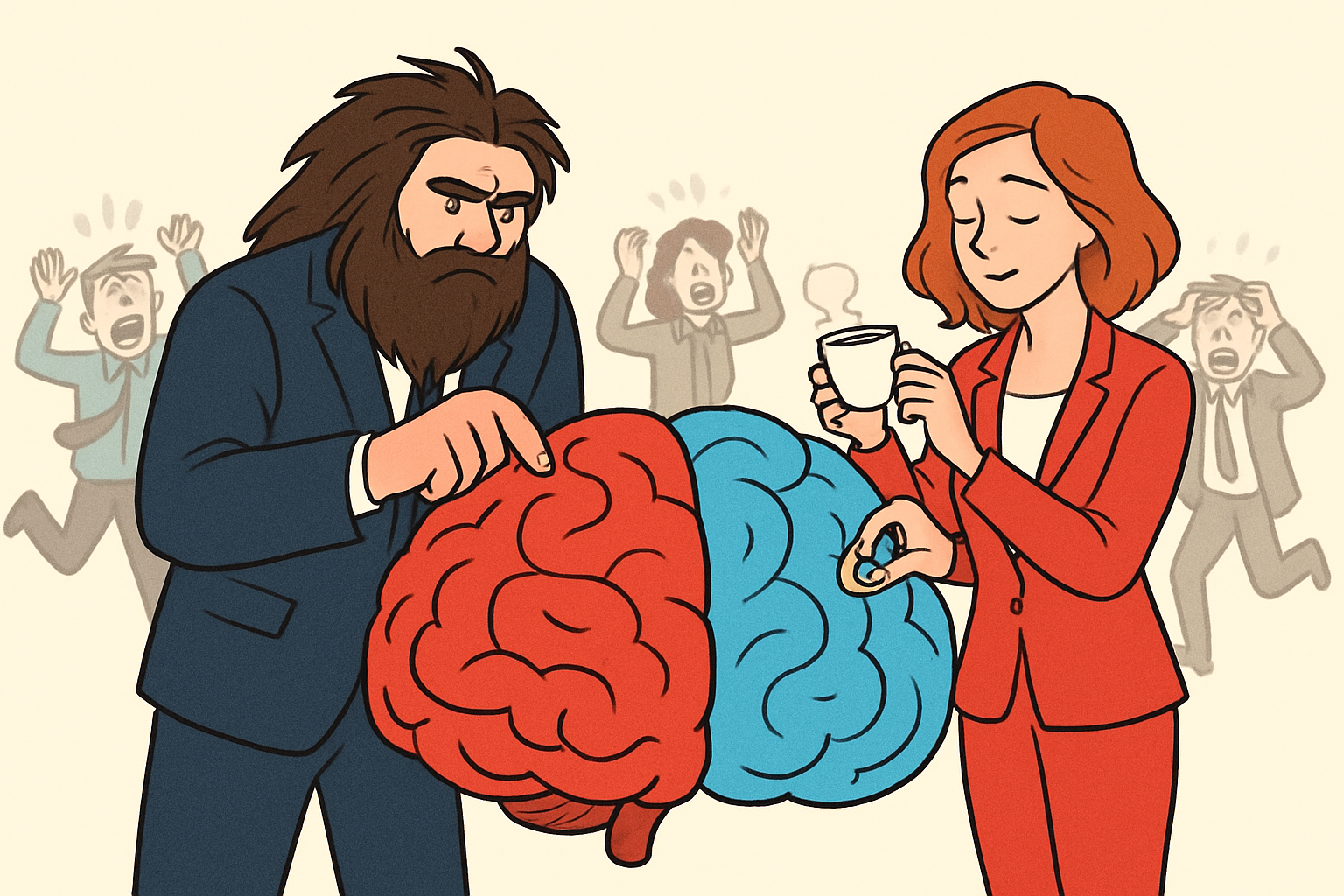
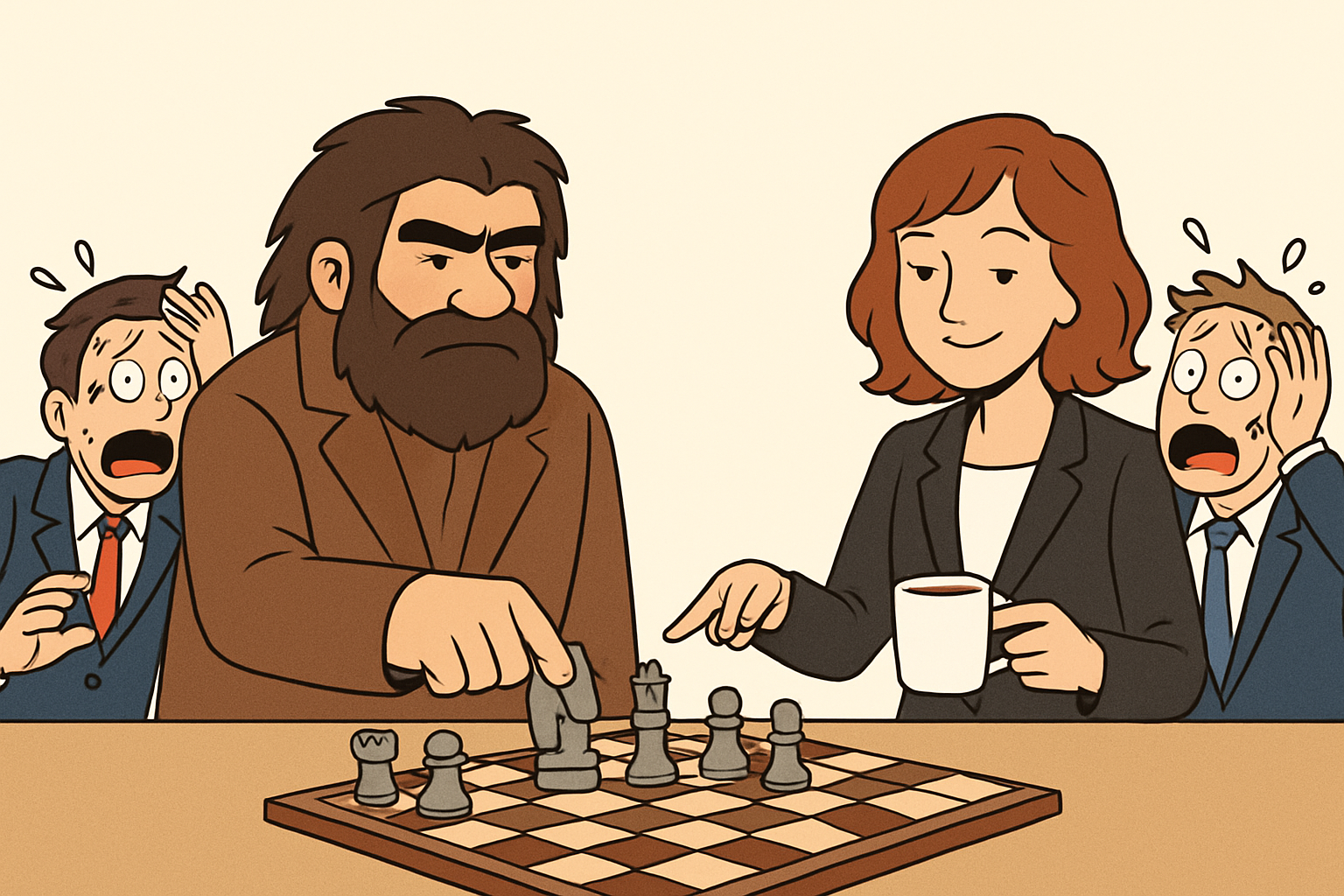
Your brain evolved to survive on the African savanna, not navigate global capital markets. The same neural pathways that kept your ancestors alive for 200,000 years are systematically destroying your wealth in the 21st century.
I learned this the expensive way.
March 2020. The S&P 500 had just dropped 34% in 23 trading days — the fastest bear market in history. My phone buzzed with notifications from my brokerage app. Red numbers everywhere. My amygdala, that ancient alarm system, screamed one word: SELL.
So I did. I liquidated half my positions at exactly the wrong moment, locking in losses just weeks before one of the most explosive rallies in market history. The S&P 500 gained 114% from those March lows through the end of 2021.
Cost of listening to my primitive brain: $47,000 in foregone gains.
The $2.3 Trillion Behavioral Tax
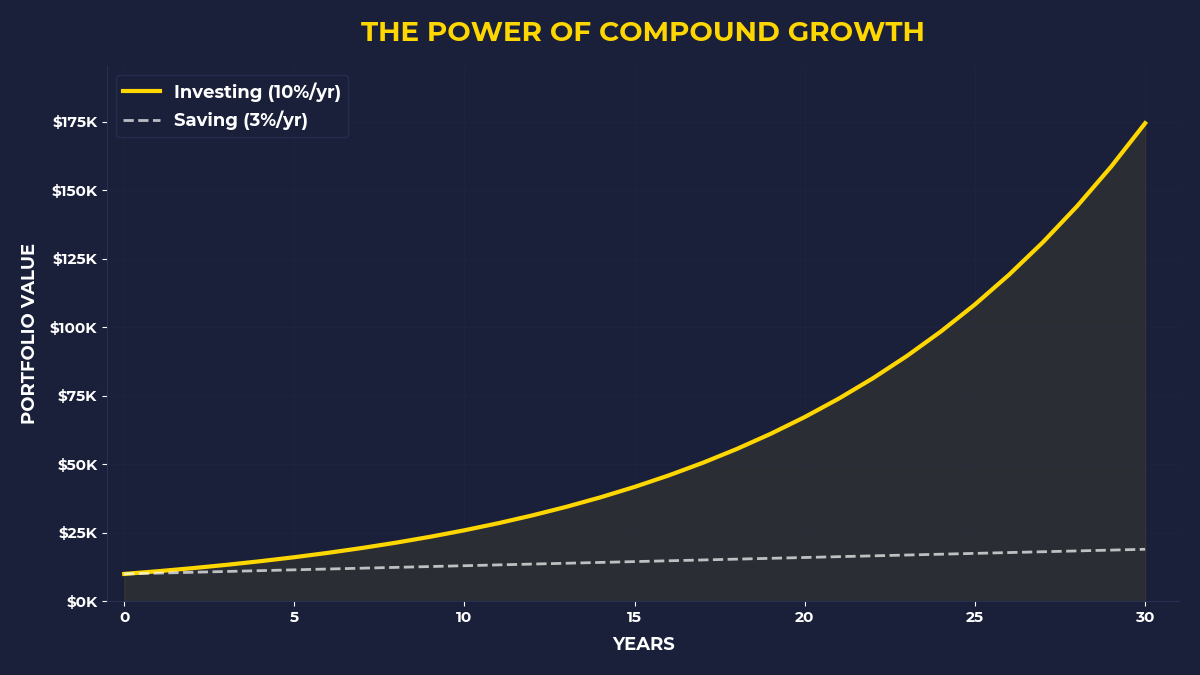
I’m not alone in this expensive education. Dalbar’s annual study of investor behavior shows that the average equity mutual fund investor earned just 7.13% annually over the 20-year period ending in 2021, while the S&P 500 returned 10.65% annually. That 3.52% gap — what I call the behavioral tax — cost investors approximately $2.3 trillion over two decades.
Think about that number.
Every year, millions of reasonably intelligent people hand over a collective $115 billion to Wall Street simply by acting on their primal instincts. Fear sells bottoms. Greed buys tops. Herd mentality chases whatever the tribe chases.
Your broker loves this ancient code because it’s predictable. When markets crash, you’ll panic and sell. When markets soar, you’ll get euphoric and buy. The house always wins when the players are running 200,000-year-old software.
Why Smart People Make Dumb Money Decisions
Here’s what most behavioral finance research misses: your mistakes aren’t random. They follow patterns older than agriculture.
Take loss aversion — the psychological principle that losses feel roughly twice as painful as equivalent gains feel good. This made perfect sense when losing your winter food store meant death. Today, it makes you sell Netflix at $180 after buying it at $350, even when nothing fundamental has changed about the business.
Or consider recency bias — your tendency to weight recent events more heavily than historical patterns. When mammoth attacks were frequent, this kept you vigilant. When Tesla drops 65% in 11 months, this makes you assume the electric vehicle revolution is over.
I watch sophisticated investors — doctors, engineers, lawyers — make the same costly errors repeatedly. They short GameStop at $40 because “it’s obviously overvalued,” then watch it rocket to $483. They pile into SPACs in 2021 because “everyone’s getting rich,” then lose 70% as the bubble deflates.
Intelligence doesn’t immunize you against primitive instincts. If anything, smart people are often worse investors because they rationalize their emotional decisions with complex narratives.
The Crowd Is Always Wrong at the Extremes
Want to see primal wiring in action? Look at market sentiment data during major turning points.
In March 2009, with the S&P 500 at 666, the American Association of Individual Investors’ bullish sentiment hit 18.9% — near the lowest reading since the survey began in 1987. Fear was so thick you could taste it. unemployment was hitting 10%. Headlines screamed about the end of capitalism.
That was the bottom.
Fast forward to January 2018. The same sentiment survey showed bullishness at 66.7%, the highest level in three years. Everyone felt invincible. Bitcoin had just hit $20,000. Your Uber driver was giving stock tips.
That was the top.
The crowd is always wrong at the extremes because crowds are just collections of individual primate brains, all running the same ancient fear-and-greed algorithms. When 90% of people feel the same emotion about markets, they’re usually about to get taught an expensive lesson.
What Does Your Portfolio Fear?
I want you to think about your last major investment decision. Not the small stuff — the big move that kept you up at night. What were you feeling?
If you’re honest, it probably wasn’t analytical calm. It was probably some combination of fear, greed, and social pressure. Maybe you saw your neighbor buying Tesla and felt left behind. Maybe you watched your tech stocks crater and worried about looking foolish at dinner parties.
These aren’t investment decisions. They’re emotional reactions dressed up as investment decisions.
The truly costly part isn’t that you make mistakes — everyone does. It’s that you make the same mistakes repeatedly because you never acknowledge the primitive code that’s driving them.
Here’s what I learned from my March 2020 disaster: the problem wasn’t that I felt fear. The problem was that I let fear make my decisions without recognizing what was happening.
The Contrarian’s Edge Is Behavioral
Real contrarian investing isn’t about buying unpopular stocks. It’s about making unpopular decisions when your primate brain is screaming at you to do the opposite.
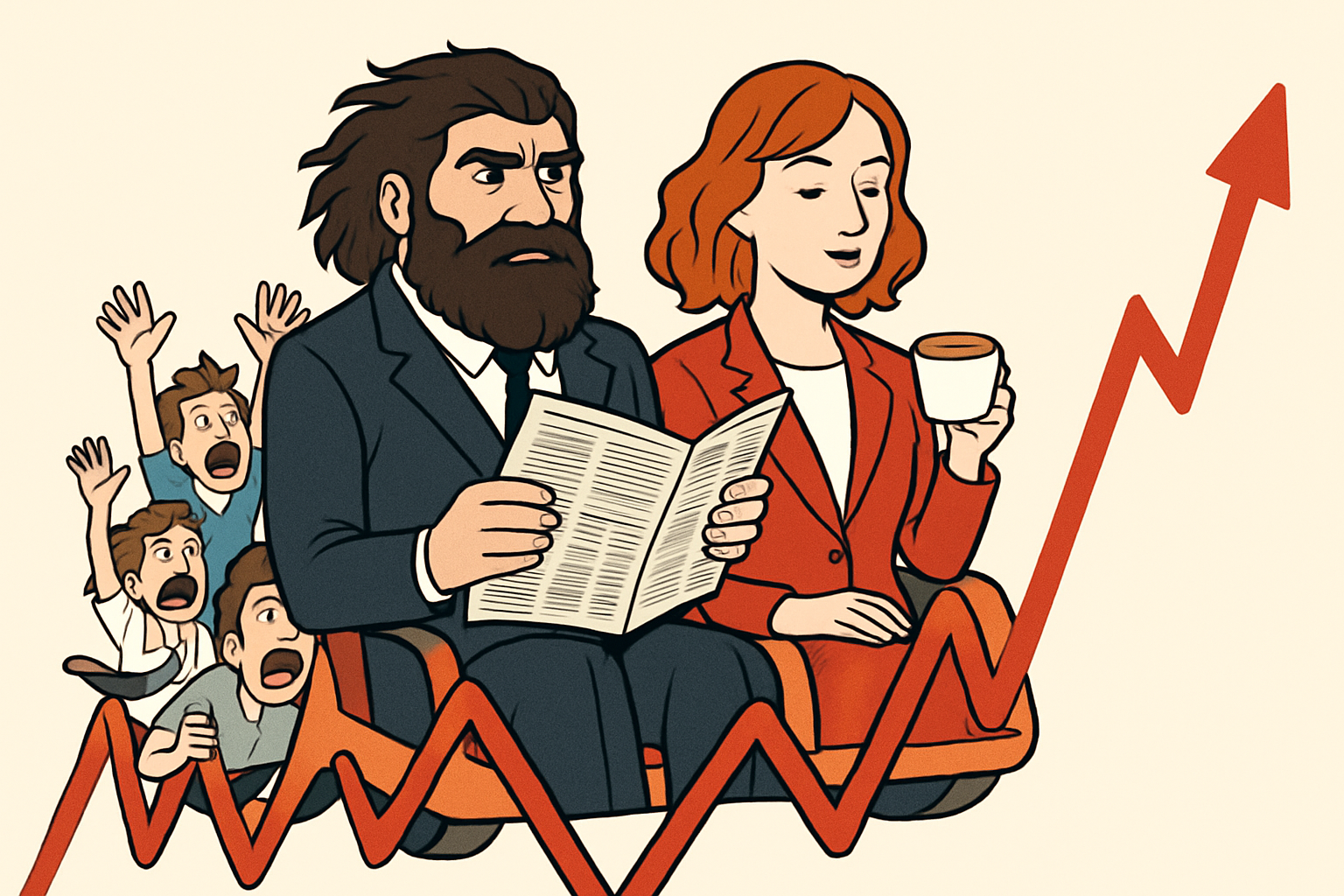
When everyone else is selling in panic, your ancient code tells you to follow the tribe. Safety in numbers. Run when others run. But in markets, the tribe is usually running straight off a cliff.
The edge comes from recognizing the feeling — that knot in your stomach when you’re about to buy while others are selling — and acting despite it. Not ignoring it. Acknowledging it and moving forward anyway.
Warren Buffett captured this perfectly: “Be fearful when others are greedy, and greedy when others are fearful.” This isn’t cute wordplay. It’s an instruction manual for overriding your primitive wiring.
I’ve started keeping a simple log of my investment emotions. When I feel the urge to buy or sell, I write down what I’m feeling first, then what’s driving that feeling. Usually, it’s some flavor of fear or greed disguised as analysis.
The goal isn’t to eliminate emotions — that’s impossible. The goal is to recognize them quickly enough to prevent expensive decisions.
Your Capital Allocation Is Emotional Allocation
Look at your portfolio right now. I mean actually look at it.
What does it tell you about your fears? If you’re 80% in cash and bonds, you’re probably terrified of losing money. If you’re 80% in crypto and growth stocks, you’re probably terrified of missing out.
Both are emotional decisions masquerading as rational ones.
True capital allocation starts with recognizing that every dollar you invest carries an emotional charge. The question isn’t whether to feel emotions — it’s whether to let those emotions make your decisions.
I know a surgeon who missed the entire 2020-2021 rally because he was “waiting for the real crash.” His analytical mind could recite every bearish argument, but underneath was pure fear. Fear of looking foolish. Fear of losing his hard-earned wealth. Fear of not being as smart as he thought.
That fear cost him roughly $200,000 in foregone gains on a $500,000 portfolio.
The Dopamine Trap of Day Trading
Why do you think Robinhood sends you confetti when you complete a trade? Because they understand your brain chemistry better than you do.
Every trade triggers a small dopamine hit — the same neurotransmitter that drives gambling addiction. Your primitive brain learns to associate trading with reward, even when most trades lose money.
The data is brutal: the average day trader loses money. A comprehensive study by Brad Barber and Terrance Odean found that the most active traders had gross returns of 11.4% annually, while the market returned 17.9%. After accounting for trading costs, the most active traders netted just 3.9% annually.
They traded their way to poverty while feeling like masters of the universe.
This is your reward system hijacked by Stone Age wiring. The same dopamine pathways that once rewarded successful hunts now reward clicking “buy” and “sell” buttons, regardless of whether those clicks create or destroy wealth.
What The Primal Investor Takes Away
• Name your instinct before making any significant investment decision. Ask: “What am I feeling right now, and is that feeling making this choice for me?”
• Inverse the crowd at emotional extremes. When everyone feels the same way about markets, they’re usually about to be wrong.
• Track your behavioral tax. Calculate what your emotional decisions have cost you over the past five years. The number will shock you into better habits.
• Design systems that override your primitive code. Automatic investments, rebalancing schedules, and stop-losses remove emotion from critical decisions.
• Recognize that intelligence doesn’t immunize you against ancient wiring. The smartest people often make the worst investors because they rationalize their emotional reactions.
Your brain will never stop being primitive. The goal is to recognize its whispers before they become shouts — and certainly before they become trades. In a world where everyone’s running the same ancient software, consciousness itself becomes your edge.
🎬 Prefer watching? Check out the video version on YouTube: