The Email That Changed Everything
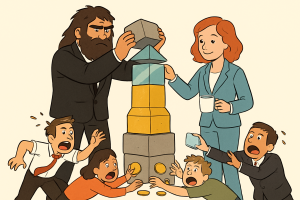
Marcus — 29, software developer in Denver — forwarded me a screenshot last Tuesday. His company’s internal Slack channel. The VP of Engineering had just announced they were “exploring AI solutions to optimize development workflows.”
Marcus typed back: “Cool, when do we start using it?”
The VP replied: “We’re not using it. We’re replacing 40% of the team with it.”
Marcus stared at his phone for twenty minutes. Then he called me.
“I thought I was safe,” he said. “I’m good at what I do. I work hard. I stay late. But none of that matters now, does it?”
Here’s what I told him: You’re asking the wrong question entirely.
I Made the Same Mistake in 2008
I know exactly how Marcus felt because I was there too. Different crisis, same panic.
When the financial collapse hit, I watched half my marketing agency disappear overnight. Clients vanished. Projects canceled. I spent three months applying to jobs that no longer existed, convinced that if I just worked harder, networked better, updated my resume more — someone would hire me.
I was obsessed with one question: “What should I do to survive this?”
But my neighbor Jim — 52, owned three rental properties — asked a completely different question during our coffee that October: “What should I buy while everyone else is panicking?”
Jim picked up two more properties that winter. Foreclosure auctions. Cash buyers only. He paid 60% of peak value.
By 2012, those properties were worth double what he paid. The rental income covered his mortgage by 2011.
While I was asking “How do I survive?”, Jim was asking “How do I capitalize?”
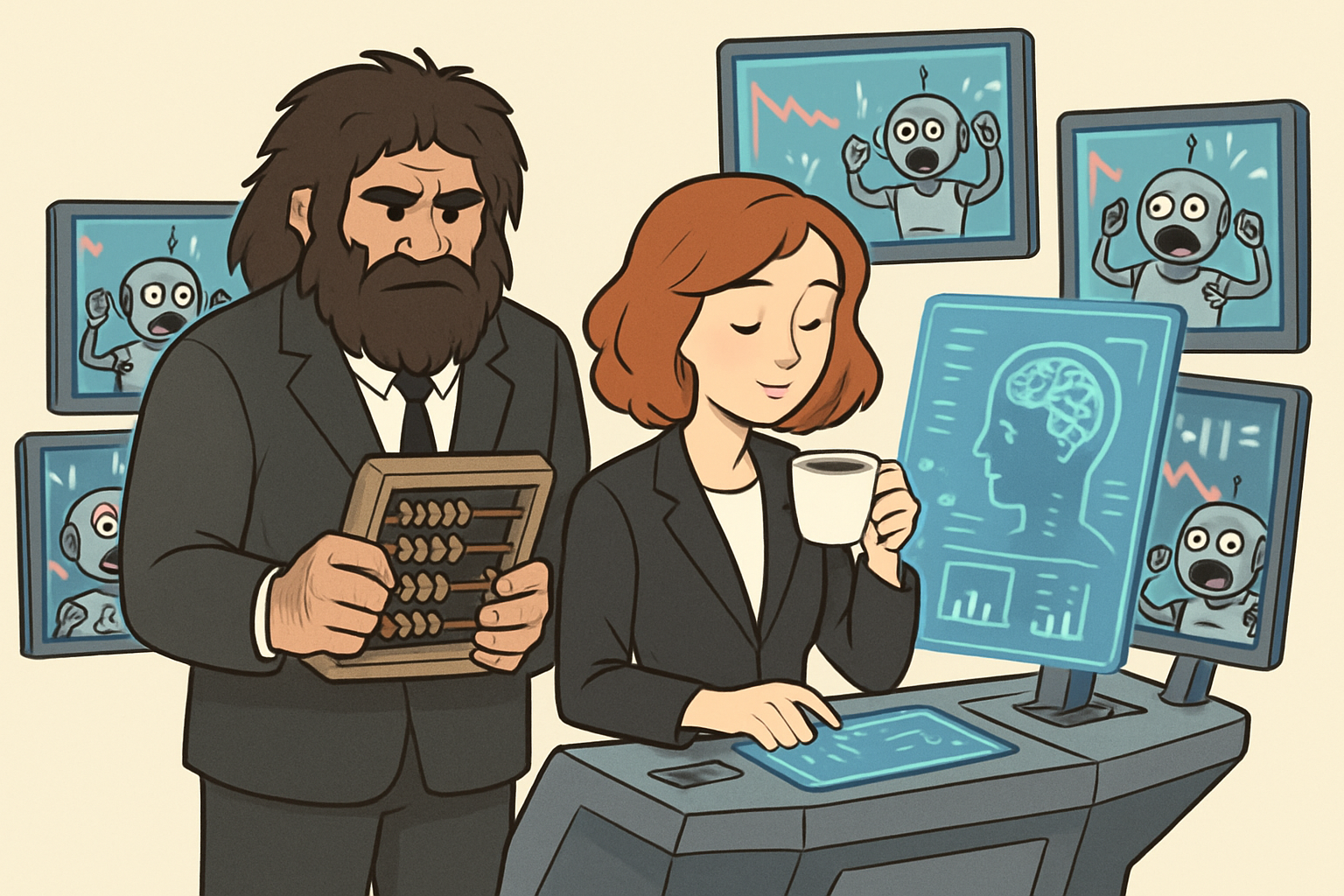
That’s the difference between workers and owners. Workers ask what to do. Owners ask what to buy.
Why Everyone Gets AI Economics Backwards
Walk into any coffee shop and listen to AI conversations. They sound exactly like Marcus:
“AI will take my job.”
“I need to learn AI skills.”
“Maybe I should go back to school.”
“How do I AI-proof my career?”
Every single person is asking the worker question: “What should I do?”
But here’s what 97% of people miss: AI doesn’t just eliminate jobs. It creates massive new forms of capital.
Think about what capital actually is. Capital is stored demand. When people desperately need something you own, you have capital.
Right now, people desperately need:
• AI tools that actually work for their specific business
• Data that trains AI models
• Computing power to run AI systems
• Human oversight of AI outputs
• Integration between old systems and new AI
Each of these needs represents stored demand. Each one can be owned.
The $47,000 Difference
Let me show you what this looks like in practice.
Sarah, a graphic designer, spent six months last year learning Midjourney, ChatGPT, and Adobe’s AI features. She got really good at AI-assisted design. She increased her output by 300%.
Her income went from $65,000 to $72,000. Nice bump.
Meanwhile, her client David — who owns a small marketing agency — made a different choice. Instead of learning AI tools himself, he bought a $15,000 license to an AI workflow platform. Then he hired three freelancers who already knew AI tools.
David’s agency revenue jumped from $180,000 to $340,000 in eight months. His personal cut increased by $47,000.
Sarah improved her labor. David bought capital.
Sarah still trades her time for money — she just trades it more efficiently. David bought a system that creates money whether he’s working or not.
What Are You Actually Buying?
But here’s where most people get confused. They think “buying AI capital” means purchasing tech stocks or crypto tokens.
Look. NVIDIA stock is great. But that’s not what I’m talking about.
Real AI capital isn’t abstract. It’s specific. It’s local. It’s boring.
My friend Tom owns a small accounting firm. Last year, he spent $8,000 on AI software that automates bookkeeping for restaurants. Now he handles 40% more clients with the same staff. His profit margin went from 23% to 41%.
That software isn’t just a tool. It’s capital. It stores the demand from restaurant owners who need bookkeeping but can’t afford a full-time accountant.
Another example: Lisa runs a content marketing agency. She bought exclusive rights to an AI writing tool for her city’s real estate market. Cost her $12,000 upfront. Now every realtor in town pays her $500 monthly for AI-generated property descriptions.
She doesn’t write the descriptions. The AI does. She just owns the system.
The real AI wealth explosion isn’t happening in Silicon Valley boardrooms. It’s happening in ordinary businesses where smart people are asking: “What AI capability can I own instead of just use?”
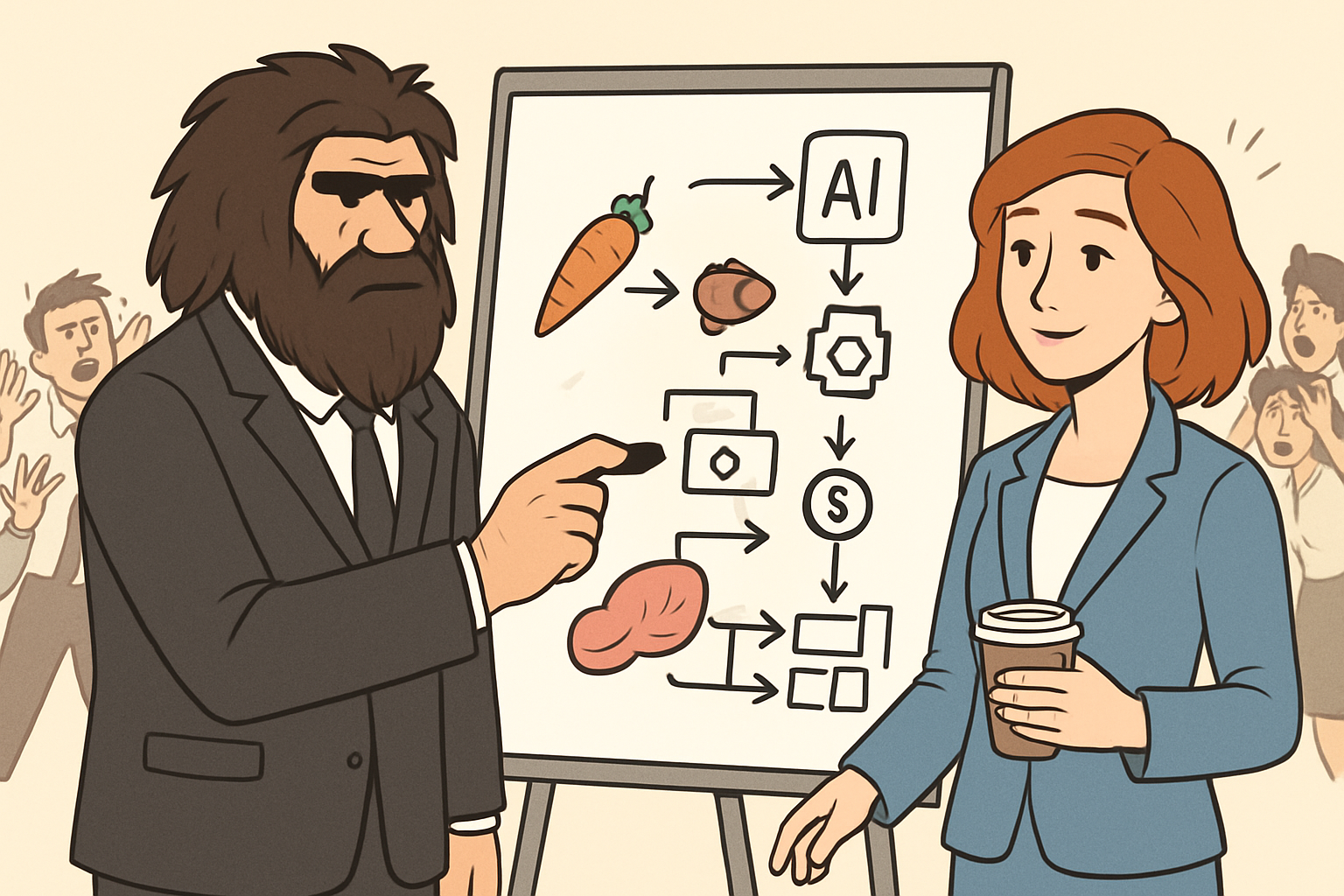
The Compound Effect Nobody Sees Coming
Here’s what makes this different from every other technological shift: AI capital compounds faster than any capital in human history.
When Tom’s AI bookkeeping software processes more restaurants, it gets better at restaurant bookkeeping. When Lisa’s real estate AI writes more property descriptions, it learns the local market language better.
Traditional capital just generates return. AI capital generates return and gets more valuable.
But only if you own it.
If you’re just using AI tools someone else owns, you’re making them more valuable while you stay exactly where you are. You’re improving their capital while trading your time for money.
Every ChatGPT prompt you write makes OpenAI’s model more valuable. Every image you generate makes Midjourney’s dataset richer. Every query you run makes their systems smarter.
You’re doing free labor for their capital while calling it “productivity.”
The Question That Separates Owners From Workers
So how do you flip this script?
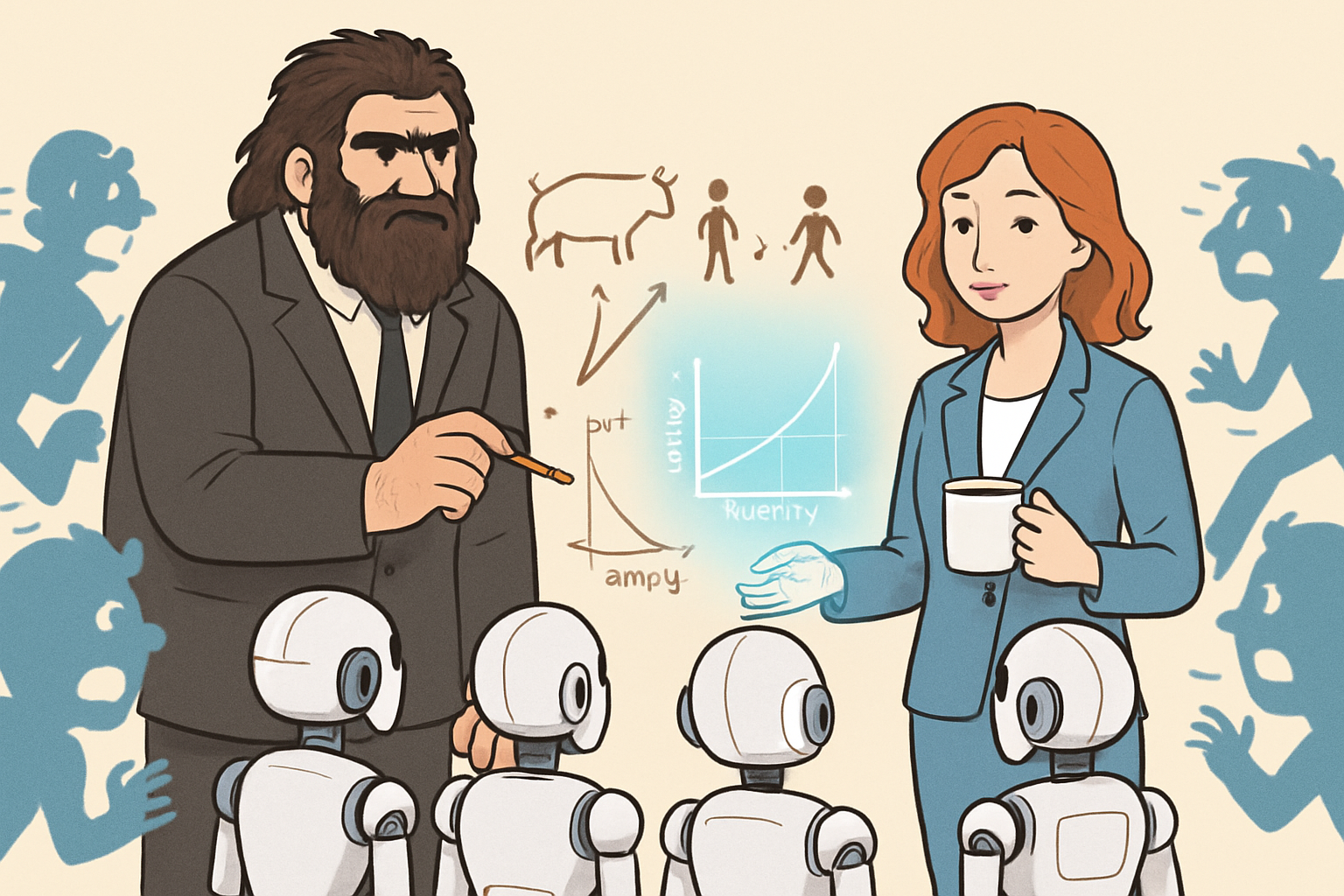
Start with one question: “What AI demand can I capture and own?”
Not “How do I use AI better?” Not “How do I AI-proof my career?” Not “What AI skills should I learn?”
“What AI demand can I capture and own?”
Maybe it’s buying the local license for an AI tool your industry needs. Maybe it’s creating a database that AI models require for your region. Maybe it’s building a simple service that connects existing AI tools to a specific business process.
The key is ownership. You’re not trying to become a better AI user. You’re trying to become an AI capital owner.
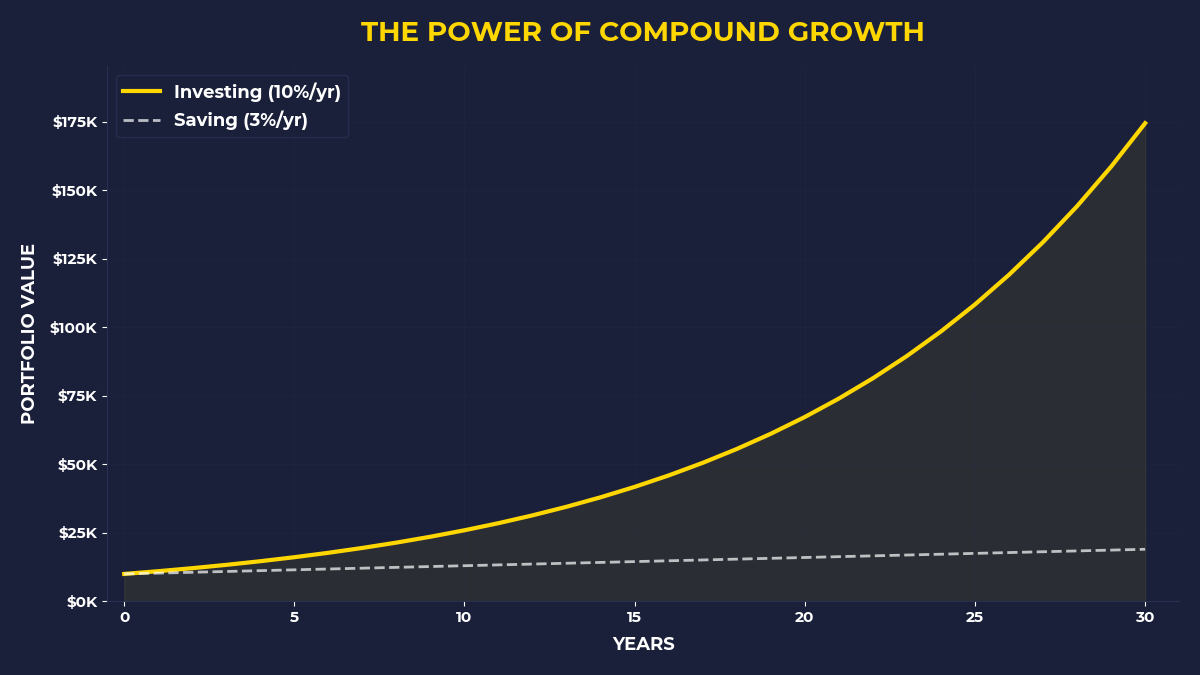
Because here’s what happens in the next five years: The people who own AI capital will get exponentially richer. The people who just use AI tools will get marginally more efficient.
Marginal efficiency gains don’t create wealth. Compound capital gains do.

If You’re Someone Who Sees What’s Coming
This post isn’t for everyone. It’s for the person who’s starting to realize that the old playbook — work harder, get better skills, climb the ladder — doesn’t work when the ladder itself is being rebuilt by machines.
It’s for someone like Marcus, who got that Slack message and realized his job security was never real security at all.
It’s for the person who’s tired of making other people’s AI investments more valuable while their own paycheck stays flat.
If that’s you, then you’re looking at the biggest wealth transfer in human history. And you have maybe eighteen months before the obvious opportunities disappear.
The One Thing To Remember
AI will create two economic classes: those who own demand-capturing systems and those who feed data into systems they’ll never own. The wealth gap between these groups will be larger than anything we’ve seen before, and it’s forming right now. Most people are positioning themselves to be efficient users of other people’s AI capital. Smart money is positioning itself to own the AI capital that others will use.
• Find one AI workflow in your industry that businesses desperately need but can’t afford to build themselves
• Buy, build, or license that capability instead of just learning to use someone else’s
• Focus on local, specific, boring applications where you can actually own market share
🎬 Prefer watching? Check out the video version on YouTube:
👉 https://www.youtube.com/@PrimalContrarian
Subscribe for daily insights on capital, wealth, and contrarian thinking.