Marcus — 29, software engineer in Denver — called me last Tuesday at 11 PM, completely panicked. He’d just sold his entire stock portfolio. Again.
“The market dropped 8% today,” he said. “I couldn’t watch my savings disappear.”
This was the third time in two years Marcus had done this exact thing. Buy when everything feels safe, sell when his stomach churns. He’d lost more money “protecting” his portfolio than most people lose gambling.
I Used To Be Marcus
I know exactly how Marcus felt because I was there too. March 2020, when COVID hit and the market crashed 30% in three weeks. I watched my portfolio — built over five years of careful investing — cut in half.
My brain started screaming: “Get out. Save what’s left. This is different. This time it won’t recover.”
I sold everything on March 23rd, 2020. Bottom tick, basically. Then I watched from the sidelines as the market roared back 70% over the next year. I’d turned a temporary 30% paper loss into a permanent 40% real loss. My brain had “protected” me right out of the biggest wealth-building opportunity of my lifetime.
That’s when I realized something that changed everything: **my brain wasn’t built for building wealth. It was built for not dying.**
Your Stone Age Brain Meets Wall Street
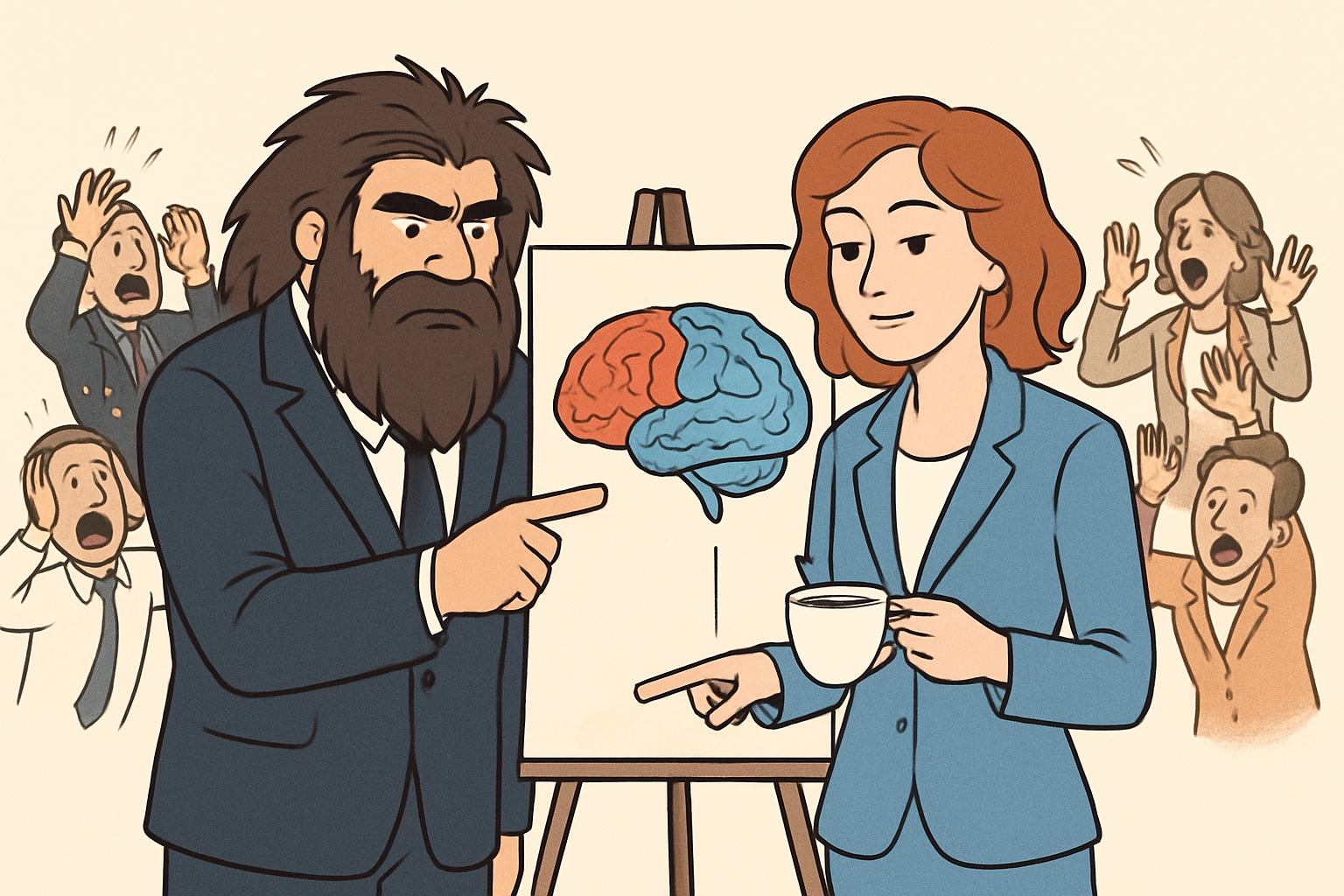
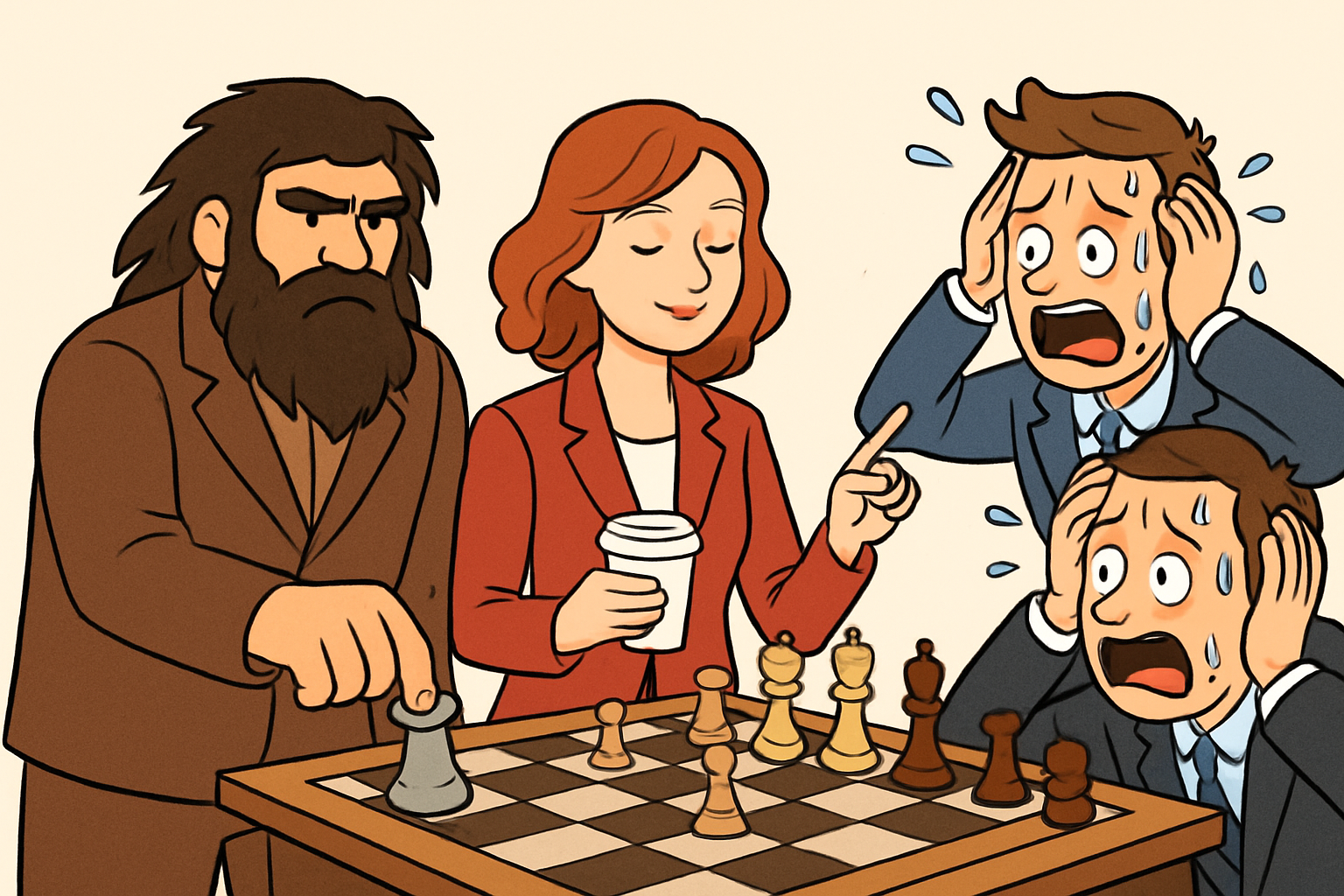
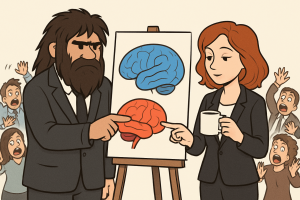
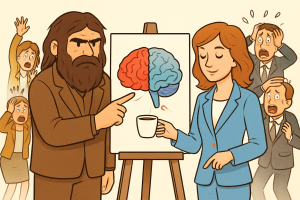
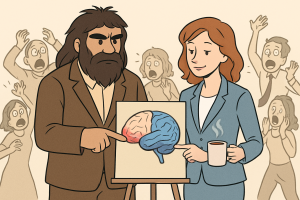
Here’s what nobody tells you about behavioral finance: your brain is running 50,000-year-old software on 2024 problems.
Back when humans lived in caves, the guy who heard rustling in the bushes and assumed “tiger” lived longer than the guy who assumed “wind.” Our ancestors survived by being paranoid, impulsive, and obsessed with immediate threats. The optimists became lunch.
That same code is still running in your head. When the market drops, your amygdala — the ancient alarm system — floods your body with the same chemicals that helped your great-great-great-grandfather escape saber-toothed cats.
Problem is, running from market volatility is like running from rain. It’s temporary, it’s natural, and hiding from it usually makes things worse.
But your brain doesn’t know that. To your brain, a 20% market drop feels identical to mortal danger. So it screams: “SELL EVERYTHING. SAVE YOURSELF.”
The Five Patterns That Keep You Poor
Let me show you how this ancient code sabotages your money, using Marcus as our example.
Pattern #1: Loss Aversion
Marcus feels the pain of losing $1,000 about twice as intensely as the pleasure of gaining $1,000. This isn’t weakness — it’s hardwired. Scientists call it loss aversion, and it makes you treat paper losses like real losses. Marcus sold his portfolio not because he needed the money, but because watching the numbers go down hurt more than he could stand.
Pattern #2: Recency Bias
Marcus’s brain gives massive weight to recent events. The market dropped 8% yesterday? That feels like the new permanent reality. The fact that it’s up 23% over the past two years? Ancient history. Your brain assumes whatever happened last will keep happening forever.
Pattern #3: Herding
When Marcus sees other investors panicking, his mirror neurons fire. Panic becomes contagious. Back in cave times, if everyone was running, you ran too — no questions asked. Today, when CNBC shows traders freaking out, Marcus’s brain thinks: “The tribe is fleeing. I should flee too.”
Pattern #4: Mental Accounting
Marcus treats his “investment money” differently than his “spending money,” even though it’s all just money. He’ll drive across town to save $20 on groceries but won’t spend 20 minutes researching a $10,000 investment decision. His brain puts money into arbitrary buckets with different rules.
Pattern #5: Present Bias
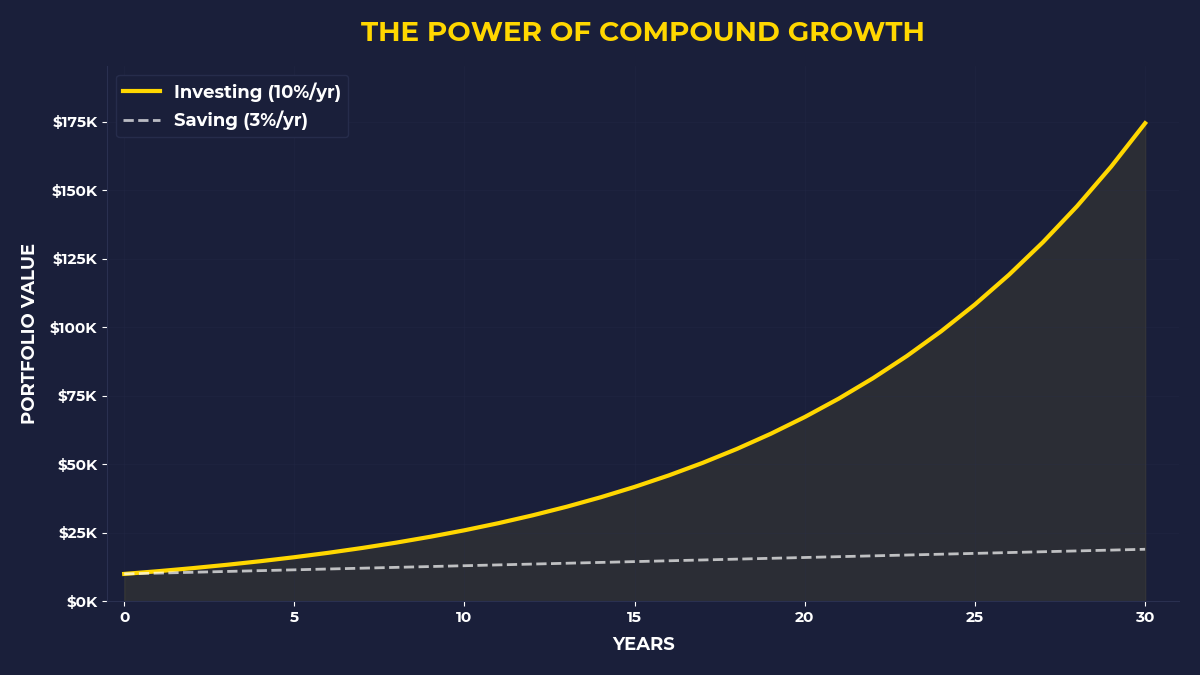
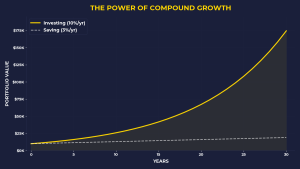
Marcus’s brain values immediate rewards exponentially more than future ones. He’ll spend $12 on lunch without thinking but agonizes over investing $100 that could become $800 in ten years. To his ancient brain, food today beats wealth tomorrow.
The Exact Moment I Figured This Out
I was sitting in my apartment three months after my 2020 panic sell, watching the market hit new highs. My portfolio should have been worth $47,000. Instead, I had $28,000 in cash earning 0.1% in a savings account.
That’s when it hit me: I wasn’t making rational decisions. I was following a script written by evolution for completely different problems.
The solution wasn’t to fight my brain — that never works. The solution was to design a system that worked with my brain’s flaws, not against them.
How To Outsmart Your Own Brain
Want to know the weirdest part? Once you see these patterns, you can’t unsee them. And once you can’t unsee them, you can start working around them.
Here’s what I learned:
Automate Everything
Your brain can’t sabotage decisions you don’t have to make. I set up automatic transfers that buy $500 worth of index funds every two weeks, no matter what. Market up? Buying. Market down? Buying. My brain never gets a vote.
Reframe Volatility
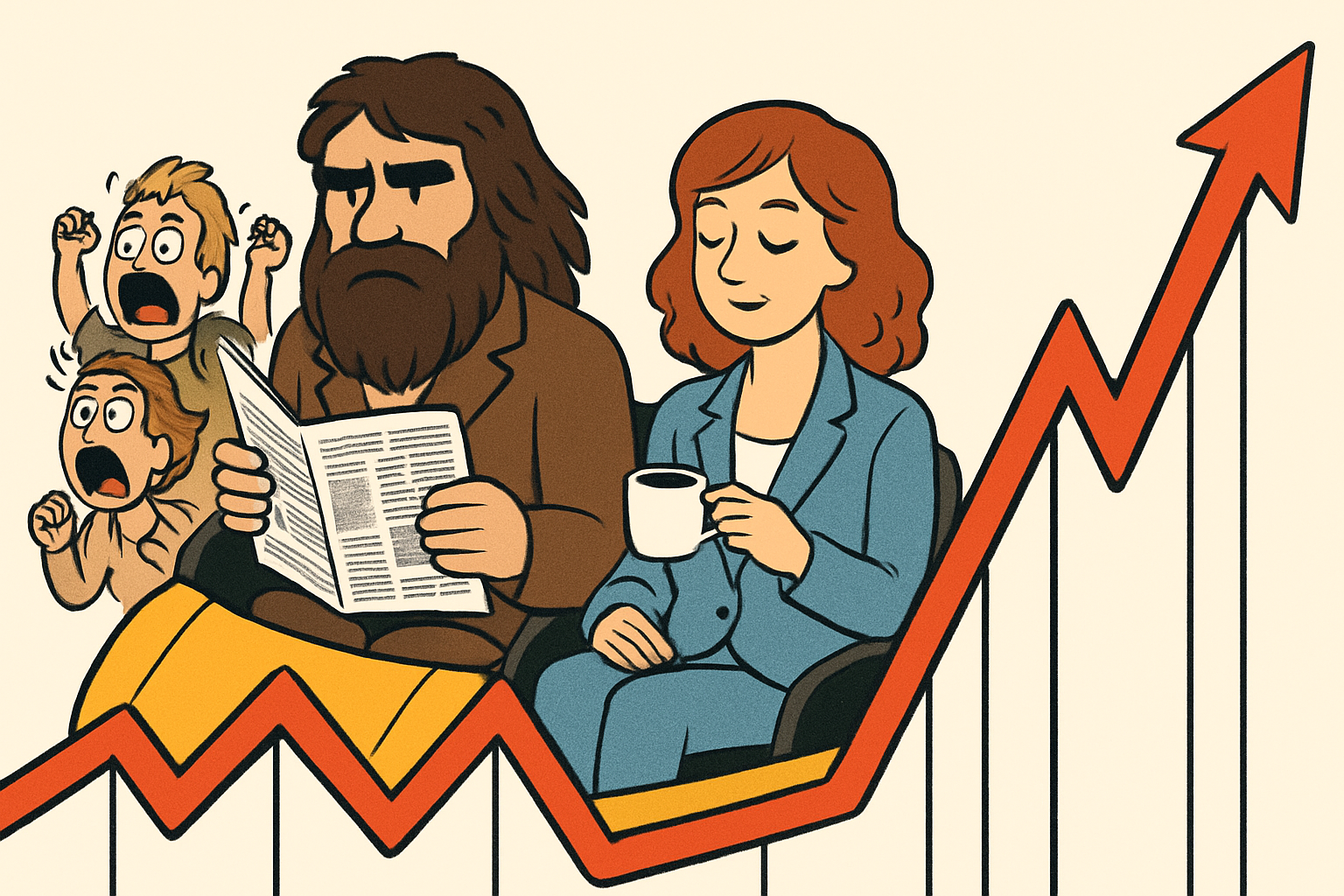
When the market drops, I don’t see losses — I see discounts. That 20% crash? Everything I wanted to buy just went on sale. My brain still feels the fear, but now I have a competing narrative: “scared money makes no money, but smart money buys the dip.”
Use Social Proof Correctly
Instead of watching financial news (which profits from keeping you scared), I study what the richest people actually do during crashes. Warren Buffett doesn’t panic-sell. He buys more. Ray Dalio doesn’t flee to cash. He rebalances. I let their behavior influence mine instead of letting talking heads influence mine.
Separate Decisions From Emotions
I made all my investing rules during calm periods, then wrote them down. When my brain starts panicking, I don’t make new decisions — I follow the rules I made when I was thinking clearly. It’s like leaving instructions for my future panicked self.
The One Thing Marcus Had To Learn
When Marcus called me panicked last Tuesday, I told him something that stopped him cold:
“Your brain is trying to save your life. But building wealth isn’t about survival — it’s about playing a different game entirely.”
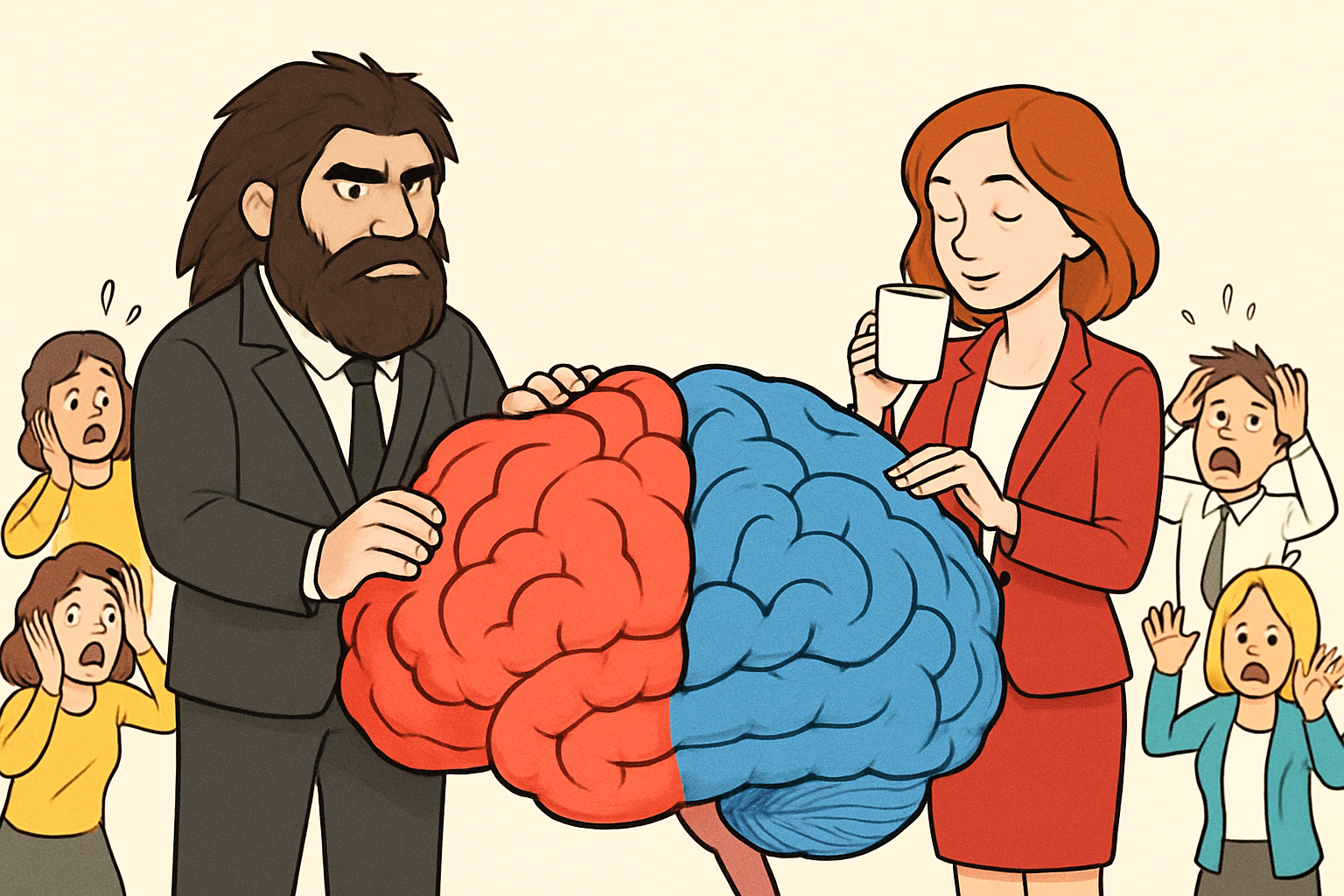
The game of survival rewards paranoia, impulsiveness, and short-term thinking. The game of wealth rewards patience, contrarian thinking, and delayed gratification. Same brain, completely different rules.
Marcus didn’t need to become a different person. He needed to recognize when his ancient code was running and have better systems in place for those moments.
If You’re Someone Who Keeps Making The Same Money Mistakes
If you’re someone who panics when markets drop, chases performance after it’s gone, or talks yourself out of investing when you should be doubling down — you’re not broken. You’re human.
Your brain is doing exactly what it’s supposed to do: keep you alive. The problem is that the behaviors that kept humans alive for millennia are the exact behaviors that keep you poor today.
But here’s the thing: you don’t have to fight your brain. You just have to outsmart it.
The One Thing To Remember
**Your brain’s financial advice comes from a world where immediate threats mattered more than long-term wealth.** In that world, the paranoid survived and the optimistic died. But in today’s world, the paranoid stay poor and the patient get rich. The same mental patterns that saved your ancestors’ lives are now sabotaging your financial future. Once you see this, you can start designing systems that work with your flaws instead of against them.
Here’s what you can do today:
• Set up automatic investing so your brain can’t interfere with good decisions
• Write down your investment rules during calm periods, before fear takes over
• Reframe market drops as sales, not threats — your brain needs a competing story
🎬 Prefer watching? Check out the video version on YouTube: