Your rent check reveals everything wrong with how you think about money.
Every month, you write that check to someone who bought demand — demand for shelter — and stored it in real estate. They’re not working for that money. You are. They bought the asset once. You pay them forever.
Look at your bank statement. Mortgage payment to a lender who bought your demand for homeownership. Car payment to someone who financed your demand for transportation. Netflix subscription to someone who owns your demand for entertainment. Even your morning coffee flows to someone who owns demand for caffeine and convenience.
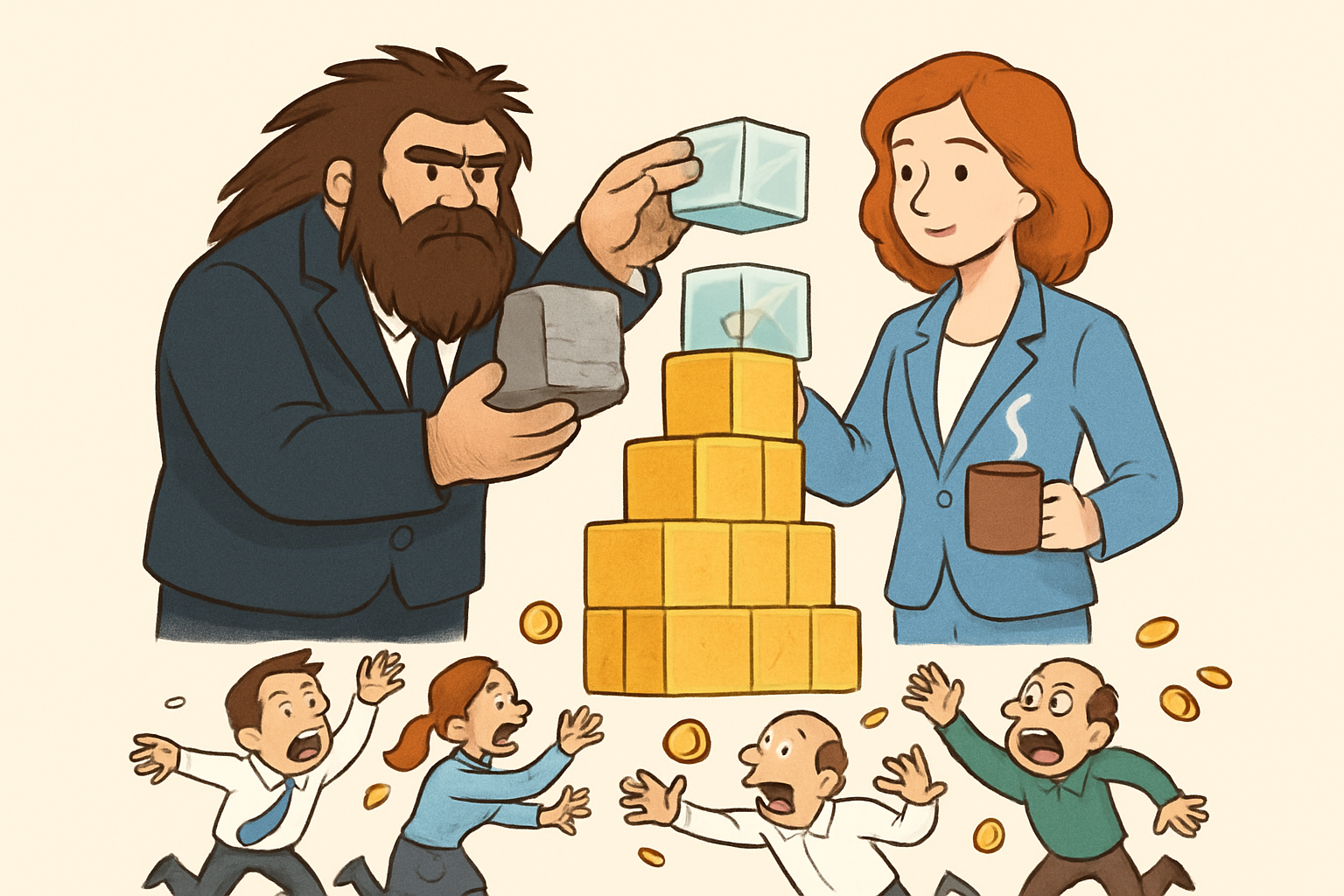
Here’s what most people miss: **capital isn’t the money sitting in your savings account. Capital is stored demand.**
I Used To Confuse Money With Capital
I spent my twenties thinking wealth meant having money.
When I was 26, I had $47,000 in my checking account and felt rich. I was saving aggressively, living below my means, following all the personal finance advice. But I was still trading time for money, just storing the excess in a bank that paid me 0.1% while lending it out at 4.8%.
I was accumulating money, not capital.
The difference hit me when I started looking at where my paycheck actually went. Rent to a real estate owner. Car payment to Toyota’s financing arm. Student loan payment to the Department of Education. Insurance premiums to companies that owned my demand for protection from financial risk.
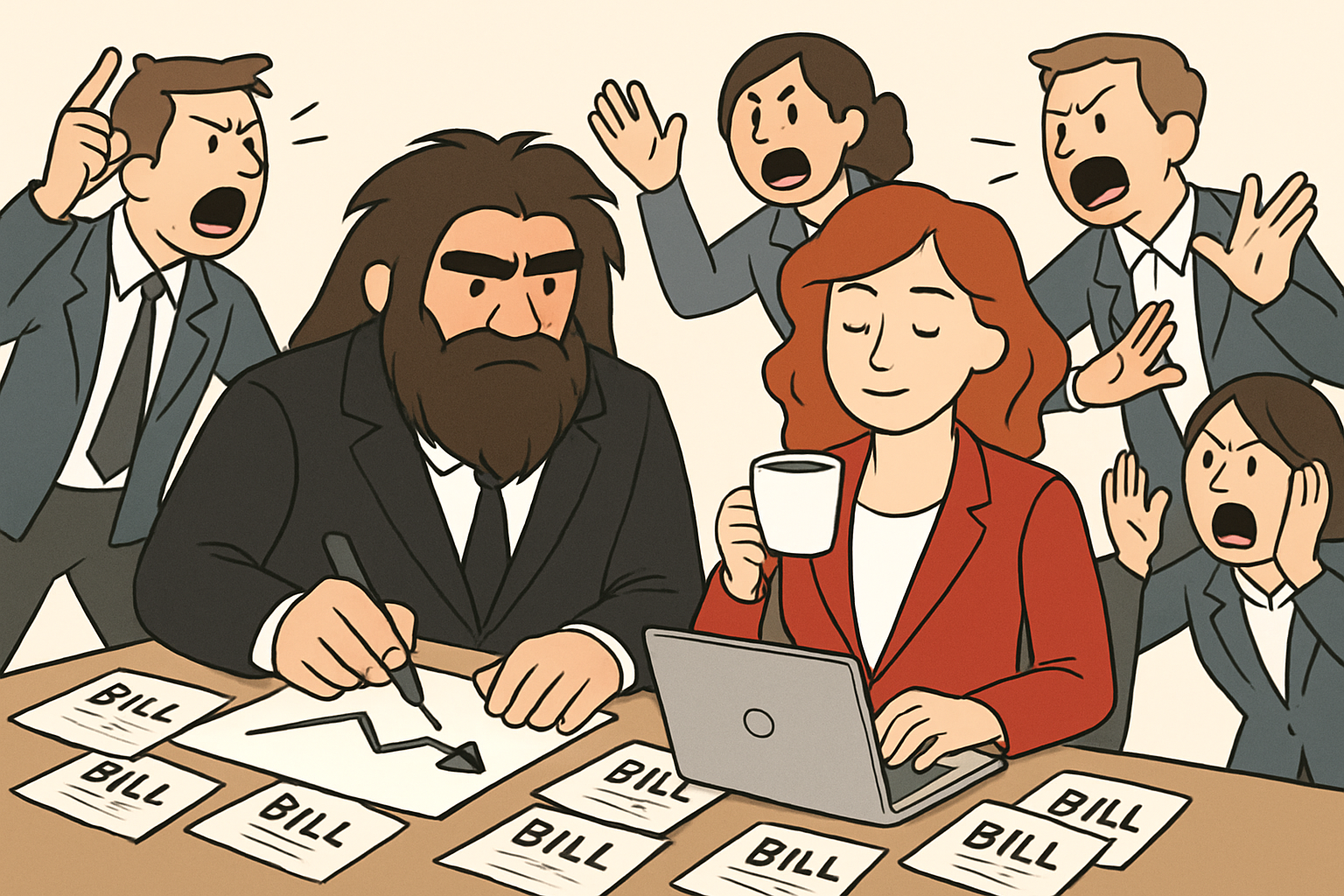
I was paying everyone else’s capital first. Then living on what was left.
Why Famous People Get Rich From One Hit
Think about why a singer with one popular song can make millions while someone working 60-hour weeks for 20 years barely breaks even.
The singer captured demand. Not temporary demand — stored demand.
When Billie Eilish recorded “Bad Guy” in 2019, she wasn’t just creating a song. She was creating an asset that would generate cash flow every time someone streamed it, used it in a commercial, or played it at a wedding. The song became a storage device for demand.
The 60-hour-per-week worker is selling time. The singer sold access to stored demand.
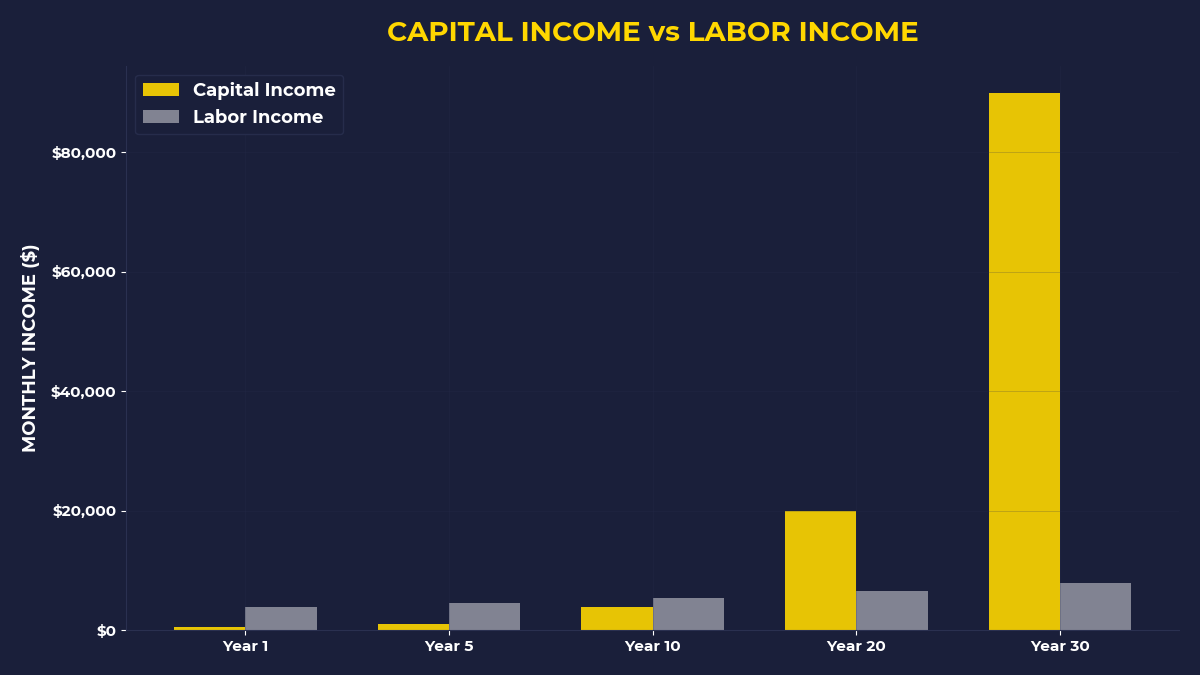
Here’s the brutal math: Time is finite. Demand compounds.
The person working those 60-hour weeks might earn $75,000 annually. If they work 40 years, that’s $3 million in total lifetime earnings — assuming they never get sick, never get laid off, never have their industry disrupted.
Billie Eilish’s single song has generated over $50 million in revenue since 2019. One asset. Infinite leverage.
What Capital Actually Is
Capital is any structure that stores and redirects human demand.
A McDonald’s franchise stores demand for quick, consistent food. A patent stores demand for a specific solution. A stock portfolio stores demand for the goods and services those companies provide. A rental property stores demand for location and shelter.
The key word is *stores*.
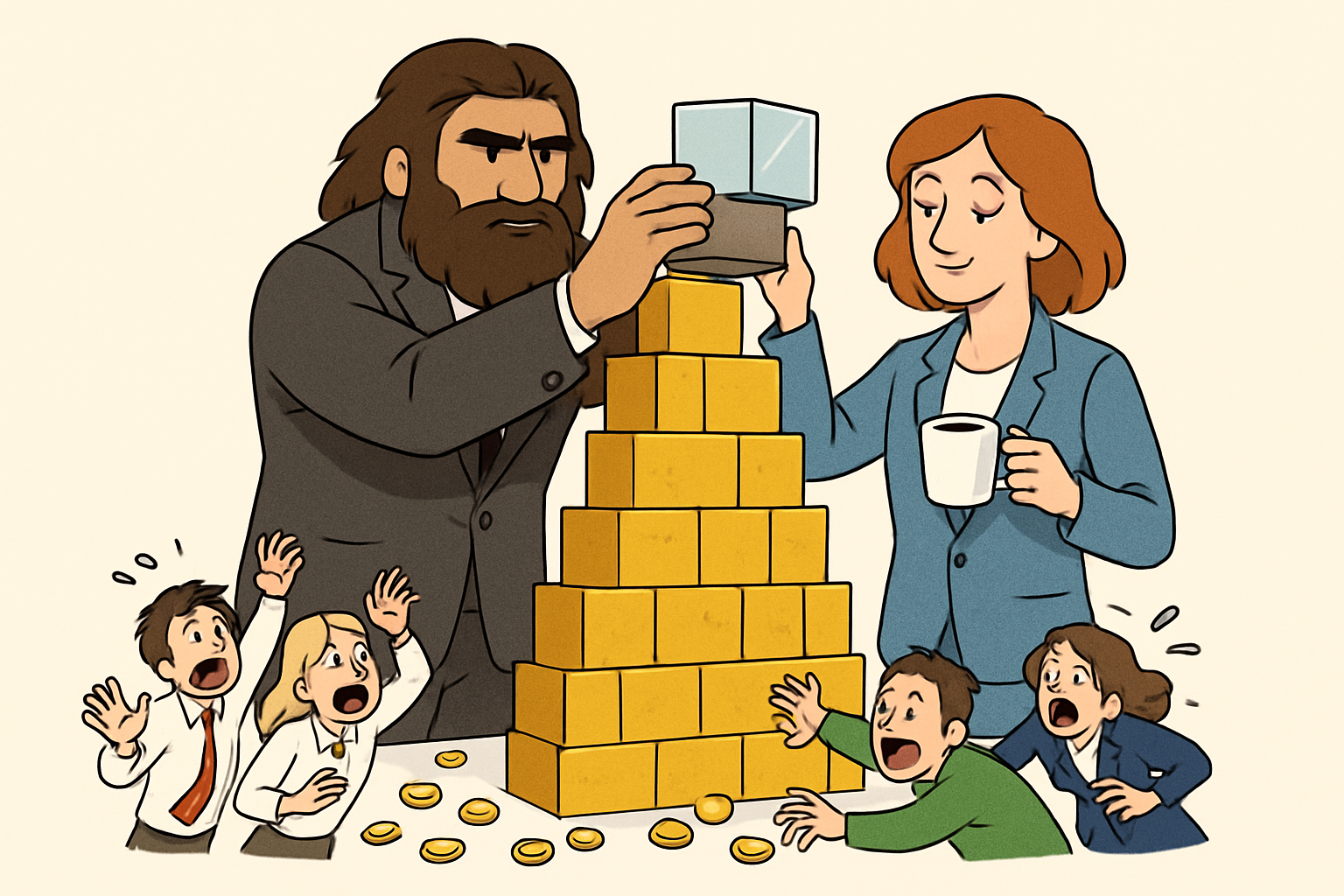
Money flows. Capital captures that flow and redirects it to the owner.
When Warren Buffett was 13, he bought a used pinball machine for $25 and placed it in a barbershop. The machine captured demand for entertainment from waiting customers. Within months, he owned three machines generating $50 per week in 1943 dollars — roughly $800 per week in today’s money.
The barbershop customers had demand. Buffett built a structure to capture and monetize that demand. Then he used the cash flow to buy more demand-capture devices.
The Compound Interest You’re Not Getting
Everyone talks about compound interest. Almost nobody gets it.
Real compound interest isn’t your savings account growing at 2.1% annually. Real compound interest is buying cash-flowing assets, then using that cash flow to buy more cash-flowing assets.
Let me show you how this works with a story from the 1930s.
A man named Harry noticed that coin-operated scales in drugstores generated about $20 per month for the store owner, who kept 75% of the revenue. Harry bought his first scale for $175. It generated $98 monthly.
Here’s where most people would stop. They’d enjoy their $98 per month and call it passive income.
Harry used that $98 to buy his second scale. Then his third. Then his fourth. By the time he was done, he owned 70 scales generating $1,750 per month in 1930s dollars.
That’s compound interest. Not money earning interest. Assets buying more assets.
Why You Keep Trading Time For Money
Your brain is wired to think about immediate survival, not wealth creation.
When you get your paycheck, your first instinct is to pay the bills. Rent, utilities, groceries, car payment. These feel urgent because they are. Miss a rent payment and you’re homeless. Miss a car payment and you can’t get to work.
But this sequence — paycheck to bills to leftover money — guarantees you’ll stay poor.
You’re paying capital owners first. Always.
Robert Kiyosaki learned this lesson when he was broke and living in a friend’s garage. Despite the financial pressure, he forced himself to invest first, pay bills second. When he couldn’t cover the bills, he took weekend jobs to make up the difference.
The psychological shift is crucial: **Pay yourself first means buy assets first.**
The Question That Changes Everything
What should you buy instead of asking what should you do?
Most career advice focuses on what you should do. Learn new skills. Network more effectively. Negotiate better salaries. Work harder. These aren’t wrong, but they’re incomplete.
Capital owners ask different questions: What demand can I capture? What asset generates cash flow? What structure pays me whether I work or not?
When someone wants to start a business, they usually think: “What skills do I have? What can I do better than others?”
A capital thinker asks: “What demand exists that I can capture and store? What system can I build that generates cash flow without my direct involvement?”
The difference between these mindsets is the difference between building a job and building capital.
If You’re Still Trading Time For Money
This matters most if you’ve been working for years but still feel broke.
If your income depends entirely on your continued effort — if you stop working and the money stops flowing — you don’t own capital. You’re selling time.
Even high earners fall into this trap. A surgeon making $500,000 per year is still trading time for money. A software engineer making $200,000 is still trading time for money. They’re just trading at a higher rate.
The surgeon owns no capital unless they buy assets with their surgical income. The software engineer builds no wealth unless they convert their salary into demand-capturing structures.
Here’s what the brain chemistry looks like: Every month, you feel good paying your bills. It triggers a small hit of accomplishment. You’ve met your obligations. You’re a responsible adult.
But you just sent your money to capital owners.
The person who owns your apartment building gets your rent check and uses part of it to buy another property. The bank that financed your car uses your payment to fund more loans. Your insurance company invests your premiums in dividend-paying stocks.
They’re using your money to buy more demand-capturing assets.
The Contrarian Move
Buy assets before you feel comfortable buying assets.
Most people wait until they’ve saved enough money to “invest responsibly.” They build emergency funds, pay down all debt, then start thinking about assets.
Meanwhile, inflation is destroying the purchasing power of their emergency fund, and they’re missing years of potential cash flow from the assets they could have bought.
The contrarian move is to buy small pieces of cash-flowing assets immediately. $100 into an S&P 500 index fund captures demand from the largest companies in America. $500 into a REIT captures demand for commercial real estate. $1,000 into dividend-paying stocks captures demand for products and services those companies provide.
You’re not trying to get rich from these small purchases. You’re training your brain to think like a capital owner instead of a time-seller.
What The Primal Investor Takes Away
• **Capital is stored demand, not money in your bank account.** Every dollar in savings is potential capital you haven’t deployed yet.
• **Pay yourself first means buy assets first.** Before rent, before groceries, before anything else — buy something that pays you back.
• **Ask “What should I buy?” instead of “What should I do?”** Your time is finite. Demand is infinite. Capture demand.
• **Start small but start immediately.** $50 per month into demand-capturing assets trains your brain and builds the habit. The amount matters less than the consistency.
• **Every bill you pay is someone else’s cash flow.** Your rent check is their passive income. Your car payment funds their next acquisition.
The game isn’t about working harder or earning more. It’s about capturing demand and storing it in structures that pay you forever. Stop trading your finite time. Start buying infinite demand.
🎬 Prefer watching? Check out the video version on YouTube: