Marcus — 29, software engineer in Denver — made the same trade twice in six months. March 2020: sold his entire portfolio when the S&P 500 dropped 34%. November 2021: bought back in when everything hit all-time highs.
He lost $47,000.
Not because he’s stupid. Marcus has a computer science degree and builds machine learning algorithms for a living. He understands logic, probability, and pattern recognition better than 90% of investors.
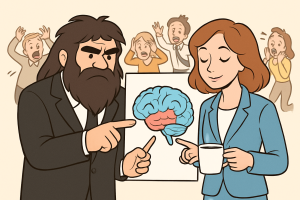
But his brain isn’t wired for investing. It’s wired for survival.
When everyone around him was panicking in March 2020 — his coworkers, his Twitter feed, his parents calling about their 401ks — Marcus felt that ancient alarm system screaming: “DANGER. GET OUT. NOW.” So he sold everything.
When markets recovered and hit new highs throughout 2021, that same ancient system whispered: “Everyone’s making money. You’re missing out. You’re falling behind.” So he bought back in at the worst possible time.
Marcus had become another casualty of the behavioral investment trap that captures 97% of individual investors: buying high when it feels safe, selling low when it feels scary.
I Know This Story Because I Lived It Too
I once watched $23,000 disappear from my account in three weeks during the 2018 market correction. My first instinct? Sell everything and hide in cash.
I remember sitting in my apartment at 2 AM, staring at my phone screen. The numbers were all red. My portfolio was bleeding. And my brain was screaming the same message it had been programmed to scream for thousands of years: “RUN.”
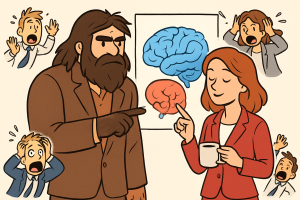
Here’s the thing about that ancient programming — it kept our ancestors alive when saber-tooth tigers showed up. But it destroys modern wealth building.
The same mental circuitry that made early humans survive famines by hoarding food now makes us hoard cash when we should be buying assets. The same fear response that saved our ancestors from predators now makes us sell stocks at the bottom of crashes.
We’re running Stone Age software on modern financial problems.
Why Your Brain Sabotages Your Wealth
Think about the last time you felt genuinely excited about buying stocks. I’m willing to bet it was when markets were near all-time highs, everyone was talking about their gains, and investing felt “safe.”
That excitement? That’s not rational analysis. That’s herd behavior.
Your brain evolved to keep you alive in groups. When the tribe runs, you run. When the tribe celebrates, you celebrate. When everyone else is buying stocks and getting rich, your ancient wiring says: “Join them or get left behind.”
But here’s the brutal truth: by the time investing feels safe and exciting, it’s usually too late.
Real wealth gets built when investing feels scary, uncertain, and lonely. When your friends think you’re crazy for buying. When headlines are screaming doom. When your gut is telling you to run.
That’s not a bug in the system. That’s the feature.
Marcus learned this lesson the expensive way. The $47,000 he lost taught him something no finance textbook could: **contrarian investing isn’t just about being different from the crowd. It’s about being different from yourself.**
The Thermostat Analogy That Changes Everything
I want you to think about your home thermostat for a second.
When the temperature drops, the heat kicks on. When it gets too warm, the air conditioning starts. The thermostat doesn’t wait until the house is freezing to turn on the heat. It responds to small changes automatically.
Your investment behavior should work the same way. But instead, most people operate like a broken thermostat — they turn the heat on when it’s already summer and blast the AC when it’s already winter.
Contrarian investors flip the script. They buy when others sell. They sell when others buy. They treat market emotions like a thermostat reading — when fear spikes, they get interested. When greed peaks, they get cautious.
This isn’t about timing the market perfectly. It’s about recognizing that your natural instincts around money are usually wrong.
Marcus figured this out after his expensive lesson. Now when he feels that familiar urge to sell during a crash, he takes it as a signal to buy more. When investing starts feeling easy and everyone’s bragging about their returns, he gets nervous.
He’s learned to trust his discomfort.
The $3,000 Per Month Test
Here’s a question that reveals everything about your investing psychology: Would you rather make $3,000 per month from your investments when the stock market is crashing, or lose $1,000 per month when everyone else is getting rich?
Most people choose the second option without thinking about it. They’d rather lose money with the crowd than make money alone.
That choice — social comfort over financial gain — is why 89% of individual investors underperform the market over 20-year periods. They’re optimizing for emotional safety, not wealth building.
Contrarian investors optimize for the opposite. They’re willing to be uncomfortable, lonely, and temporarily wrong if it means being financially right in the long run.
Look, I get it. There’s something deeply unsettling about buying when everyone else is selling. Every fiber of your being screams that you’re making a mistake. Your friends think you’ve lost your mind. Financial media is predicting doom.
But that discomfort is the price of admission to real wealth building.
The One Pattern That Repeats Forever
I’ve watched this same cycle play out five times in my investing career:
Crisis hits. Everyone panics. Prices crash. Media predicts the end of capitalism. Smart money quietly buys. Markets recover. Prices hit new highs. Everyone celebrates. New investors pile in. Smart money quietly sells.
Rinse and repeat.
The pattern never changes because human psychology never changes. Fear and greed drive the same behaviors they’ve driven for centuries.
But here’s what most people miss: the pattern only works if you can override your programming.
When Marcus bought back into the market in November 2021, he wasn’t responding to financial analysis. He was responding to social pressure. Everyone around him was making money, and he felt left out.
When he sold in March 2020, he wasn’t responding to his investment thesis. He was responding to ancient fear circuits that mistook market volatility for physical danger.
Both decisions felt right in the moment. Both destroyed wealth.
If You’re Someone Who Keeps Making the Same Money Mistakes
Maybe you’re tired of buying high and selling low. Maybe you’re frustrated with your own emotional reactions to market moves. Maybe you recognize yourself in Marcus’s story.
If that’s you, here’s the uncomfortable truth: your biggest enemy isn’t market crashes or economic uncertainty. Your biggest enemy is the voice in your head that sounds like common sense but consistently leads you astray.
The goal isn’t to eliminate emotions from investing. The goal is to recognize when your emotions are trying to protect you from exactly the opportunities you should be pursuing.
Fear often signals opportunity. Comfort often signals danger. The crowd is usually wrong at the moments that matter most.
The One Thing To Remember
**Your brain evolved to keep you alive, not make you rich.** The same mental shortcuts that helped our ancestors survive in dangerous, unpredictable environments now sabotage wealth building in modern markets. Contrarian investing isn’t about being smarter than everyone else — it’s about recognizing when your ancient programming is leading you toward financial self-destruction. The moments when investing feels most dangerous are often when it’s most profitable. The moments when it feels safest are often when it’s most risky.
• Next time you feel an overwhelming urge to sell during a market crash, write down exactly why you want to sell. Then wait 48 hours before doing anything.
• When investing starts feeling easy and everyone’s bragging about their returns, that’s your signal to get cautious, not aggressive.
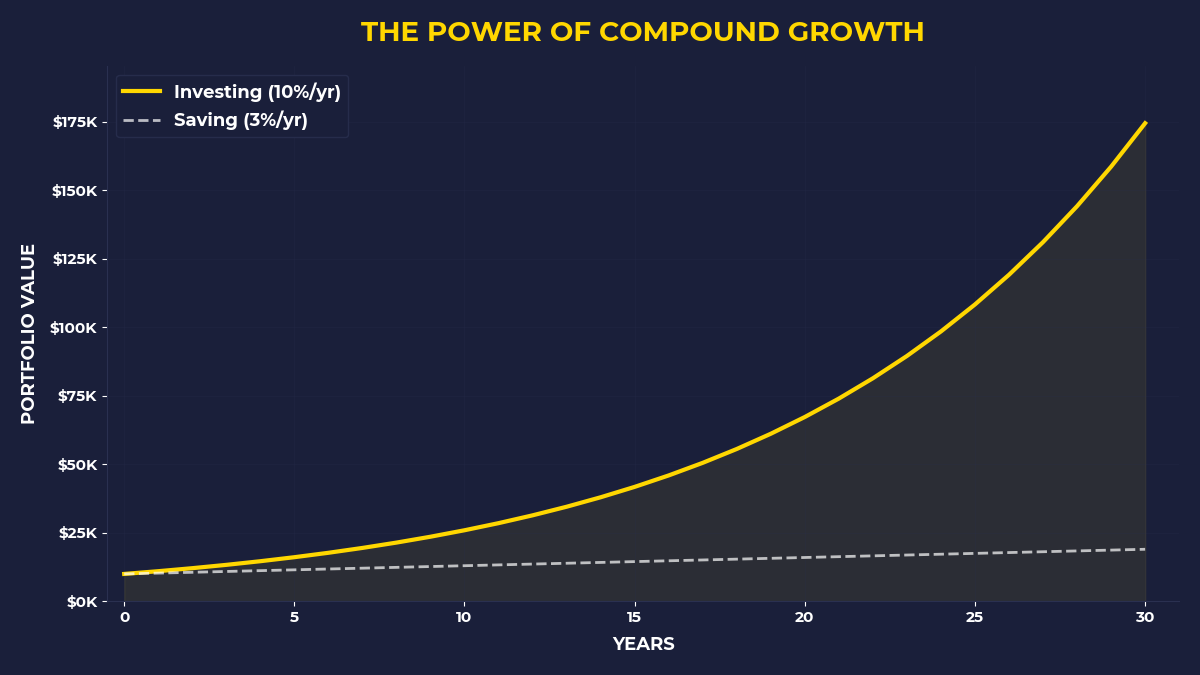
• Set up automatic investments that execute regardless of how you feel — your future self will thank you for removing emotion from the equation.
🎬 Prefer watching? Check out the video version on YouTube: