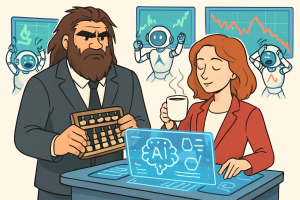
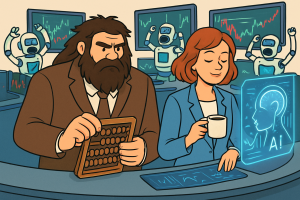
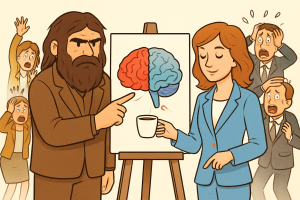
The Day Sarah Realized She Was Training Her Own Replacement
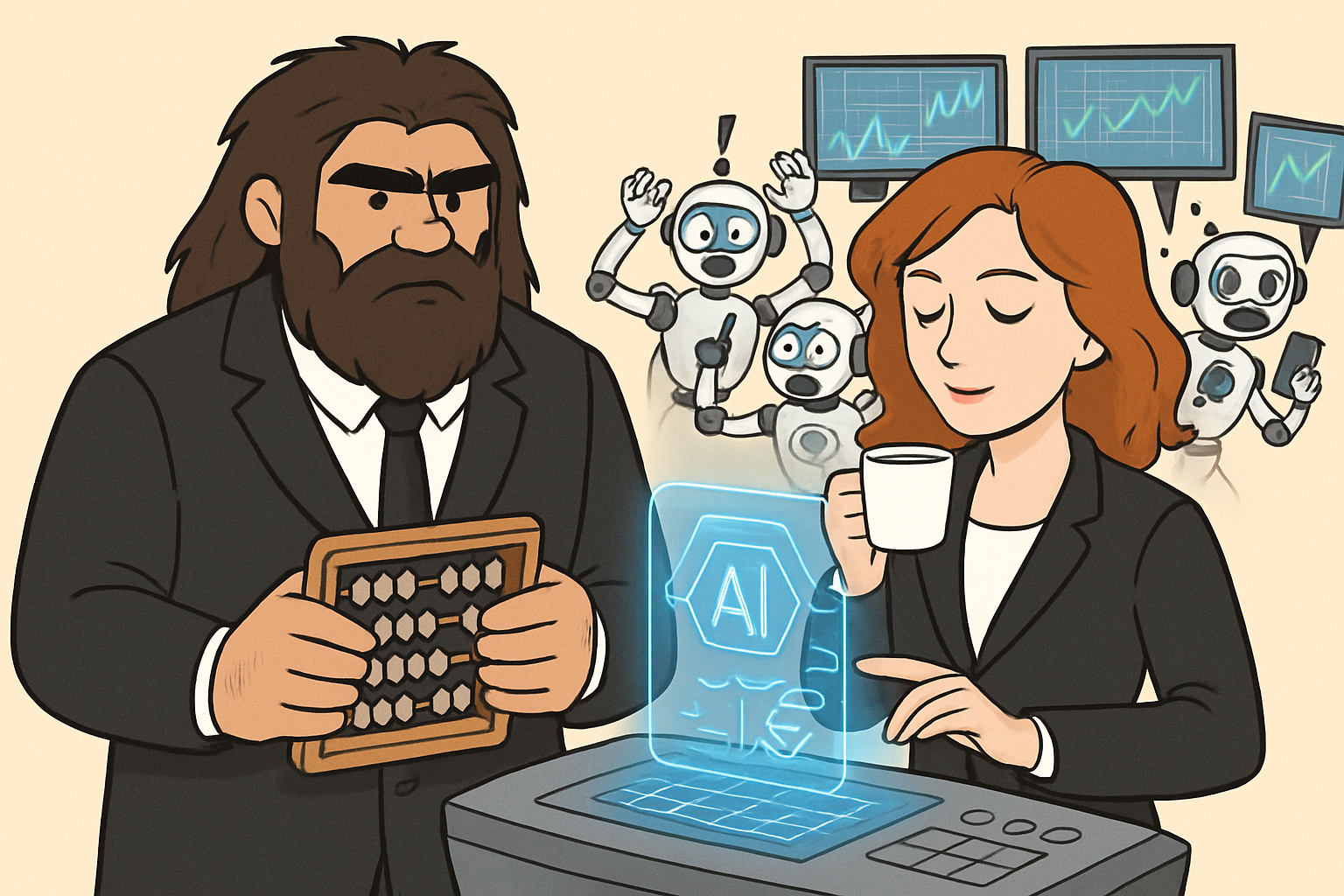
Sarah Martinez — 29, marketing manager at a mid-sized software company — spent three months last winter teaching ChatGPT her job. Not directly, of course. But every time she fed it a campaign brief to polish, every time she asked it to draft social copy, every time she used it to analyze customer data, she was essentially handing over her playbook.
The irony hit her during a Thursday morning team meeting when her boss mentioned how much more efficient the department had become since “implementing AI tools.” Sarah’s stomach dropped. She wasn’t becoming more valuable. She was becoming more replaceable.
That night, she called me in a panic. “I just realized I’ve been automating myself out of a job. What the hell do I do now?”
I get it. Because I made the exact same mistake.
I Used To Think AI Would Make Me Better At My Job
Back in 2018, I was consulting for tech startups, convinced that machine learning would just make me a more efficient analyst. I’d use algorithms to crunch data faster, generate insights quicker, present better recommendations.
Here’s what I completely missed: I was thinking like an employee, not like a capital owner.
I was asking “How can AI help me do my job better?” when I should have been asking “How can I own the AI that’s going to replace jobs like mine?”
The difference between those two questions is the difference between getting laid off and getting rich.
AI economics isn’t about technology. It’s about who owns the technology.
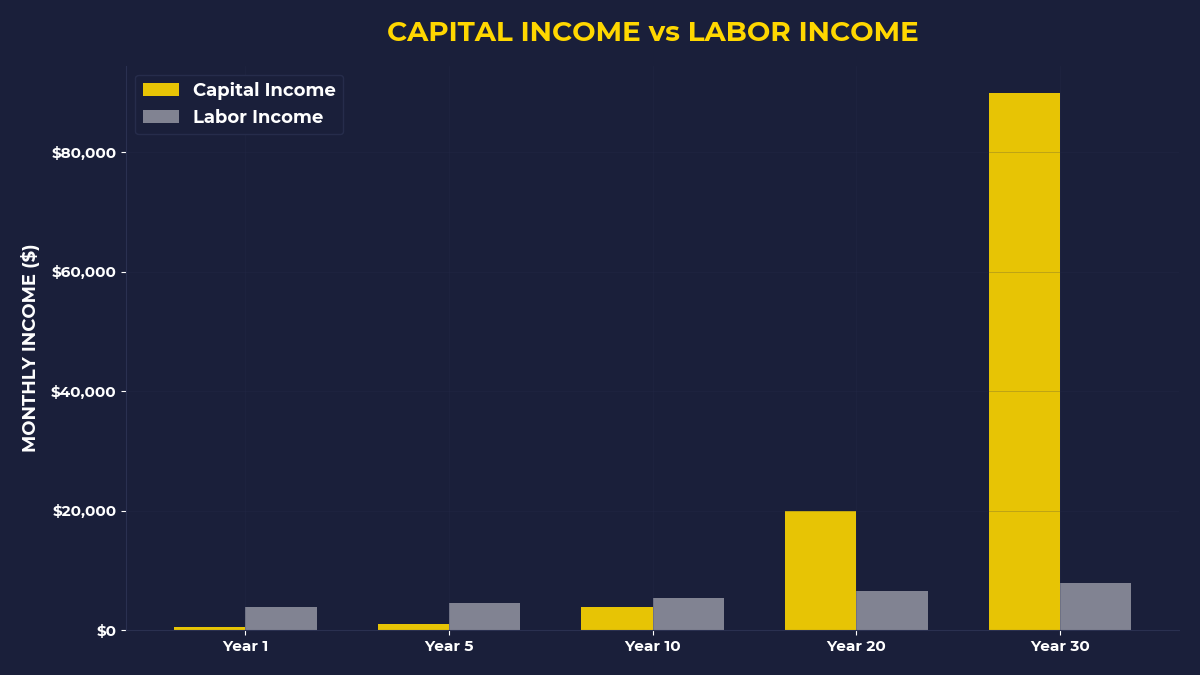
Your Labor Gets Cheaper While AI Capital Gets More Valuable
Think about what happened to photographers when digital cameras arrived. The photographers who owned the equipment stores and licensing platforms made fortunes. The photographers who just got really good at using digital cameras? They competed with a million other photographers who also got really good at using digital cameras.
Same pattern, bigger scale.
Right now, artificial intelligence capital formation is creating the most dramatic wealth transfer in human history. GPT-4 can write better copy than 73% of marketing professionals. Machine learning algorithms can analyze financial data faster than teams of analysts. AI can generate code, create designs, even draft legal documents.
But here’s the twist — the people building these tools aren’t the ones getting rich from them.
The engineers at OpenAI who trained ChatGPT? They get salaries. The shareholders of Microsoft, who own 49% of OpenAI? They get a percentage of every subscription, every API call, every business integration, forever.
Capital wins. Labor loses.
Always.
You Already Pay AI Capital Owners Every Single Day
Look at your phone right now. Your Netflix recommendations? Powered by AI algorithms owned by Netflix shareholders. Your Google searches? AI-driven results that generate ad revenue for Alphabet owners. Your Instagram feed? Machine learning that keeps you scrolling while Meta shareholders collect advertising dollars.
You think you’re just watching shows and searching for information. Really, you’re generating data that feeds AI systems that make their owners richer.
Sarah realized this when she started tracking where her money went each month. $18 to Netflix (owned by shareholders). $120 to her phone plan (Verizon uses AI for network optimization). $89 to her car insurance (Geico uses machine learning for pricing). Even her morning coffee — the Starbucks app uses AI to personalize offers and predict inventory.
Every single purchase was feeding AI productivity and ownership somewhere up the chain.
She was paying rent to live in an AI-powered economy. But she didn’t own any of the buildings.
Why This Time Really Is Different
I know, I know. “This time is different” is usually what people say right before they lose everything in the market. But AI job displacement investment strategy isn’t like previous technological shifts.
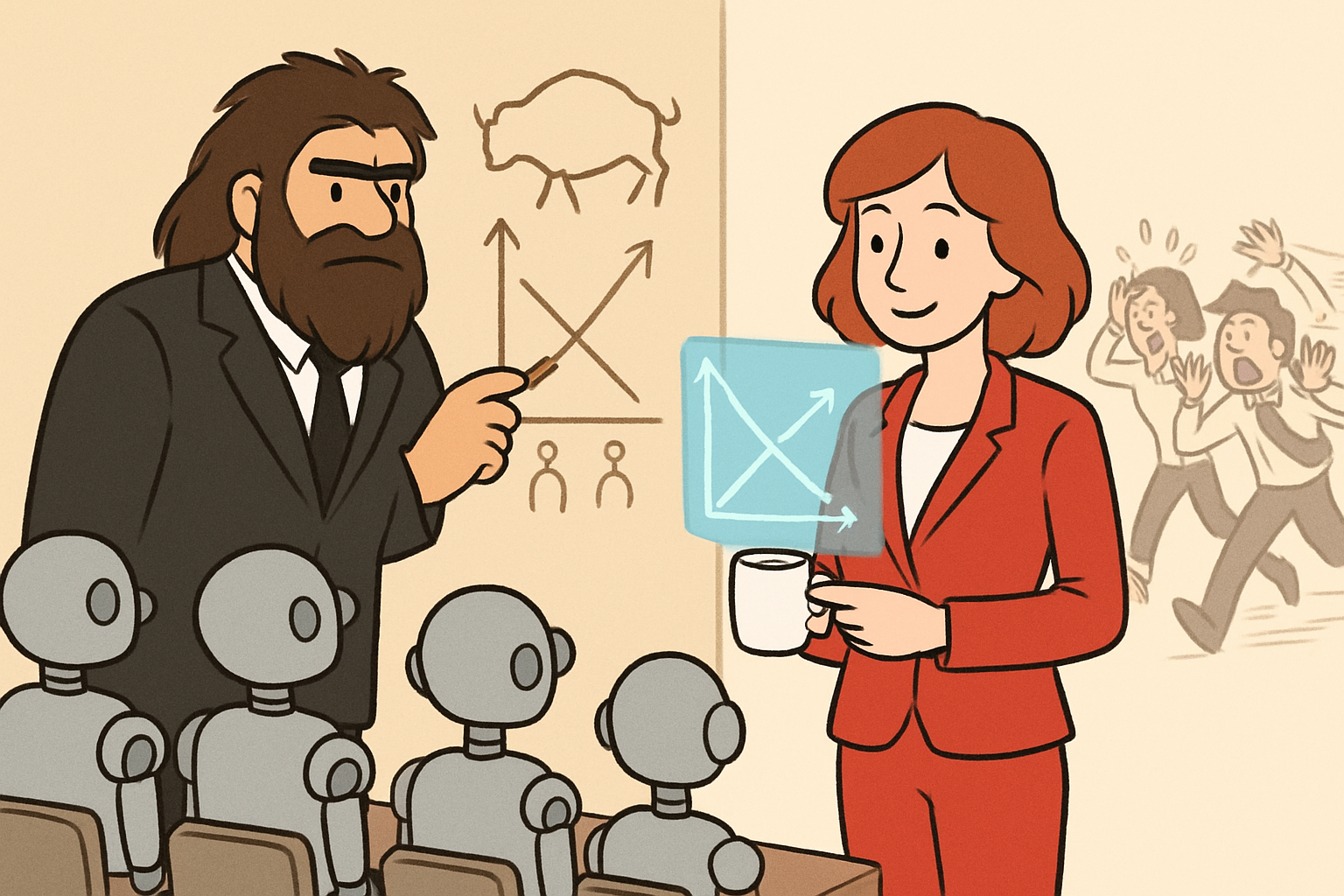
When spreadsheets replaced bookkeepers, those bookkeepers could become financial analysts. When email replaced secretaries, those secretaries could become office managers. There was always another rung on the ladder.
AI doesn’t just replace individual tasks. It replaces entire cognitive processes.
A lawyer who spent 10 years learning to research case law? AI can do that in 30 seconds. A financial analyst who built expertise in modeling cash flows? AI can generate more models in an hour than they could in a month.
The ladder isn’t getting taller. It’s disappearing.
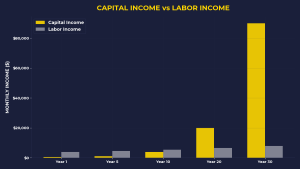
But here’s what most people miss: the same technology that’s eliminating jobs is creating massive capital appreciation for anyone who owns it.
The Golf Ball Principle Applied To AI
Warren Buffett’s childhood golf ball business taught him something crucial about machine learning wealth creation, even though he didn’t know it at the time.
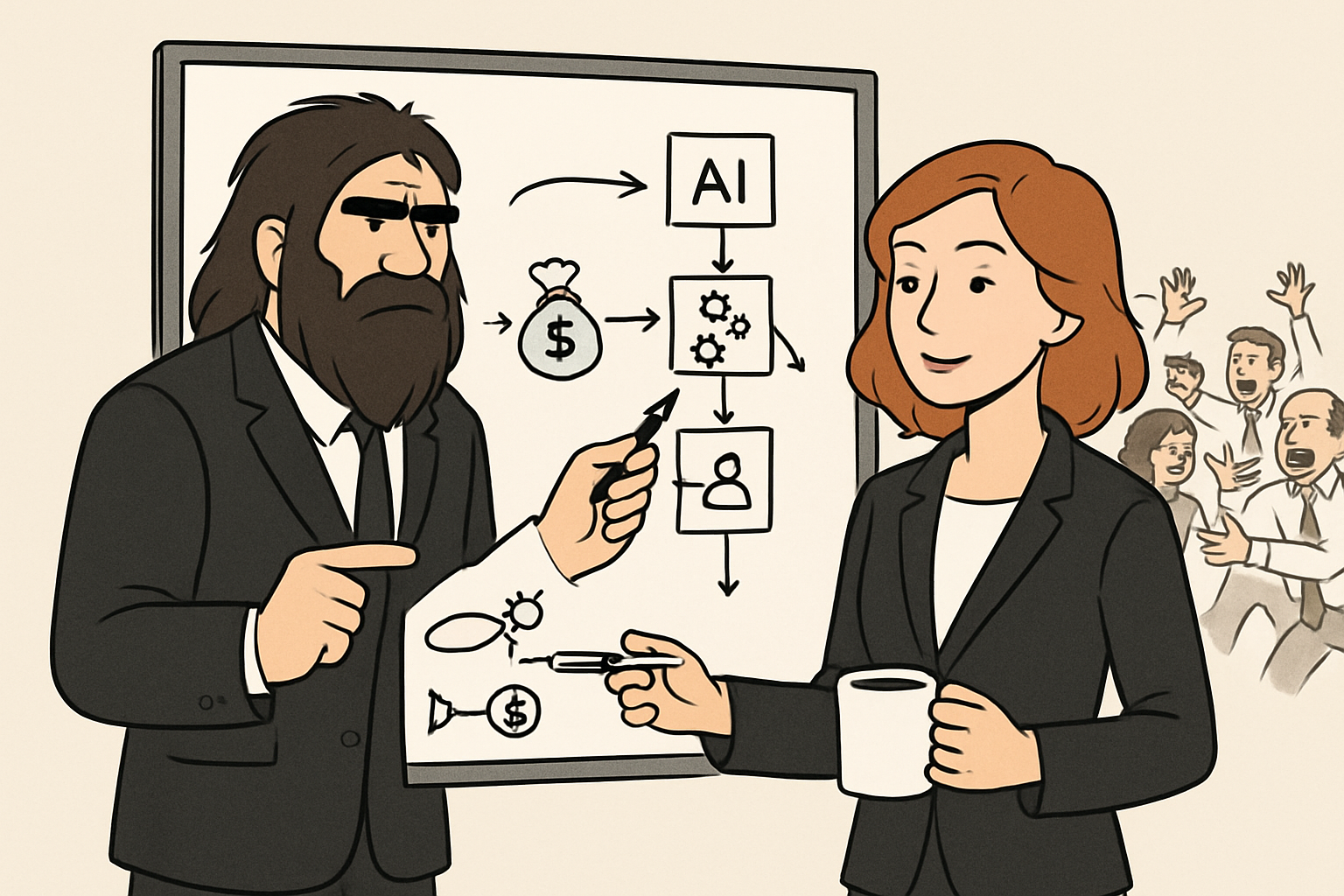
Young Warren didn’t just collect golf balls and sell them. He created a system where the money from selling golf balls bought him more equipment to collect more golf balls. The cash flow from one asset funded the next asset.
That’s compound growth. And it works the same way with AI capital.
When you buy shares of Microsoft, you’re not just betting on their current products. You’re buying a piece of every future improvement in their AI systems. Every time ChatGPT gets smarter, your shares get more valuable. Every time a business integrates Azure AI services, you collect a dividend.
Your capital compounds while someone else’s job disappears.
I learned this lesson painfully when I spent $3,000 on a course to become a “prompt engineer” instead of spending that money on AI company stock. The course taught me skills that became obsolete in six months. The stock would have paid me for years.
What About You? Are You Building Labor or Buying Capital?
Here’s the brutal truth: if you’re getting better at using AI tools at work, you’re probably building someone else’s wealth, not your own.
Sarah thought learning Midjourney would make her irreplaceable as a designer. Instead, it made her employer realize they could hire junior designers and have them produce senior-level work.
Meanwhile, the people who own Midjourney stock collect revenue from every image generated.
The question isn’t whether AI will replace your job. The question is whether you’ll be on the side that replaces or the side that gets replaced.
And the answer depends entirely on what you do with your next paycheck.
The Capital Switch: From Renting To Owning
Remember when we talked about Sarah paying AI capital owners every month? That’s the pattern you need to reverse.
Instead of just using AI tools, start owning the companies that make them. Instead of getting better at prompting ChatGPT, buy stock in Microsoft. Instead of learning new design software, invest in Adobe.
This isn’t about picking winners or timing markets. It’s about switching sides in an economic transformation.
When you own shares in an AI company, every improvement in their technology increases your wealth. When you just use their technology, every improvement makes you more replaceable.
Sarah started simple. Instead of buying another AI course, she put $200 a month into NVIDIA stock. Instead of upgrading her laptop to run AI software better, she bought shares in the cloud companies that host AI services.
Six months later, her “education budget” had turned into a portfolio worth $1,847. Her AI skills? Still getting automated away.
The One Thing To Remember
AI economics comes down to a simple choice: Do you want to be the person whose job gets automated, or the person who profits from the automation? The technology doesn’t care about your degree, your experience, or how hard you work. It only cares about efficiency. And AI is always more efficient than human labor. But human capital ownership is what captures the value that efficiency creates. The wealth isn’t disappearing — it’s just flowing to a different group of people.
Make sure you’re in that group:
Before you spend money on any AI tool or course, buy stock in the company that makes it instead
Track how much you pay for AI-powered services each month, then invest that same amount in AI companies
Stop asking “How can AI help me do my job?” and start asking “How can I own the AI that’s changing my industry?”
🎬 Prefer watching? Check out the video version on YouTube: