Marcus — 29, software engineer in Denver — called me last Tuesday from his company parking garage. He’d just read another article about “contrarian investing” and wanted to know if he should dump his entire emergency fund into beaten-down tech stocks.
“Everyone says buy when there’s blood in the streets,” he said. “So I’m thinking about going all-in on this dip.”
I had to laugh. Not at Marcus — at myself.
I Made the Same Mistake for Years
I spent my twenties thinking contrarian investing meant doing the opposite of whatever CNBC was screaming about. Market crash? Buy everything. Everyone panicking? Time to get greedy. Warren Buffett says be fearful when others are greedy, right?
Here’s what nobody tells you about that strategy. It doesn’t work.
Not because the logic is wrong. Because you’re still following the crowd — just a different crowd. The “contrarian” crowd that thinks contrarian investing is about market timing and being different for the sake of being different.
I learned this the hard way in 2018. Everyone was talking about how “smart money” was buying the dip in Facebook after the Cambridge Analytica scandal. Stock down 20%, perfect contrarian opportunity, right? I bought $3,000 worth — money I couldn’t afford to lose — because I thought I was being contrarian.
The stock kept dropping. For months.
But that’s not even the worst part. The worst part is I was doing exactly what everyone else was doing — chasing market narratives and calling it contrarian investing.
Real Contrarians Don’t Wait for Market Crashes
Think about that phrase for a second: “Buy when there’s blood in the streets.”
Who came up with that? Someone who already had capital sitting around, waiting for the perfect moment to deploy it. Someone who could afford to wait for blood.
Real contrarians don’t wait for market crashes because they understand something the crowd doesn’t. The biggest contrarian move isn’t about when you buy — it’s about what you do before you have money to invest.
Marcus is making the classic mistake. He’s asking: “Should I buy this dip?” when the real contrarian question is: “How do I build the system that lets me buy every dip for the next 20 years?”
The Real Contrarian Move Nobody Talks About
Want to know what actual contrarian investing looks like? It’s not dramatic. It’s not exciting. And it definitely doesn’t make for good financial porn headlines.
It looks like my friend Sarah — 32, marketing manager in Austin. Last month, her car needed $1,200 in repairs. She had the cash in her emergency fund, but instead of using it, she put the repair on a 0% APR credit card and moved $200 from her checking account into her brokerage account.
“Wait,” you’re thinking. “That’s not contrarian investing. That’s just… investing.”
Exactly.
The crowd thinks contrarian investing is about finding the perfect moment to be different. The real contrarians know it’s about building capital ownership when everyone else is building consumption habits.
Why Your Brain Sabotages Every Contrarian Strategy
Here’s the thing about human psychology that nobody wants to admit. Your brain is hardwired to do exactly the wrong thing at exactly the wrong time.
When markets are crashing and “blood is in the streets,” your brain is screaming: DANGER. PROTECT THE CASH. Even if you intellectually know it’s a buying opportunity, your nervous system is in full survival mode.
When markets are soaring and everyone’s getting rich, your brain floods you with FOMO chemicals. You feel like you’re missing out on easy money. Every success story makes you feel stupid for not jumping in.
I know this because I lived it. March 2020, markets crashed 30% in three weeks. Perfect contrarian opportunity, right? I had $8,000 in cash and knew I should buy. But every fiber of my being was screaming that the world was ending. So I waited. And waited. And by the time I felt “safe” buying, the market was already back to all-time highs.
That’s when I realized something. True contrarian investing isn’t about overcoming your emotions in crisis moments. It’s about building a system that works regardless of what your emotions are doing.
The One Contrarian Move That Actually Works
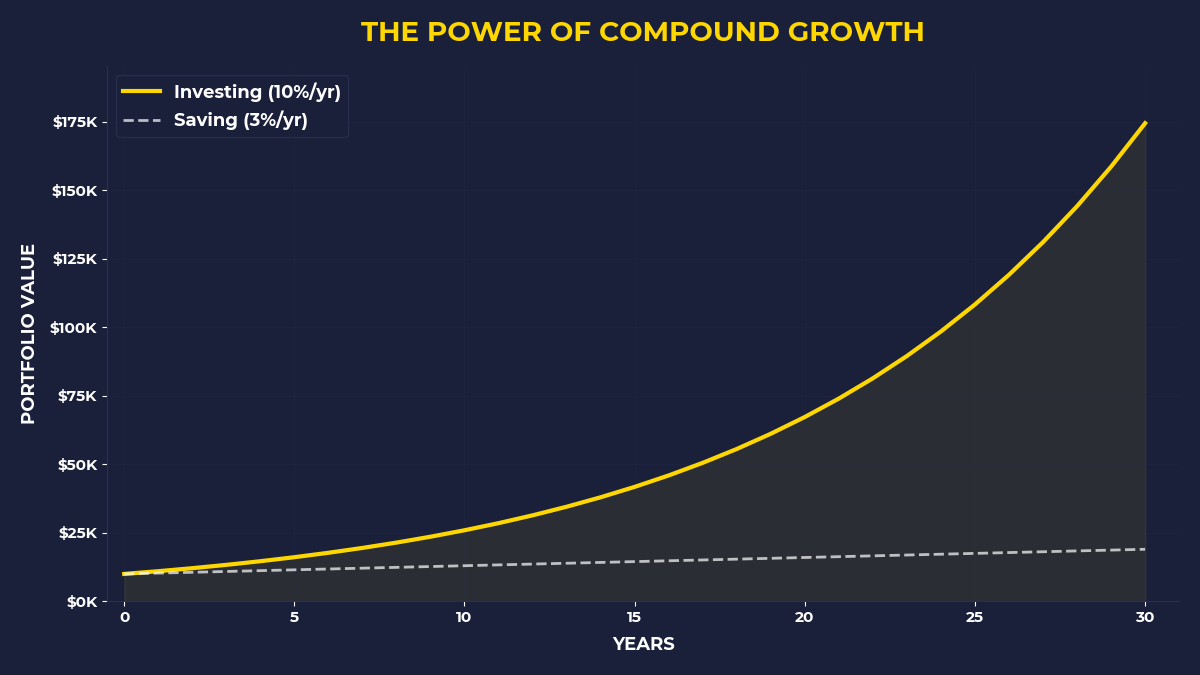
Every month, you make the same mistake that 97% of people make.
You pay everyone else first. Rent to your landlord. Car payment to the bank. Netflix subscription to Reed Hastings. Groceries to Walmart shareholders. Phone bill to Verizon investors.
Then — if there’s anything left — you think about investing.
The real contrarians flip this sequence. They pay themselves first. Not because they’re selfish, but because they understand something most people never learn: capital ownership is the only reliable path to time freedom.
Here’s what this looks like in practice. Before you pay a single bill next month, move money into assets. Even if it’s $50. Even if it means scrambling to cover rent. Especially then.
Sound crazy? That’s the point. The crowd finds this idea terrifying because they’ve been conditioned to believe that consumption comes before capital. Pay all your bills, handle all your obligations, then invest whatever’s left over.
The problem with this approach? There’s never anything left over.
The Warren Buffett Story Nobody Remembers
Everyone knows young Warren Buffett bought his first stock at age 11. What they don’t remember is how he got the money.
He didn’t wait for a market crash. He didn’t time anything. He sold golf balls he found in the woods for 6 cents each. He delivered newspapers before school. He sold chewing gum door-to-door.
Then — and this is the part that makes him a true contrarian — he took that money and bought stock instead of spending it on candy and toys like every other 11-year-old.
The contrarian move wasn’t what he bought. It was what he didn’t buy. While other kids were consuming, he was accumulating capital.
That habit — putting capital ownership before consumption — is what turned him into the Oracle of Omaha. Not his stock-picking skills. Not his market timing. His willingness to delay gratification and prioritize ownership over stuff.
Why Contrarian Investing Requires Being Broke
Here’s the uncomfortable truth about building wealth. The biggest gains don’t come from having money. They come from acting like an owner when you don’t have money yet.
Think about it. If you’re already rich, buying during market crashes is easy. You have cash sitting around anyway. There’s no real sacrifice involved.
But if you’re broke and you choose to buy assets instead of paying bills immediately? That requires a level of conviction that most people will never have. You’re betting your financial security on the idea that equity ownership matters more than short-term comfort.
That’s true contrarian investing. Not because you’re going against market sentiment, but because you’re going against human nature itself.
The One Thing to Remember
Every successful contrarian investor I know shares one trait. They started building capital ownership when everyone told them they couldn’t afford to. They bought their first shares when they should have been paying down debt faster. They prioritized equity when conventional wisdom said to build emergency funds. They understood that the biggest risk isn’t market volatility — it’s staying in the consumer class forever.
If you want to be a real contrarian:
- Before you pay any bill this month, move $50-200 into a brokerage account and buy an index fund
- Set up automatic investments that happen before you see your paycheck, not after your expenses
- Ask “What should I buy?” instead of “What should I do?” when you get extra money
🎬 Prefer watching? Check out the video version on YouTube:
👉 https://www.youtube.com/@PrimalContrarian
Subscribe for daily insights on capital, wealth, and contrarian thinking.