Sarah — 29, marketing manager in Denver — sat across from her financial advisor last Tuesday, watching him flip through charts she couldn’t understand. “Your risk tolerance suggests a conservative portfolio,” he said, sliding a pie chart toward her. “Maybe 70% bonds, 30% stocks.”
She nodded and signed. Of course she wanted conservative. Safe. Predictable.
What Sarah didn’t realize was that her “investment philosophy” had nothing to do with building wealth and everything to do with ancient programming designed to keep her alive in a world that no longer exists. Her brain was solving the wrong problem entirely.
I Used To Think Fear Made Me Smart
I get it completely. When I first started thinking about investing at 27, I was terrified of losing money. Every article I read reinforced this fear. “Don’t invest more than you can afford to lose.” “Diversify to protect yourself.” “Be careful out there.”
My investment philosophy back then? Avoid pain at all costs.
I put $500 into a “safe” mutual fund and checked it obsessively. When it dropped $30 in the first week, I couldn’t sleep. When it gained $40 the next month, I considered selling to “lock in profits.” I was treating capital like a dangerous animal instead of understanding what it actually was.
Here’s what I learned the hard way: your investment philosophy isn’t about investing at all.
It’s about your relationship with uncertainty.
Your Brain Is Solving Yesterday’s Problem
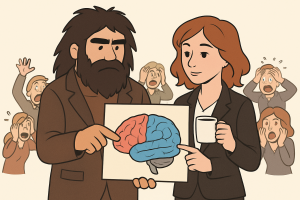
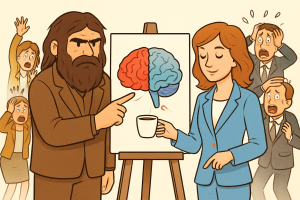
Think about this. Your brain evolved over 300,000 years to keep you alive on the African savanna. Back then, uncertainty meant death. The rustle in the bushes could be wind or a leopard. The smart money — literally your survival — bet on leopard every time.
That same wiring now controls how you think about money.
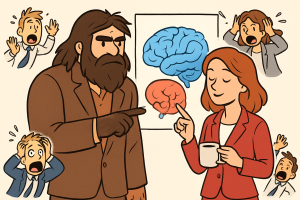
When the market drops 10%, your amygdala screams “LEOPARD!” Even though market volatility isn’t a predator hunting you, your body responds as if it were. Your heart rate spikes. Your palms sweat. You want to run.
So you sell. Or you never buy in the first place.
This fear-based investment philosophy feels rational because fear feels like wisdom. But in a world where the biggest risk isn’t losing money but never building capital, your survival instincts are systematically destroying your future.
The Capital Question Your Brain Won’t Let You Ask
Here’s the question that separates capital owners from everyone else: “What do people need that I can own a piece of?”
Your fear-brain hates this question because it forces you to think about demand instead of safety. But capital is stored demand. When you own equity in companies that people depend on — technology they can’t live without, services they need daily, platforms they’re addicted to — you own a slice of that demand.
Sarah’s financial advisor steered her toward bonds because bonds feel safe. But bonds are loans to institutions that already own the capital. She’s literally paying rent to capital owners instead of becoming one herself.
Wild, right?
The 30% he allocated to stocks? Probably a diversified index designed to minimize volatility rather than maximize ownership of high-demand companies. Again, optimizing for her emotional comfort instead of her economic freedom.
What Happens When You Flip The Script
Let me tell you about my friend Marcus — 31, software developer in Austin — who figured this out before I did.
Three years ago, Marcus was making $85,000 and putting $200 monthly into a target-date retirement fund. Standard advice. Safe approach. Zero emotional stress.
Then he started thinking differently about his investment philosophy. Instead of asking “How do I avoid losing money?” he asked “What do people desperately need that I can own?”
He looked at his own life. He couldn’t live without his iPhone. His company couldn’t function without Microsoft software. His friends were obsessed with Netflix. He paid Amazon $139 yearly just for faster shipping.
So he stopped putting money into diversified funds designed to minimize his feelings and started buying individual companies he understood. Apple. Microsoft. Amazon. Companies people literally couldn’t live without.
His investment philosophy shifted from “protect my emotions” to “own what people demand.”
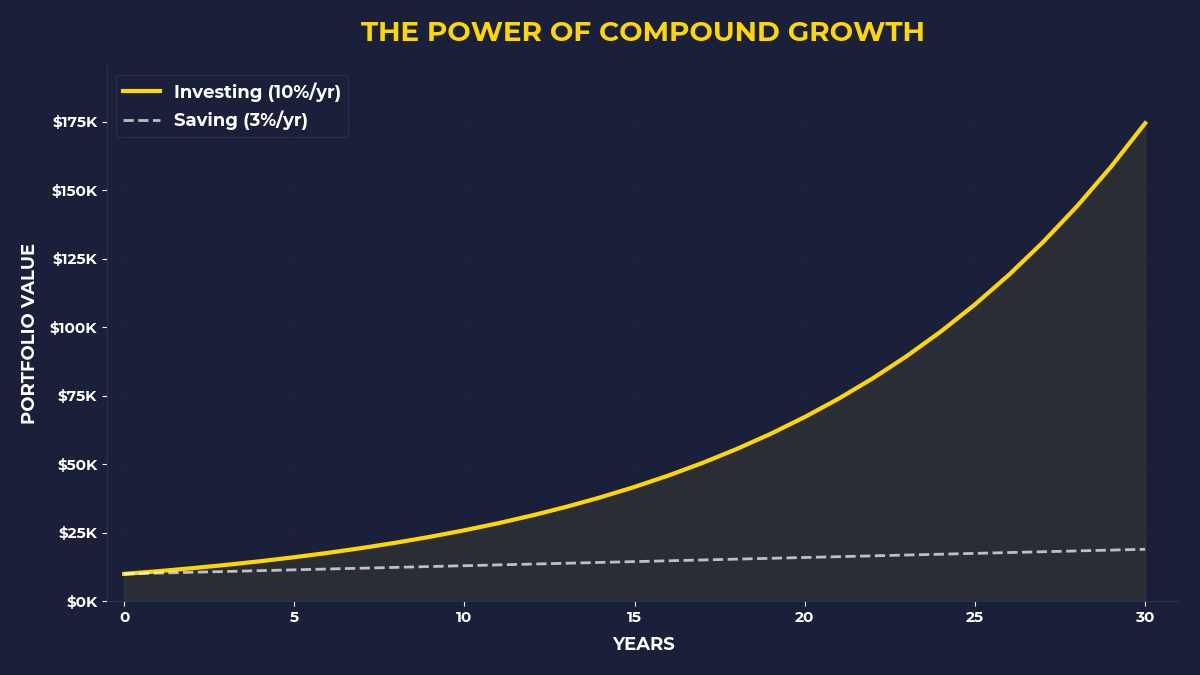
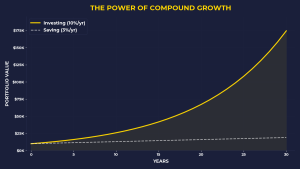
The result? His portfolio grew 47% last year while his old target-date fund managed 12%. More importantly, he stopped checking his balance obsessively because he knew he owned pieces of demand that wasn’t going anywhere.
The Question That Reveals Everything
Want to know if your investment philosophy is driven by fear or logic?
Ask yourself this: When you think about investing, do you imagine losing money or owning capital?
If your first thought is about loss, your investment philosophy comes from your limbic system, not your rational mind. You’re optimizing for emotional comfort in a game where the prize goes to capital owners.
Most people spend more time researching a $500 television purchase than a $5,000 investment decision. Why? Because the TV purchase feels concrete while investing feels abstract and dangerous.
But here’s the thing: that $5,000 investment could buy you ownership in companies that generate billions in demand every quarter. The TV will be worth $50 in two years.
The Real Risk Nobody Talks About
The biggest risk isn’t market volatility. It’s never owning capital at all.
Look around your life. Your rent check goes to someone who owns real estate. Your streaming subscriptions go to someone who owns media companies. Your coffee money goes to someone who owns coffee chains or the real estate they operate on.
Every dollar you spend is a dividend payment to a capital owner.
A fear-based investment philosophy keeps you on the paying side of this equation forever. You stay a customer, never becoming an owner. You keep sending cash to people who figured out how to own what you need.
The cruel irony? The “safe” approach guarantees the outcome you’re trying to avoid: economic dependency.
How To Build A Capital-Based Investment Philosophy
Here’s what I wish someone had told me at 27:
Stop asking “What if I lose money?” Start asking “What if I never own anything?”
Your investment philosophy should be built around ownership, not emotion management. Every month, before you pay any bills, move money into equity ownership. Even if it makes you uncomfortable. Especially if it makes you uncomfortable.
Start with companies you can’t live without. The ones you pay every month anyway. If you’re going to send them money as a customer, at least own a piece as an investor.
When the market drops and your fear-brain screams “SELL,” ask yourself: “Did people stop needing what these companies provide?” If the answer is no, buy more.
The One Thing To Remember
Your current investment philosophy isn’t protecting you — it’s preventing you from ever owning capital. Every month you optimize for emotional comfort is another month you stay a payer instead of becoming an owner. The biggest financial risk isn’t losing money in the market; it’s never building capital in the first place.
• This week, write down three companies you pay money to every month
• Next, research whether you can buy shares in those companies
• Finally, move $100 from your “safe” savings into ownership of demand instead of storage of cash
🎬 Prefer watching? Check out the video version on YouTube: