The Mathematics of Freedom
Your investment philosophy isn’t about stock picking. It’s about choosing sides in the only economic war that matters: workers versus owners.
I learned this the expensive way. For years, I believed hard work was the path to wealth. I optimized my resume, negotiated salary increases, built impressive skills. I was adding value to someone else’s machine while my own account barely moved. The harder I worked, the richer my boss got. The math was simple, but I couldn’t see it.
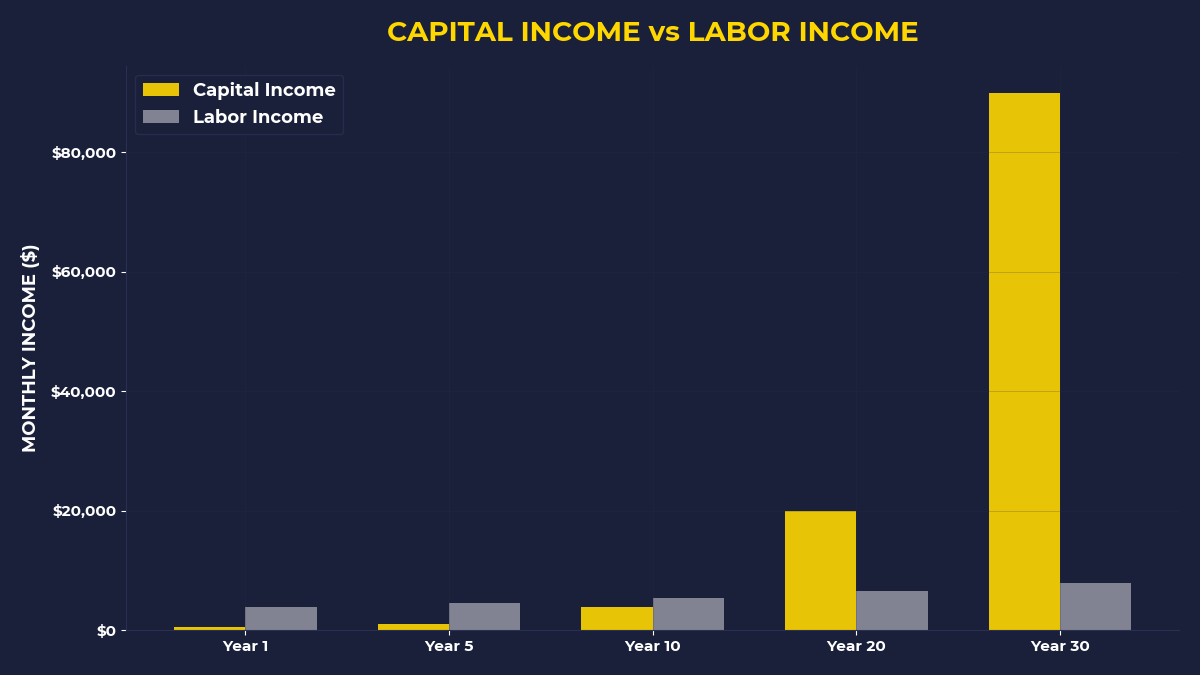
Workers add. One hour of work equals one hour of pay. More skills might increase the hourly rate, but you’re still trapped in linear mathematics. Ten hours of work can never equal 100 hours of output unless you own something that multiplies your effort.
The Capital Revelation
Here’s what changed everything for me: I realized capital isn’t money sitting in a bank account. Capital is stored demand. It’s owning a piece of something people want, need, or can’t live without.
When Warren Buffett was 13, he collected lost golf balls around Omaha golf courses and sold them for 50 cents each. That wasn’t a job—that was his first glimpse into capital formation. He found something with demand (golf balls), captured the supply (collecting them), and pocketed the spread. But here’s the part everyone misses: he used that money to buy more assets, not more stuff.
By age 14, he bought his first stock. By 16, he used his golf ball profits to buy a 40-acre farm. He wasn’t just working harder—he was transitioning from worker to owner. The farm generated rental income whether he showed up or not. That’s multiplication.
Why Your Brain Keeps You Poor
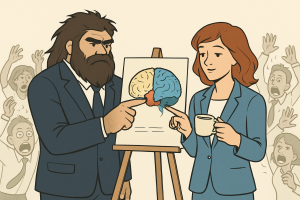
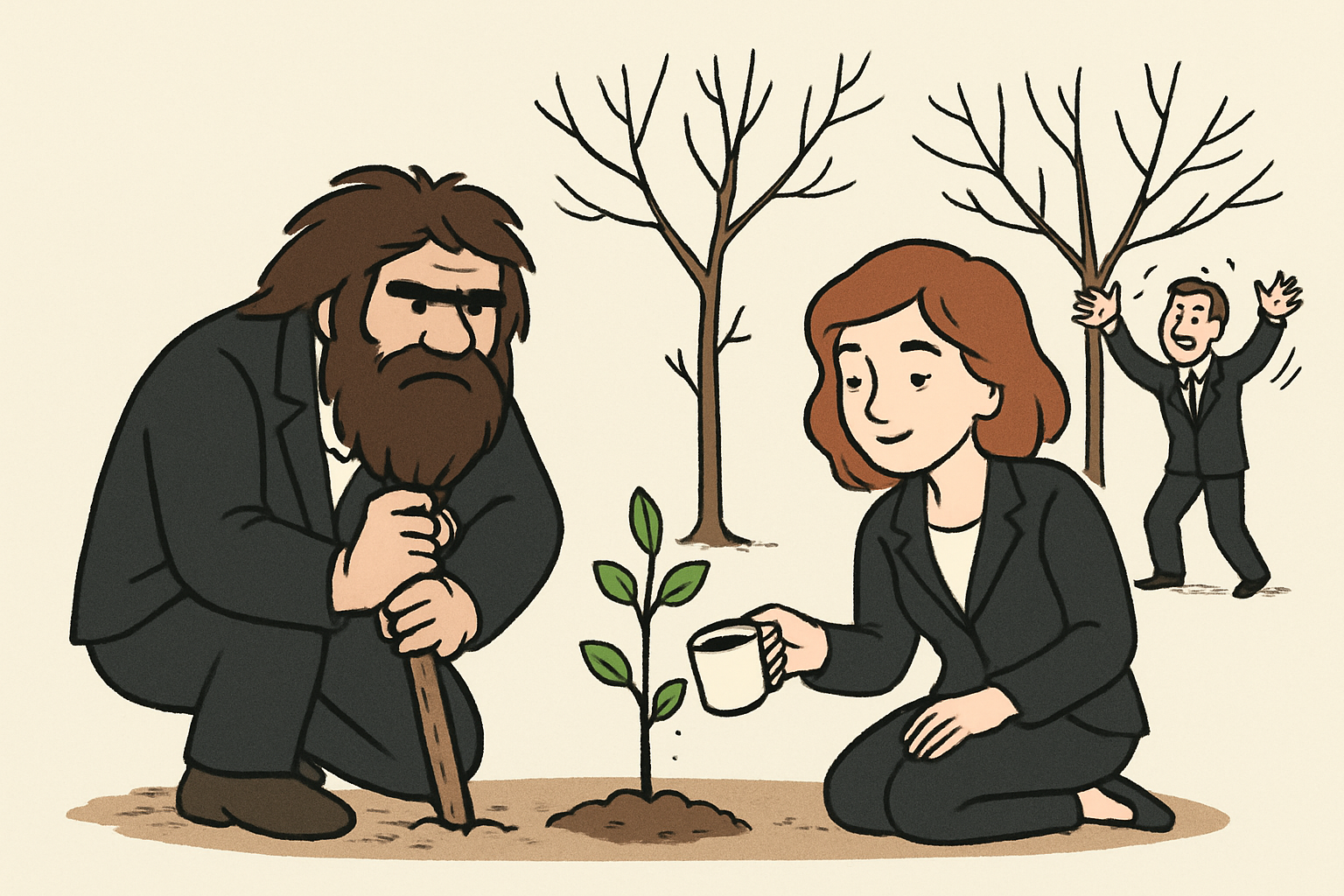
Your primitive brain is sabotaging this transition every single day. It’s programmed for immediate survival, not long-term wealth building. When money comes in, the ancient part of your brain screams: “Pay the bills! Buy food! Secure shelter!” These are invoices from other people’s capital.
I used to pay everyone else first. Landlord, credit card companies, Netflix, insurance companies. Every bill was a transfer of my cash flow to someone who owned something I needed. I was funding their investment philosophy while neglecting my own.
Loss aversion makes it worse. The pain of losing $100 feels twice as intense as the pleasure of gaining $100. So we hoard cash in “emergency funds” that earn 0.5% while inflation eats 3-4% annually. We think we’re being safe, but we’re guaranteeing poverty.
What Do Famous Singers Know That You Don’t?
Why does a pop star make millions while a skilled surgeon makes hundreds of thousands? It’s not talent. It’s leverage.
The surgeon trades time for money. One surgery, one fee. More surgeries require more hours. The singer records once and sells millions of copies. Their investment philosophy is fundamentally different: create something that scales without your physical presence.
Look at Taylor Swift’s business model. She doesn’t just perform—she owns her master recordings (after learning this lesson the hard way). Every stream, every license, every commercial use generates passive income. She built a system where demand for her work pays her while she sleeps.
This is the difference between repetitive labor and creative capital. Repetitive labor keeps you busy. Creative capital keeps you rich.
The Korean Businessman’s Question
A Korean entrepreneur I studied asked a different question than everyone else. Instead of “What should I do to make money?” he asked “What should I buy to make money?”
This shift changes everything. When you ask what to do, you’re thinking like an employee. When you ask what to buy, you’re thinking like an owner. The first question leads to more work. The second leads to more assets.
He started by buying one coin-operated scale for $175 and placing it in a busy pharmacy. It generated $20 per month. Instead of celebrating, he asked: “What should I buy next?” Within two years, he owned 70 scales generating $1,750 monthly. He wasn’t working 70 times harder—he was earning 70 times more.
That’s the compound interest of ownership philosophy.
The Bills That Reveal Your Investment Philosophy
Look at your bank statement from last month. Every recurring charge reveals your investment philosophy—or lack of one.
Rent payment: You’re funding your landlord’s real estate portfolio.
Netflix subscription: You’re funding their content empire.
Car payment: You’re funding the bank’s loan portfolio.
Insurance premiums: You’re funding their investment returns.
Each bill represents someone else’s asset generating cash flow from your paycheck. They own demand. You rent access.
When Robert Kiyosaki was broke and living in a friend’s garage, he made one decision that changed his trajectory: pay yourself first. Before paying any bills, he invested in assets. Then he worked extra jobs to cover the bills. It sounds backwards, but it forces you to think like an owner instead of a bill-payer.
The Time Trap
Most people never escape because they confuse being busy with being productive. They optimize their careers instead of building capital. They’re trapped in what I call the time-for-money prison.
Here’s the brutal math: If you make $100,000 per year working 2,000 hours, you earn $50 per hour. To double your income, you need to double your hours or double your rate. Both have limits. There are only 24 hours in a day, and skill premiums have ceilings.
But if you own assets generating $100,000 per year, you can double that by buying more assets. No extra hours required. The S&P 500 averaged 10.5% annually from 1957 to 2021. A $1 million portfolio would generate $105,000 per year without your involvement.
That’s why owners multiply while workers add.

The AI Acceleration
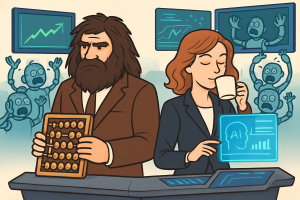
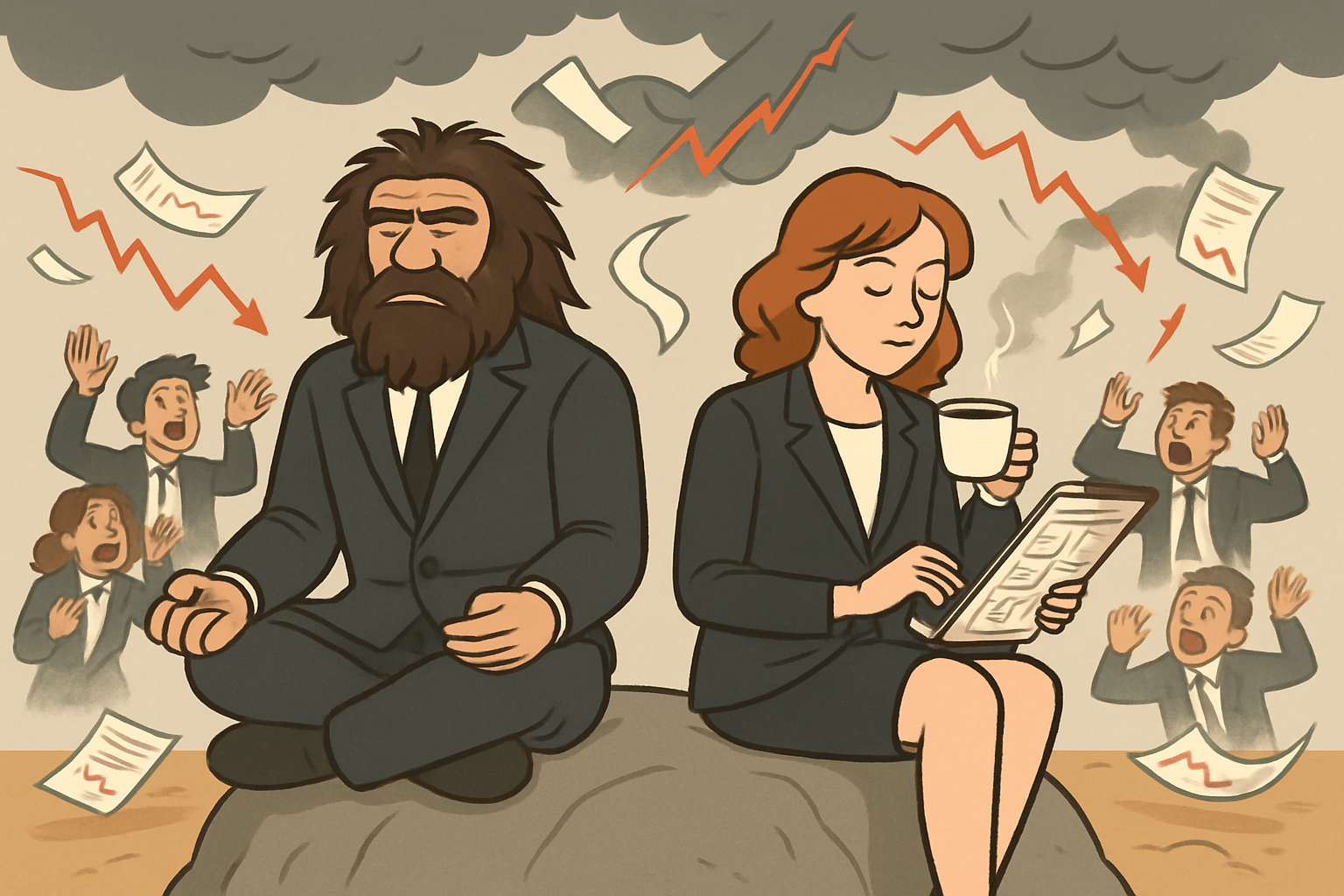
Artificial intelligence is accelerating this divide. AI amplifies leverage for owners while replacing tasks for workers. If you own shares in companies deploying AI, you benefit from increased productivity. If you just work for those companies, AI makes you more replaceable.
Between 2020 and 2023, tech company valuations exploded while employment became more volatile. Microsoft’s market cap grew from $1.5 trillion to over $3 trillion, but they laid off 10,000 employees in 2023. Owners multiplied their wealth. Workers got optimized away.
What The Primal Investor Takes Away
Your investment philosophy determines your life philosophy. Choose ownership over employment thinking. Here’s how:
• Ask “What should I buy?” instead of “What should I do?” every time money comes in
• Pay yourself first—invest in assets before paying bills, then work extra to cover the difference
• Own pieces of systems that generate demand instead of just participating in them as a worker
• Build compound structures where assets buy more assets, not just better stuff
• Recognize every bill as someone else’s asset and ask how you can own similar cash-generating systems
Workers think in hours. Owners think in assets. Workers trade time for money. Owners multiply money with time. The choice is yours, but the mathematics are unforgiving.
🎬 Prefer watching? Check out the video version on YouTube:
👉 https://www.youtube.com/@PrimalContrarian
Subscribe for daily insights on capital, wealth, and contrarian thinking.