Here’s what I finally realized sitting in my apartment at 2 AM, calculator in hand: Every single one of those bills was an invoice from someone who owned something I needed.
My landlord owned the building. Toyota owned the financing company. Whole Foods owned the supply chain. Verizon owned the network.
And me? I owned nothing except a savings account that earned 0.01% while inflation ate 3%.
What Capital Actually Is (And Why You Don’t Have Any)
Most people think capital is money sitting in a bank account. That’s not even close.
Capital is stored demand.
Think about it: Sarah needs a place to live, so she sends $1,650 every month to someone who owns apartments. Millions of people need places to live, so that apartment owner collects millions in rent.
Sarah needs a car, so she sends $420 every month to someone who owns the financing. Millions of people need cars, so that company collects millions in payments.
The apartment building isn’t capital because it’s valuable. It’s capital because people desperately need what it provides, and that need never stops.
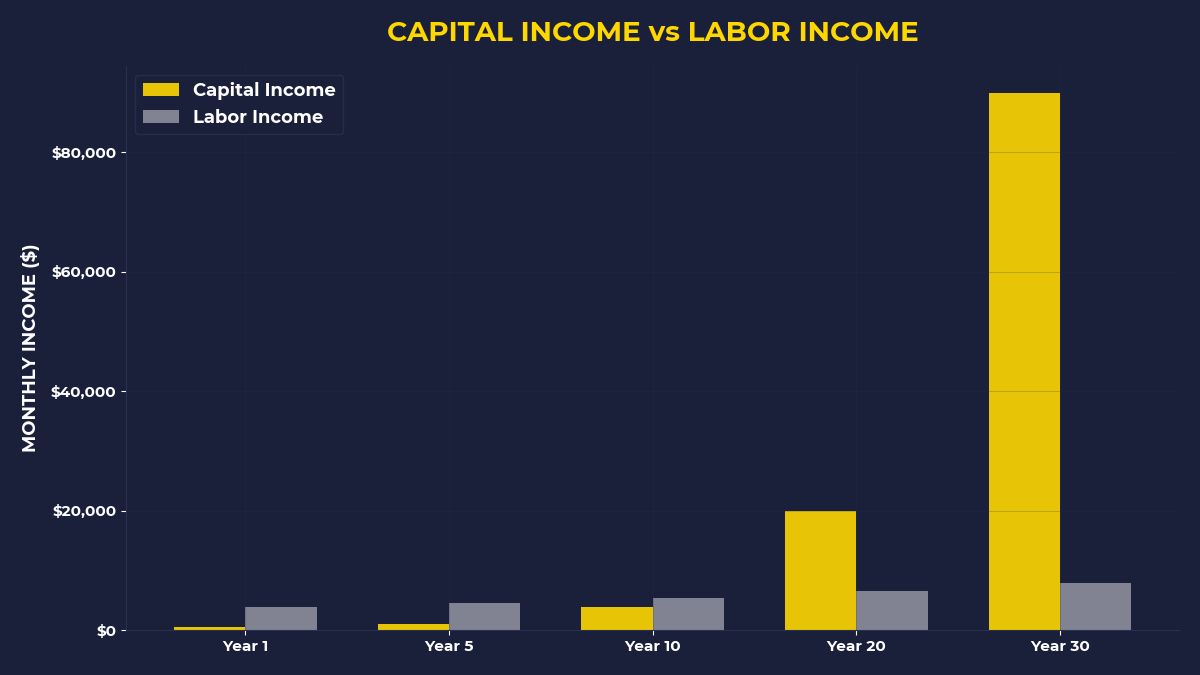
When you work for money, you’re trading your hours for dollars. When you own capital, other people’s needs generate your dollars.
The System Nobody Explains
Here’s the part that took me years to understand: The economy is set up so your paycheck flows straight to capital owners.
You work 40 hours. Your employer pays you $1,000. By the end of the month, that $1,000 has been divided between your landlord, your bank, your car company, your insurance company, and a dozen other businesses.
They didn’t work 40 hours for that money. They just owned something you needed.
I remember the exact moment this clicked for me. I was 28, standing in line at Starbucks, about to spend $5.50 on a latte. The barista was maybe 19, working for $15 an hour.
But Howard Schultz — who built Starbucks — wasn’t behind the counter. He was collecting a tiny slice of every single transaction happening in 33,000 stores across the world.
That barista was trading time for money. Schultz owned something millions of people needed every morning.
Why Hard Work Without Ownership Is Just Expensive Labor
Sarah works harder than most people I know. Fifty-hour weeks. Side projects. She even freelances on weekends.
But here’s the brutal truth: Hard work without ownership is just expensive labor.
Every hour Sarah works, she gets paid once. Every month her landlord doesn’t work, he gets paid by hundreds of tenants.
This isn’t about fairness. It’s about understanding the game.
The people building wealth aren’t working more hours. They’re asking a different question: “What should I buy?” instead of “What should I do?”
The Golf Ball Moment
Warren Buffett tells a story about selling golf balls as a kid. He’d collect lost balls from the rough, clean them up, and sell them for 6 cents each.
But here’s the part most people miss: Eventually, he hired other kids to collect and clean the balls while he managed the operation.
Same business. Same demand. But now Warren was earning money from other people’s work instead of just his own.
That’s the shift. From “I need to work harder” to “I need to own something people need.”
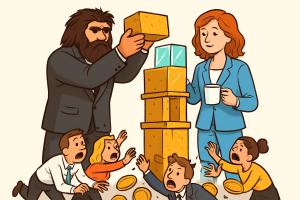
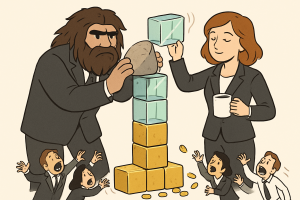
Most of us are taught to be the kid collecting golf balls. Very few of us are taught to be the kid who owns the golf ball business.
The Question That Changes Everything
Are you tired of watching your paycheck disappear into other people’s pockets?
The shift starts with changing one question.
Instead of asking “How can I make more money?” start asking “What can I buy that people need?”
You don’t need to start a business (though you can). You don’t need $100,000 (though more helps). You need to start thinking like an owner instead of a worker.
When Sarah gets her next paycheck, she has two choices:
Choice 1: Pay all her bills first, then save whatever’s left (usually nothing).
Choice 2: Move $200 into a brokerage account first, then figure out how to pay the bills.
Choice 2 sounds crazy until you realize it’s what every wealthy person does. They pay themselves first by buying assets. Then they use their creativity to cover the expenses.
Your Bills Are Invoices From Capital Owners
Look at your bank statement from last month. Every charge is money flowing from you to someone who owns something.
Amazon: They own the logistics network.
Apple: They own the iPhone you need.
Your mortgage company: They own your home loan.
Your streaming services: They own the content you watch.
You’re not just paying for goods and services. You’re funding other people’s ownership.
The goal isn’t to stop paying these bills (you can’t). The goal is to get on the other side of the transaction.
Start Small, Think Big
You don’t need millions to start owning capital. You need to start thinking differently about money.
When you buy shares of Apple, you own a tiny piece of every iPhone sold. When you buy a rental property, you own a piece of everyone’s housing needs. When you buy dividend stocks, you own a piece of corporate profits.
The magic isn’t in the size of your ownership. It’s in shifting from worker to owner, even if you start with $50.
I started with $100 a month going straight into index funds. Not much, but it was the first money I’d ever spent that didn’t disappear into someone else’s pocket.
It was the first money that worked for me instead of me working for it.
The One Thing to Remember
Capital isn’t money in your bank account — it’s ownership of things people need. Every bill you pay is proof that someone else figured this out before you did. The fastest way to build wealth isn’t to work more hours but to own more demand. Start small, start today, but start thinking like an owner instead of a worker.
Do this today:
Open your last bank statement and add up everything you paid to businesses you don’t own
Move $50 into a brokerage account before paying your next bill
Buy one share of a company whose product you use every day
🎬 Prefer watching? Check out the video version on YouTube: