Sarah — 29, marketing coordinator in Denver — called me last Tuesday with the same question I’ve heard a hundred times. “I’m working 50 hours a week, I got another certification, I’m networking like crazy. Why am I still living paycheck to paycheck?”
She’d been asking herself the wrong question for six years straight.
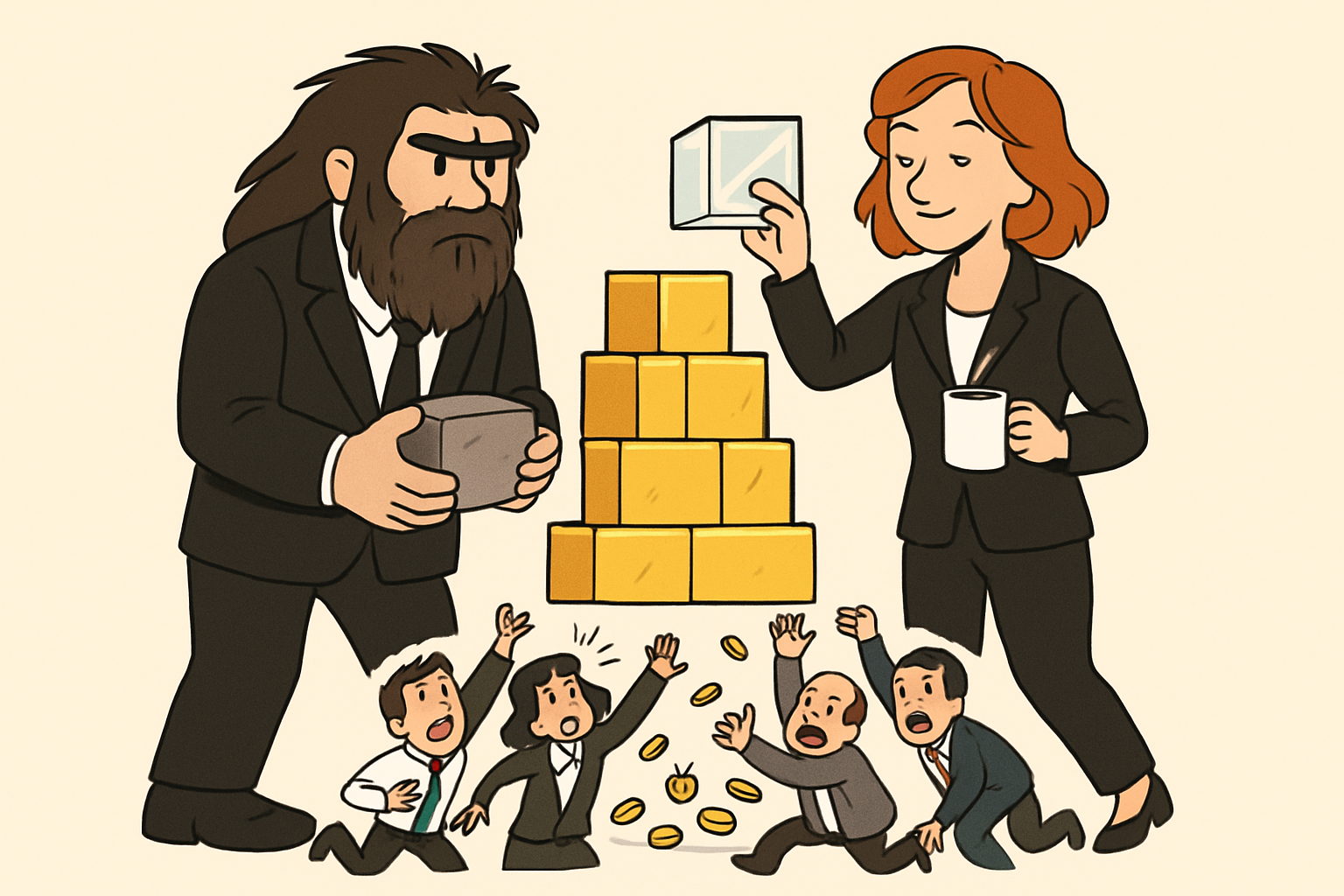
Sarah was asking “What should I do?” when the people building real wealth ask “What should I buy?”
The difference between these two questions is the difference between working for capital and owning capital. Between sending your paycheck to other people’s dreams and funding your own. Between trading time for money forever and buying time freedom.
I Asked The Wrong Question For Years
Look, I get why Sarah was confused. I was too.
When I was 26, struggling to make rent on a $42,000 salary, every self-help book I picked up told me the same thing: work harder, learn more skills, network better, optimize my morning routine. Classic “what should I do” thinking.
So I did it all. I got up at 5 AM to read business books before work. I took online courses at night. I went to networking events where everyone handed out business cards and talked about “hustling.” For two years, I asked myself what I should do differently.
My bank account barely budged.
Then I read a story that changed everything. Warren Buffett as a kid, selling used golf balls he’d fished out of water hazards near the local course. Twelve balls for six dollars. Pure hustle, right? Another “work harder” story.
Except that wasn’t the lesson.
The lesson came next: young Warren took that golf ball money and bought things. A pinball machine he rented to a barbershop. Shares in his father’s company. Later, farms and apartment buildings. He wasn’t asking “How can I work harder?” He was asking “What can I buy that people need?”
That’s when I realized I’d been thinking like an employee when I needed to think like a capital owner.
Why Your Brain Defaults To The Wrong Question
Here’s the thing most people never realize: we’re programmed from childhood to ask “What should I do?”
Your parents asked it. Your teachers asked it. Your guidance counselor asked it. “What do you want to do when you grow up?” Never “What do you want to own?”
The entire educational system trains you to think in terms of jobs, not assets. Skills to develop, not demand to capture. Work to perform, not systems to build.
So you graduate thinking wealth comes from working harder, getting promoted, or switching to a higher-paying job. All “what should I do” solutions.
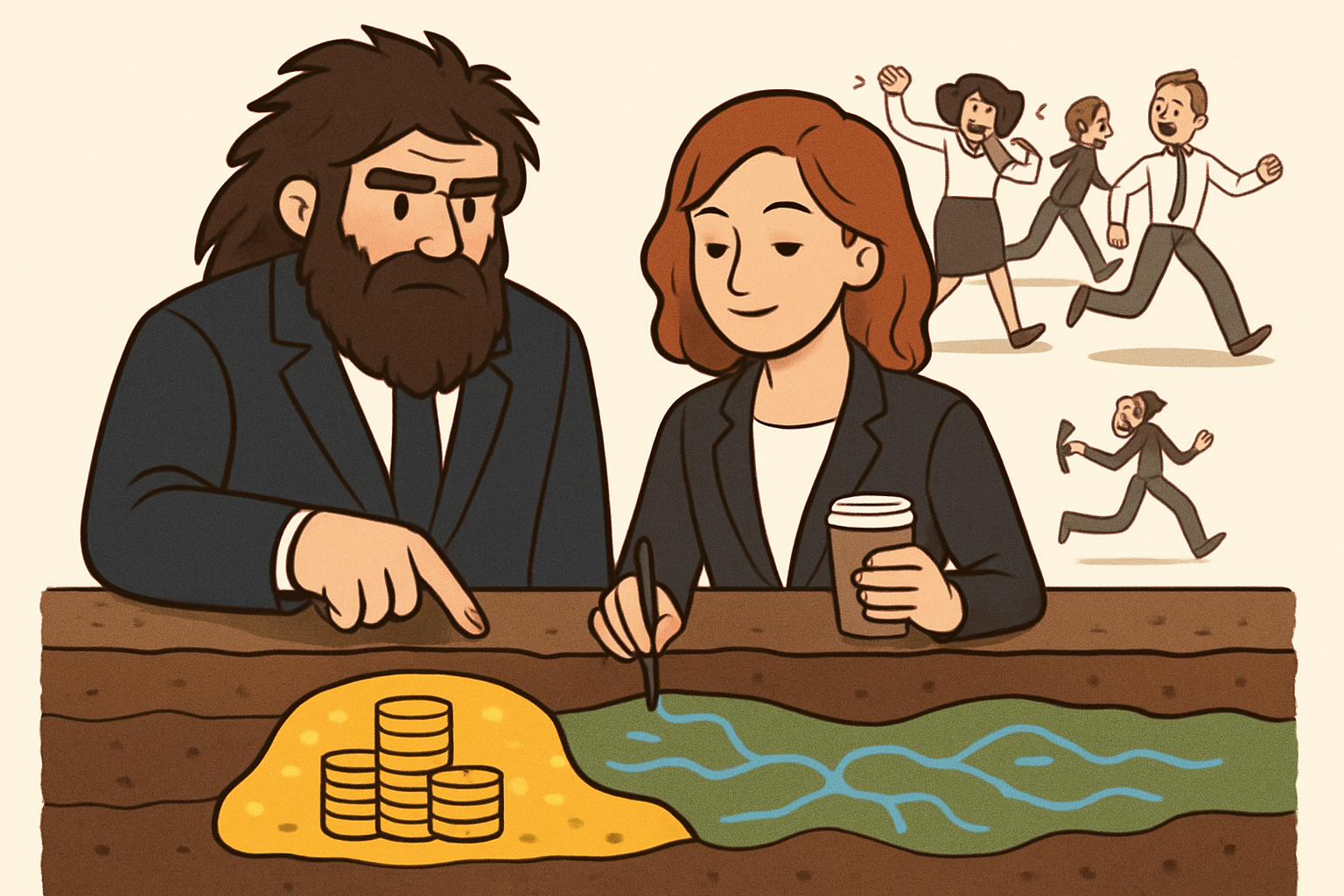
Meanwhile, the people actually building wealth ask different questions: What assets are people sending money to every month? What systems can I buy into? Where is demand flowing, and how can I own a piece of it?
The Laundromat Test
Want to see the difference in action? Let’s say you want to start a laundromat.
The “what should I do” person thinks: I’ll lease a space, buy machines, and run it myself. I’ll work 12-hour days, handle every customer, fix every breakdown. If I work hard enough, it’ll succeed.
They become a self-employed machine operator.
The “what should I buy” person thinks: What’s the highest-traffic location I can afford? Which machines have the best ROI? Can I buy an existing laundromat that’s already profitable? How quickly can I hire someone to run it so I’m not tied to the location?
They’re building a system that works without them.
Same business. Completely different approach. The first person bought themselves a job. The second person bought themselves an asset.
Guess who has time freedom at the end?
The Story That Finally Made It Click
There’s another story from that old book Buffett read as a kid — about a guy named Harry Larson who changed his life with one observation at a drugstore.
Harry was buying medicine when someone asked about his weight. He looked around, spotted a coin-operated scale, dropped in a penny, and weighed himself. Then he watched seven more people use that same scale in ten minutes.
So he asked the store owner about it.
The owner explained he rented the scale and kept 75% of the revenue — about $20 per month. Harry walked to the bank, withdrew $175, and bought three scales. Within weeks, he was earning $98 monthly from machines that worked while he slept.
But here’s the part that got Buffett’s attention: “I eventually bought 70 machines, and the additional 67 were paid for entirely with coins from the first three.”
Harry wasn’t asking “How can I work harder to make $98 a month?” He was asking “What can I buy that will make $98 a month?” Then: “What can I buy with that $98?”
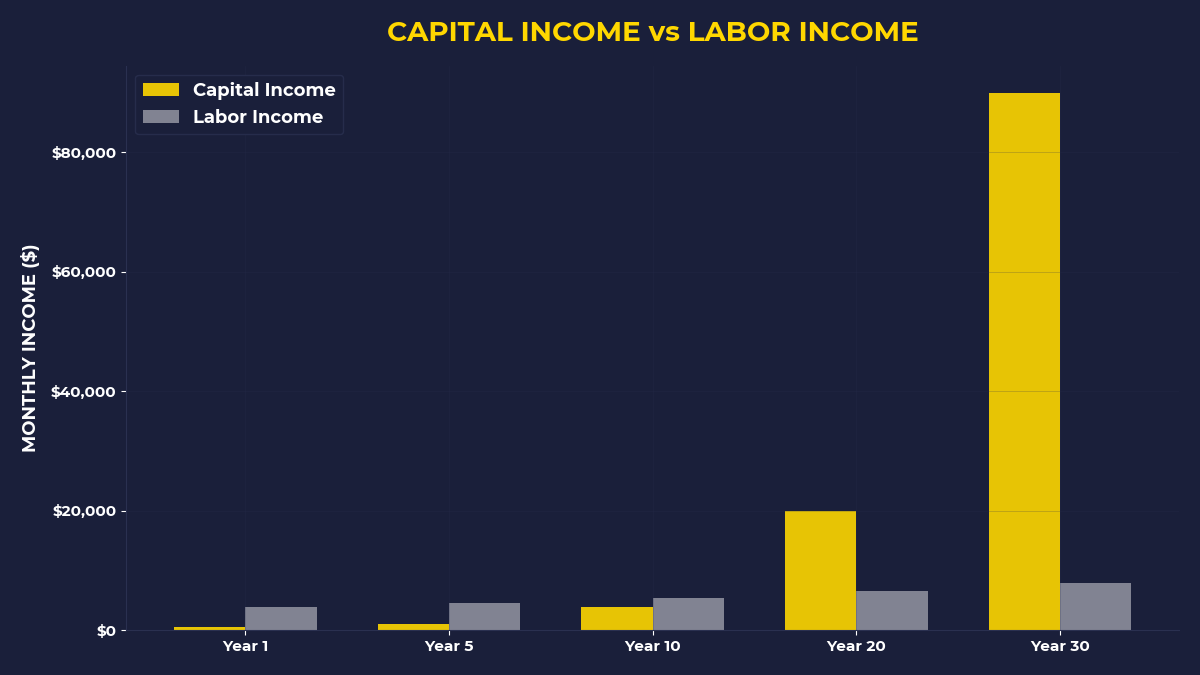
That’s compound capital growth. Buy assets that generate cash, use that cash to buy more assets, repeat until the assets work harder than you ever could.
Why This Feels Impossible When You’re Broke
I know what you’re thinking. “Easy for Warren Buffett to say. I can barely afford rent, let alone buying rental properties or laundromats.”
Fair point. When I first understood this concept, I had $847 in my checking account.
But here’s what I learned: you don’t need much money to start thinking like a capital owner. You just need to change the question.
Instead of “How can I make more money?” ask “What’s the smallest asset I can buy this month?” Instead of “What side hustle should I start?” ask “What can I buy that other people need regularly?”
For me, it started with buying individual shares of companies I understood. Netflix when I realized I was paying them $15 every month. Apple when I saw everyone carrying iPhones. Amazon when I noticed my neighbors’ porches covered in Prime boxes.
I wasn’t buying these stocks to trade them. I was buying tiny pieces of the systems that were already getting my money and everyone else’s money every single month.
Each share was asking: “Instead of just sending my money to this company, what if I owned part of it?”
The Real Power Of Asset Thinking
Here’s what happens when you shift from “what to do” to “what to buy”: you start seeing opportunities everywhere.
That coffee shop with a line around the block? Instead of thinking “I should open a coffee shop,” you think “I should buy shares in Starbucks.”
That app you can’t stop using? Instead of thinking “I should learn to code,” you think “I should own part of the company that built this.”
That monthly subscription that auto-renews from your checking account? Instead of thinking “I should cancel this,” you think “I should own the business model that makes this so profitable.”
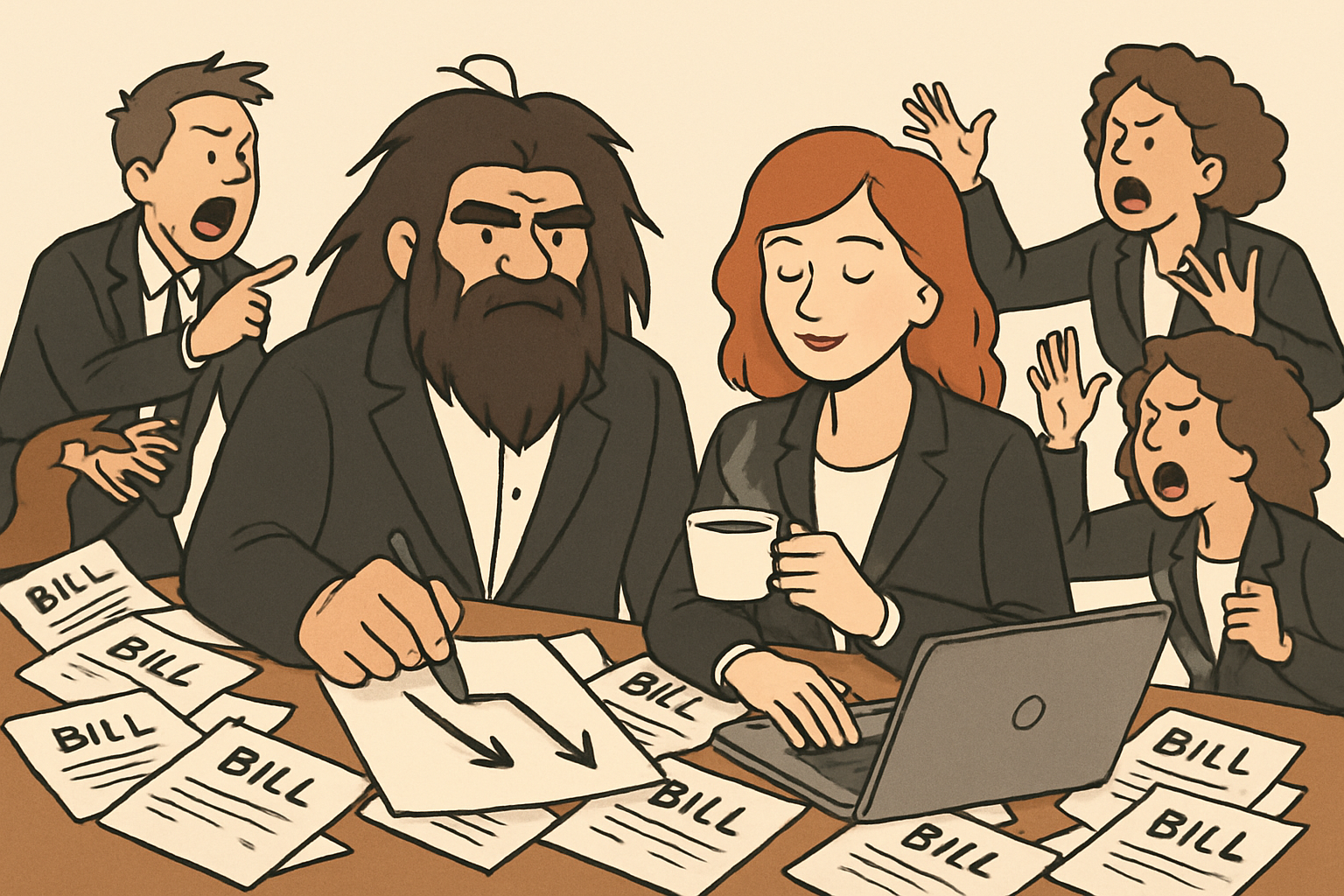
Every bill becomes a signal. Every purchase becomes market research. Every monthly payment becomes a clue about where to put your money next.
Are You Someone Who’s Ready To Switch Sides?
This isn’t for everyone. If you believe hard work alone builds wealth, if you think buying assets is “too risky,” if you’re more comfortable trading time for money forever, this probably isn’t your path.
But if you’re tired of working harder without getting ahead, if you’re curious about how money actually flows, if you want to stop sending your paycheck to everyone else’s dreams — then maybe it’s time to ask a different question.
The people building real wealth aren’t asking “How can I work more hours?” or “What certification should I get next?” They’re asking “What should I buy this month that people can’t stop paying for?”
The One Thing To Remember
Capital owners and everyone else ask fundamentally different questions about money. Employees ask what they should do. Owners ask what they should buy. This isn’t about having more money to start — it’s about thinking differently about the money you already have. When you change the question, you change where your money goes, and eventually, where money comes from.
Here’s what to do today:
• Look at your last three monthly bills and ask: “Could I own shares in these companies instead of just paying them?”
• Before you pay any bill this week, buy $25 worth of stock first — even if you have to scramble to cover expenses
• Write down one thing you could buy (not do) in the next 90 days that other people need regularly
🎬 Prefer watching? Check out the video version on YouTube: