Every successful person I know asks the wrong question first.
They sit in coffee shops with notebooks, planning what they should do to get ahead. Learn Python. Start a side hustle. Get an MBA. Wake up at 5 AM. Build their personal brand on LinkedIn.
Meanwhile, the people who actually build wealth are asking something completely different: What should I buy?
I used to be the first type. I spent three years reading productivity books and optimizing my morning routine while my net worth stayed flat. I tracked my time, joined networking events, and took online courses. I was busy, motivated, and going absolutely nowhere financially.
The shift happened when I realized something uncomfortable: I was thinking like an employee, not an owner.
Why Your Brain Defaults to Labor
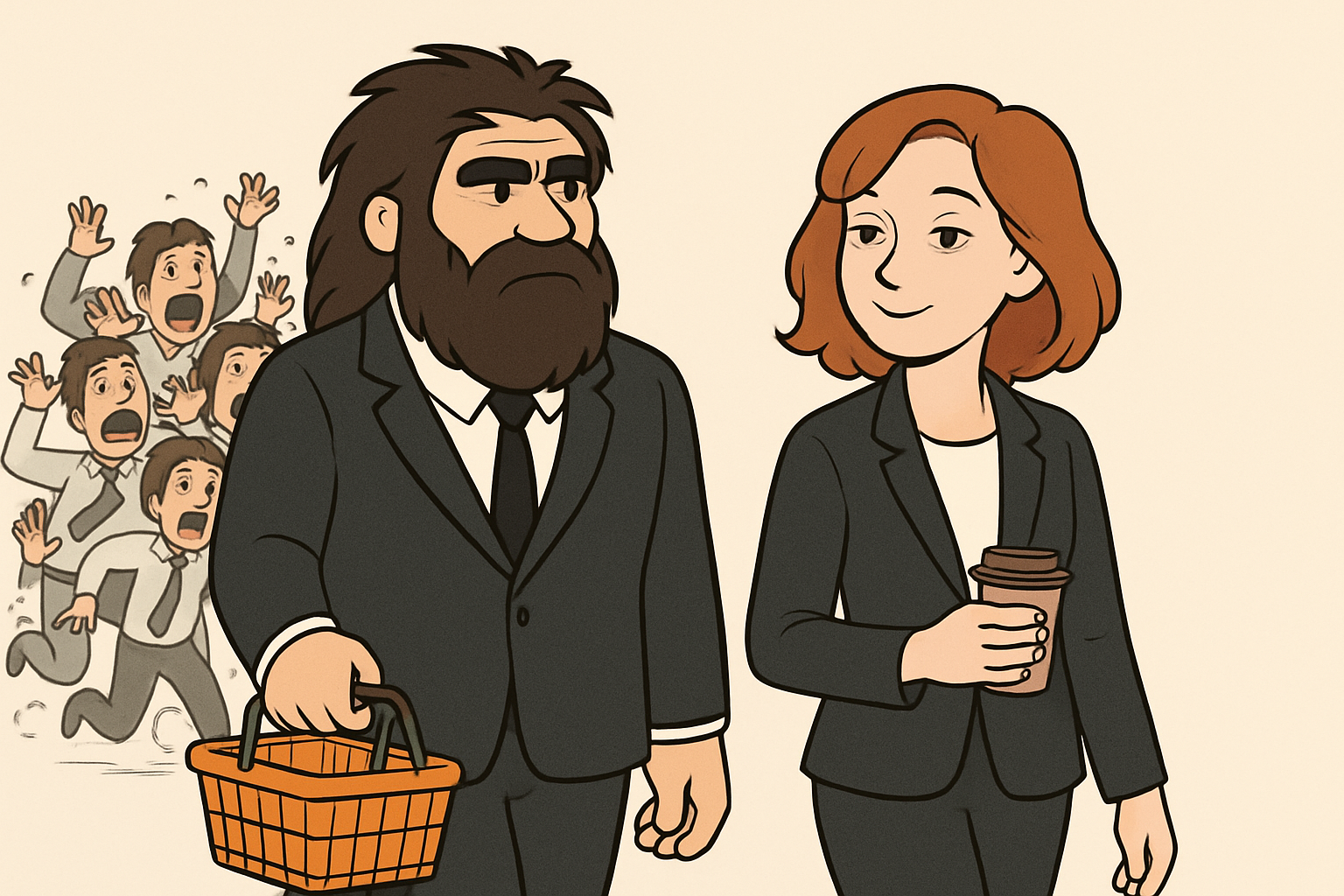
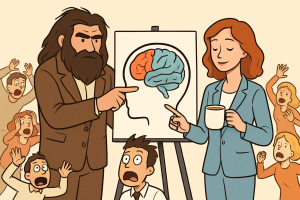
Your primitive brain is wired for immediate survival, not long-term wealth. When you need money, the ancient circuitry fires the same signal it used when you needed food: work harder, gather more, hustle faster.
This made sense when resources were scarce and labor directly translated to survival. Hunt more, gather more, live another day. But in a capital-driven economy, this instinct becomes a trap.
Walk into any bookstore. The business section is packed with books about what you should do. “10 Habits of Successful People.” “How to Crush Your Goals.” “The 4-Hour Workweek.” They’re selling you upgraded versions of the same primitive program: work smarter, optimize your effort, maximize your output.
Here’s what they don’t tell you: the wealthiest people I know aren’t the hardest workers.
They’re the best buyers.
The Buffett Lesson Nobody Talks About
When Warren Buffett was 11 years old, he found golf balls in the rough around Omaha country clubs and sold them for 50 cents per dozen. Classic entrepreneurship story, right? Kid works hard, makes money, learns business fundamentals.
But that’s not the lesson.
The lesson is what happened next. Buffett took that money and bought his first stock: three shares of Cities Service Preferred for $38 each. He wasn’t asking “How can I find more golf balls?” He was asking “What should I buy with this cash flow?”
By age 14, he used his paper route earnings to buy a 40-acre farm in Nebraska for $1,200. He rented it out to a farmer. Again: not “How can I deliver more papers?” but “What asset can I buy that will pay me?”
This is the contrarian investment mindset in action. While other kids were thinking about ways to work harder, Buffett was thinking about what to own.
The Scale Test That Changes Everything
Here’s a simple test that reveals whether you’re thinking like a worker or an owner:
If you made 10 times more money next month, would you know exactly what to buy?
Most people would list things they want to do. Travel. Take courses. Start a business. Hire help. Maybe invest some in “the market” — whatever that means.
But people who build real wealth have a shopping list. Specific stocks trading below intrinsic value. Real estate markets with positive cash flow potential. Businesses with defensible moats selling at reasonable prices. They’re not thinking about activities. They’re thinking about ownership.
I learned this the hard way in 2019 when I got a surprise bonus. My first instinct was to upgrade my life — better apartment, nicer car, a vacation I “deserved.” Classic consumption thinking disguised as reward.
Instead, I forced myself to sit with the money for 30 days and ask: “What should I buy that will pay me back?” I ended up putting 80% into index funds and using the rest to buy equipment for a side project that still generates cash flow today.
That one question shift changed my entire relationship with money.
Why Assets Beat Effort Every Time
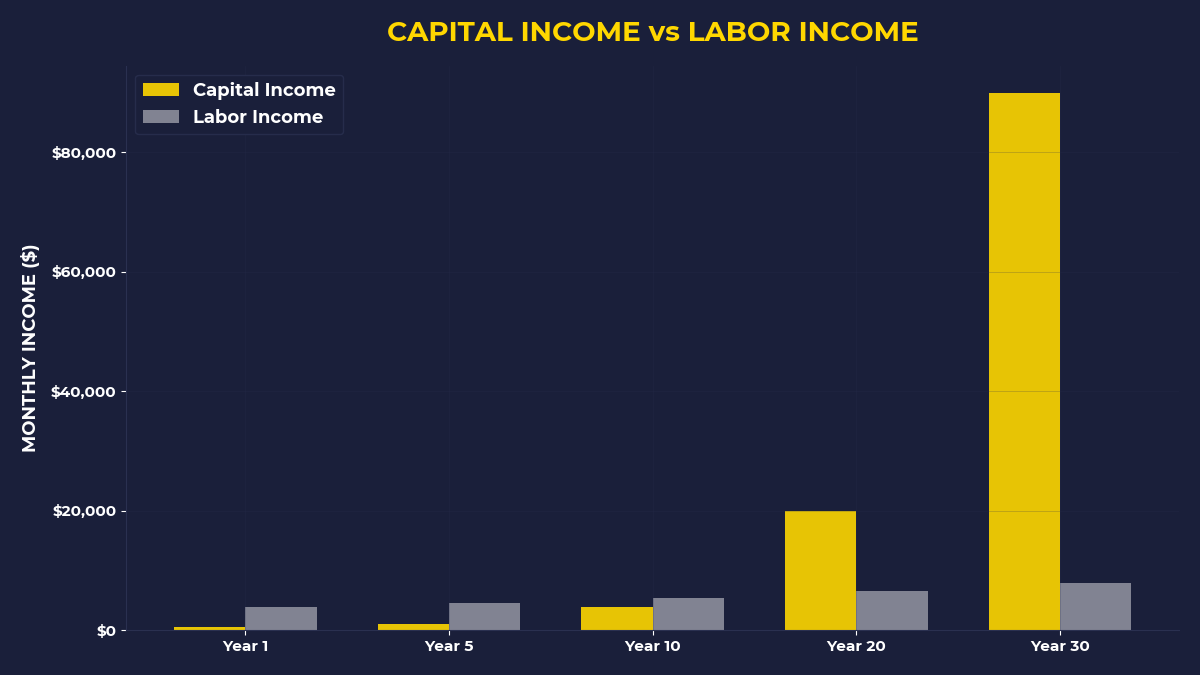
Between 1957 and 2021, the S&P 500 returned an average of 10.5% annually. A single dollar invested in 1957 would be worth over $1,800 today — without any additional effort, skill, or time investment after the initial purchase.
Meanwhile, real wages for American workers increased just 17.5% over the past 40 years when adjusted for inflation. That’s 0.4% annually. All that optimization, all those productivity hacks, all that career advice — and the average worker’s purchasing power barely moved.
The math is brutal and clear. Assets compound. Labor just adds up.
This isn’t about being lazy or avoiding work. It’s about directing your labor toward acquiring assets instead of just optimizing the labor itself. The question isn’t whether you should work hard — it’s what you should buy with the fruits of that work.
What Rich People Actually Buy
When you start asking “What should I buy?” instead of “What should I do?”, your entire decision-making framework changes.
You stop seeing expenses as just money going out. You start seeing them as potential ownership opportunities. That monthly rent check isn’t just housing cost — it’s insight into real estate cash flows. Those subscription services aren’t just convenience — they’re examples of recurring revenue models you might want to own pieces of.
You begin to notice what successful people actually purchase:
They buy cash-flowing assets before they buy comforts. Index funds before nice cars. Dividend stocks before expensive vacations. Business equity before luxury goods.
They buy time leverage. Systems that work without their constant presence. Other people’s labor applied to their capital.
They buy market exposure during downturns. When everyone else is asking “What should I do about this crash?”, they’re asking “What should I buy while it’s cheap?”
Most importantly, they buy learning that compounds. Not just skills that make them better employees, but knowledge that makes them better asset allocators.
The Compound Interest of Ownership
Here’s the part that most people miss: buying the right assets isn’t just about the returns. It’s about the psychological shift.
When you own productive assets, you start thinking like an owner. You begin to understand how businesses work, how markets function, how value gets created and transferred. This understanding makes you better at spotting the next thing to buy.
When you’re just optimizing your labor, you stay trapped in employee thinking. You get better at your job, but you don’t get better at building wealth.
I have a friend who spent five years learning coding, design, and marketing to build the perfect freelance business. He’s skilled, busy, and makes decent money. But every month he starts from zero because his income depends entirely on his effort.
Another friend spent those same five years buying small amounts of boring index funds and a few individual stocks. His portfolio now generates more passive income than the first friend makes actively working 50-hour weeks.
Same timeframe. Same intelligence. Different question.
The One Shift That Changes Your Life
The next time you get a bonus, tax refund, or any unexpected money, resist the urge to immediately spend it or “invest it wisely” in some generic way.
Instead, sit with this question: “What should I buy that will pay me back?”
Not what should you do with the money. What should you buy.
This simple reframe forces you to think like a capital allocator instead of a consumer. It pushes you to research, understand value, and make ownership decisions rather than just spending decisions.
Start small. Buy one share of a company you understand. Buy a boring S&P 500 index fund. Buy a book about investing instead of a book about productivity. The amount doesn’t matter. The thinking pattern does.
Because once you start asking the right question, you’ll never go back to asking the wrong one.
What The Primal Investor Takes Away
• Stop optimizing your labor and start optimizing your ownership. Assets compound; effort just accumulates.
• Before making any financial decision, ask: “What should I buy?” instead of “What should I do?”
• Rich people aren’t better workers — they’re better buyers. They purchase cash flow, time leverage, and market exposure.
• The S&P 500 has averaged 10.5% annually since 1957 while wages grew 0.4% annually. The math favors ownership.
• Every expense is insight into a potential investment. Your bills reveal other people’s cash flows.
• Start with any amount, any asset. The psychological shift from consumer to owner matters more than the initial size.
The people building real wealth aren’t asking how to work harder. They’re asking what to own next.
🎬 Prefer watching? Check out the video version on YouTube: